
Aasia ajalugu
Aasia ajalugu pakub sügavat ülevaadet mitmekesistest kultuuridest, sündmustest ja isikutest, mis on kujundanud Aasia mandri arengut. Autorid, ajaloolased ja teadlased avavad laiemat konteksti, uurides ajaloo keerukust ning selle mõju tänapäeva ühiskondadele. See kategooria sobib huvilistele, kes soovivad mõista Aasia rikkaid traditsioone ja ajaloosündmuste väljakutseid.
 TOP
TOP
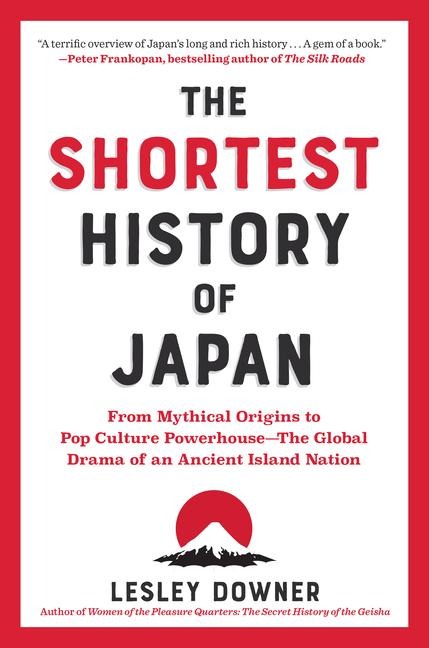
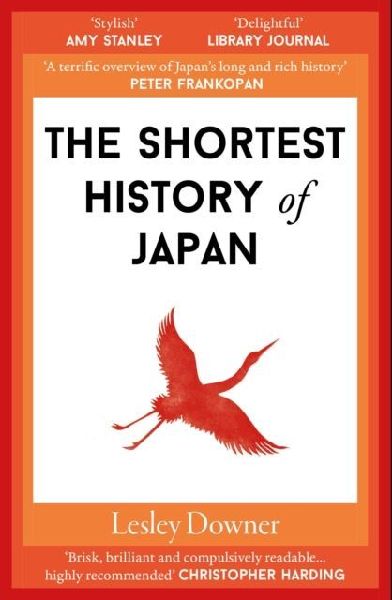
The Shortest History of Japan: From Mythical Origins to Pop Culture Powerhouse - The Global Drama of an Ancient Island Nation
-40% koodiga BOOKS
Meie tarnija laos
TOP
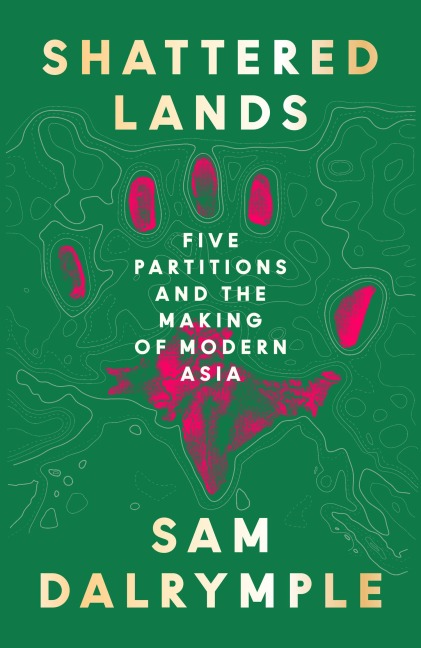
Shattered Lands: Five Partitions and the Making of Modern Asia
-40% koodiga BOOKS
Meie tarnija laos
TOP

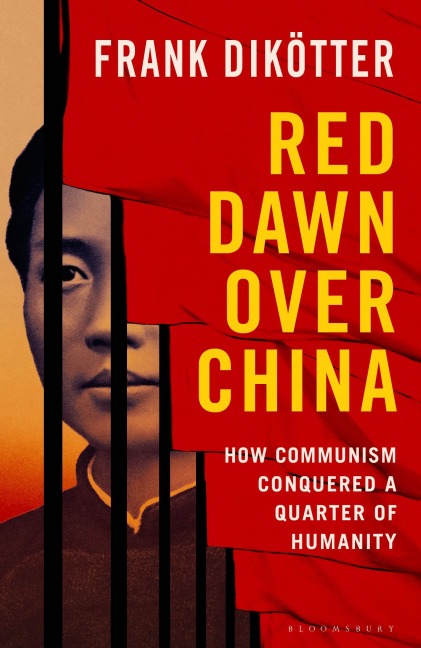
Red Dawn Over China: How Communism Conquered a Quarter of Humanity
-40% koodiga BOOKS
Meie tarnija laos
TOP
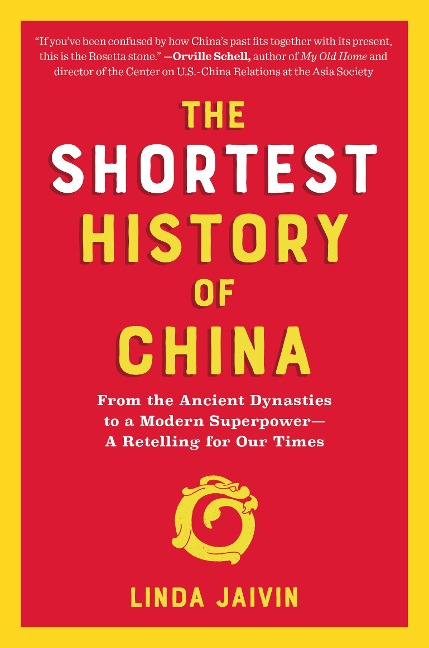
The Shortest History of China: From the Ancient Dynasties to a Modern Superpower - A Retelling for Our Times
-40% koodiga BOOKS
Meie tarnija laos
TOP

The Book of Yokai: Mysterious Creatures of Japanese Folklore
-40% koodiga BOOKS
Meie tarnija laos
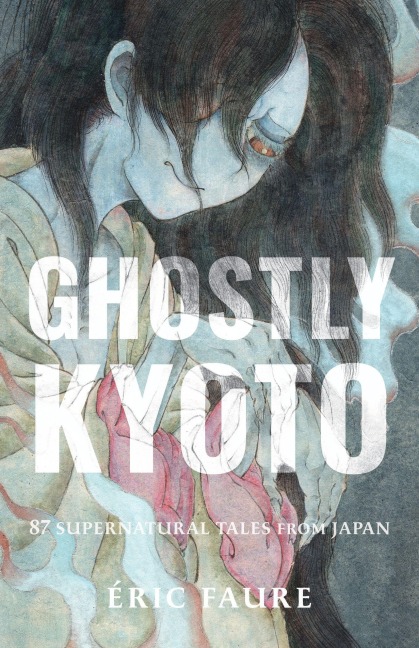
Ghostly Kyoto: 87 Supernatural Tales from Japan
-40% koodiga BOOKS
Meie tarnija laos


In the Garden of Beasts Love, Terror, and an American Family in Hitler's Berlin
-40% koodiga BOOKS
Meie tarnija laos
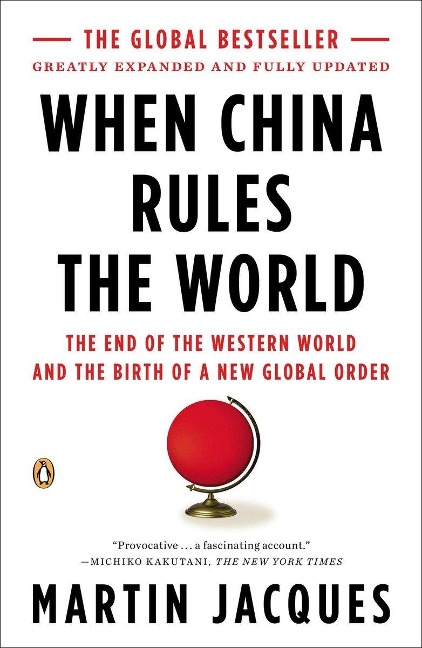
When China Rules the World: The End of the Western World and the Birth of a New Global Order
-40% koodiga BOOKS
Meie tarnija laos

Narratives and Comparisons Adversaries Or Allies in Understanding Science?
Martin Carrier, Rebecca Mertens, Carsten Reinhardt
-40% koodiga BOOKS
Meie tarnija laos
The Cambridge Illustrated History of China
-40% koodiga BOOKS
Meie tarnija laos
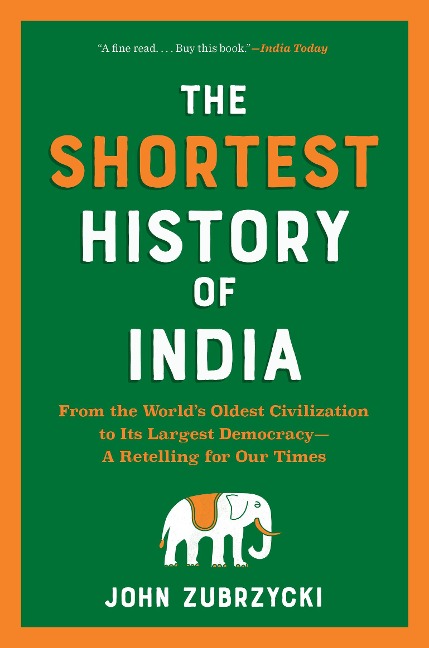
The Shortest History of India: From the World's Oldest Civilization to Its Largest Democracy - A Retelling for Our Times
-40% koodiga BOOKS
Meie tarnija laos

Strange Blood The Rise and Fall of Lamb Blood Transfusion in 19th Century Medicine and Beyond
-40% koodiga BOOKS
Meie tarnija laos

Fictions of Legibility The Human Face and Body in Modern German Novels from Sophie Von La Roche to Alfred Döblin
-40% koodiga BOOKS
Meie tarnija laos
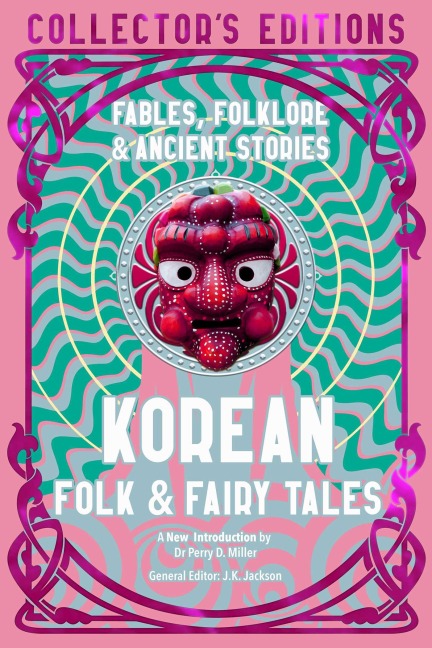
Korean Folk & Fairy Tales: Fables, Folklore & Ancient Stories
-40% koodiga BOOKS
Meie tarnija laos
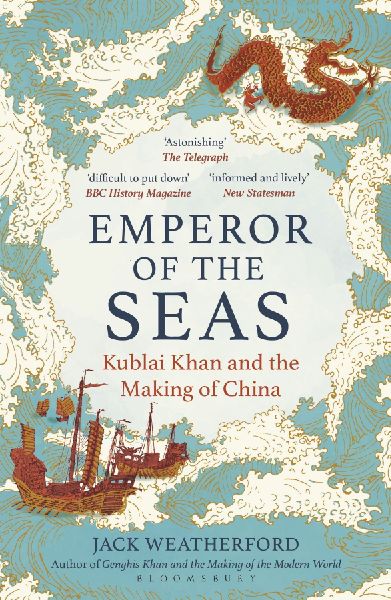
Emperor of the Seas: Kublai Khan and the Making of China
-40% koodiga BOOKS
Meie tarnija laos
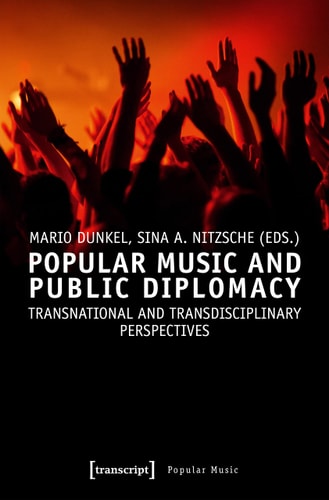
Popular Music and Public Diplomacy Transnational and Transdisciplinary Perspectives
Mario Dunkel, Sina A. Nitzsche
-40% koodiga BOOKS
Meie tarnija laos

European Regions Perspectives, Trends and Developments in the 21st Century
Elisabeth Donat, Sarah Meyer, Gabriele Abels
-40% koodiga BOOKS
Meie tarnija laos
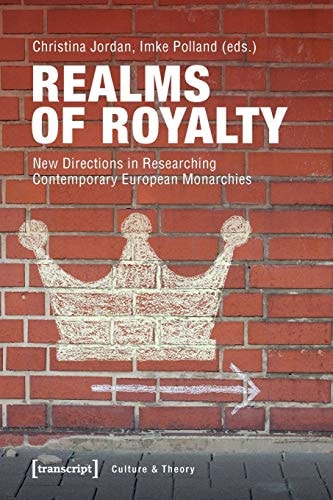
Realms of Royalty New Directions in Researching Contemporary European Monarchies
Christina Jordan, Imke Polland
-40% koodiga BOOKS
Meie tarnija laos
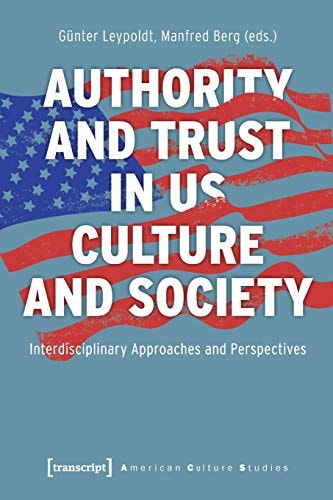
Authority and Trust in US Culture and Society Interdisciplinary Approaches and Perspectives
-40% koodiga BOOKS
Meie tarnija laos
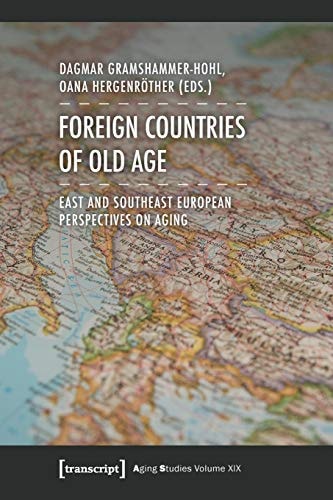
Foreign Countries of Old Age East and Southeast European Perspectives on Aging
Dagmar Gramshammer-Hohl, Oana Ursulesku
-40% koodiga BOOKS
Meie tarnija laos
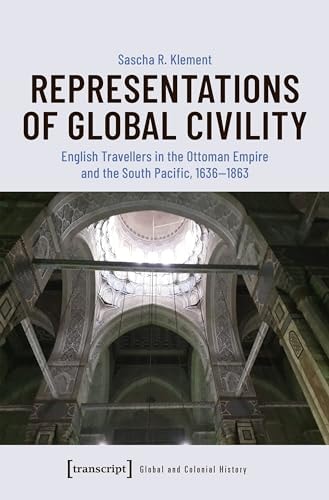
Representations of Global Civility English Travellers in the Ottoman Empire and the South Pacific, 1636-1863
-40% koodiga BOOKS
Meie tarnija laos
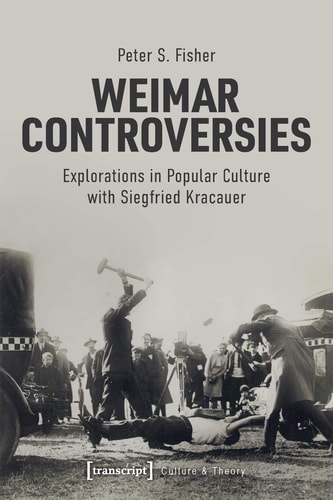
Weimar Controversies Explorations in Popular Culture with Siegfried Kracauer
-40% koodiga BOOKS
Meie tarnija laos


Shén Nóng B¿nc¿o J¿ng: The Divine Farmer's Classic of Materia Medica 3rd Edition
-40% koodiga BOOKS
Meie tarnija laos
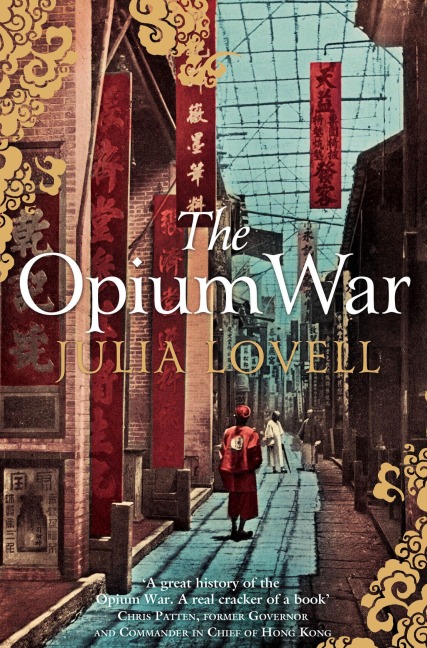
The Opium War: Drugs, Dreams and the Making of China
-40% koodiga BOOKS
Meie tarnija laos
Kategooria "Aasia ajalugu"
Asian history offers a profound exploration of the diverse and rich tapestry of cultures, societies, and events that have shaped this vast continent over thousands of years. From ancient civilizations like the Indus Valley and imperial China to modern-day developments, this category encompasses a wide range of topics that appeal to history enthusiasts, scholars, and curious readers alike.
The significance of studying Asian history lies in its ability to provide insights into the interconnectedness of global cultures. By understanding the past, readers can appreciate the intricate influences that have shaped national identities and geopolitical landscapes in today’s world. This category serves as a vital resource for those interested in unraveling the complexities of historical narratives that are often overlooked in mainstream discourse.
Within the realm of Asian history, one can find an assortment of themes that illuminate various aspects of life, politics, trade, and cultural exchanges. Engaging with these texts not only enhances knowledge but also fosters a deeper understanding of contemporary issues that are rooted in historical contexts. This exploration can lead to greater empathy and awareness of different perspectives that have evolved over centuries.
Readers will encounter works by renowned historians and passionate authors who delve into topics such as ancient philosophies, the Silk Road, colonial encounters, and the impact of wars on regional development. The contributions of these scholars and publishers play a crucial role in maintaining the integrity of historical discourse and ensuring that important narratives are preserved for future generations.
In a world increasingly defined by globalization, the study of Asian history is more relevant than ever. It invites readers to embark on a journey through time, exploring the legacies, triumphs, and challenges of one of the most vibrant and dynamic areas of the planet. Such knowledge enriches our global understanding and appreciation of diversity, making it a truly invaluable pursuit.