
Keeleteadus
Keeleteadusse sukelduv maailm avab uksi erinevatele keeleline põhimõtetele ja kultuurilistele nüanssidele. Selles kategoorias on teosed, mis rahuldavad nii akadeemiliste uurijate kui ka keelehuviliste vajadusi. Laulevad teadusartiklid, ajaloolised analüüsid ja sotsiaalkeele uuringud koosnevad raamatud, mis aitavad süvitsi minna keele mõistmise ja kasutamise keerukustesse.
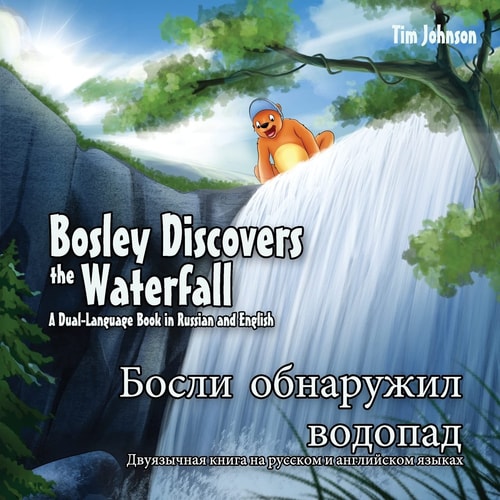
Босли Обнаужил Водопад Двуязычная Книга На Русском И Английском Языках
-40% koodiga BOOKS
Laos
 TOP
TOP
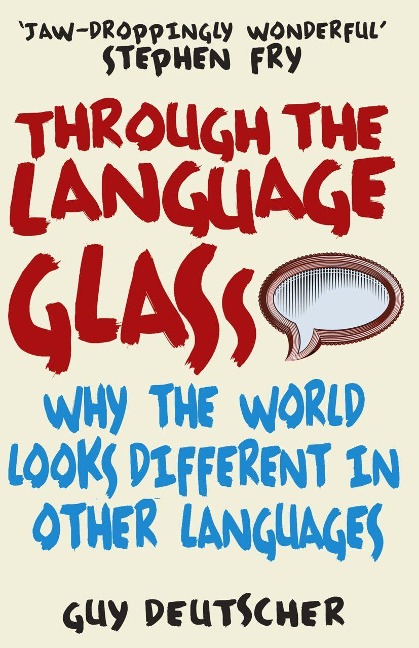
Through the Language Glass: Why the World Looks Different in Other Languages
-40% koodiga BOOKS
Meie tarnija laos

 TOP
TOP

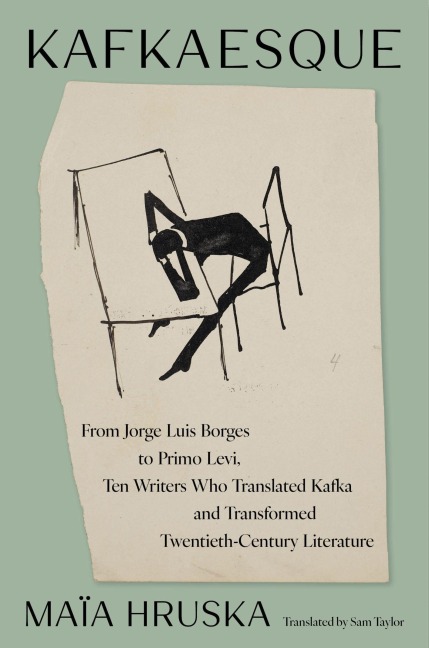
Kafkaesque: From Jorge Luis Borges to Primo Levi, Ten Writers Who Translated Kafka and Transformed Twentieth-Century Literature
-40% koodiga BOOKS
Meie tarnija laos
TOP

LSP Trends in the 2020s
Joanna Kic-Drgas, Olivia Chirobocea-Tudor
-40% koodiga BOOKS
Meie tarnija laos
TOP

PONS Power-Vokabelbox Englisch in 4 Wochen für Fortgeschrittene: Schnell und einfach Vokabeln lernen mit 800 Karten inklusive App
-40% koodiga BOOKS
Meie tarnija laos
 TOP
TOP

The Power of Language: How the Codes We Use to Think, Speak, and Live Transform Our Minds
-40% koodiga BOOKS
Meie tarnija laos
TOP
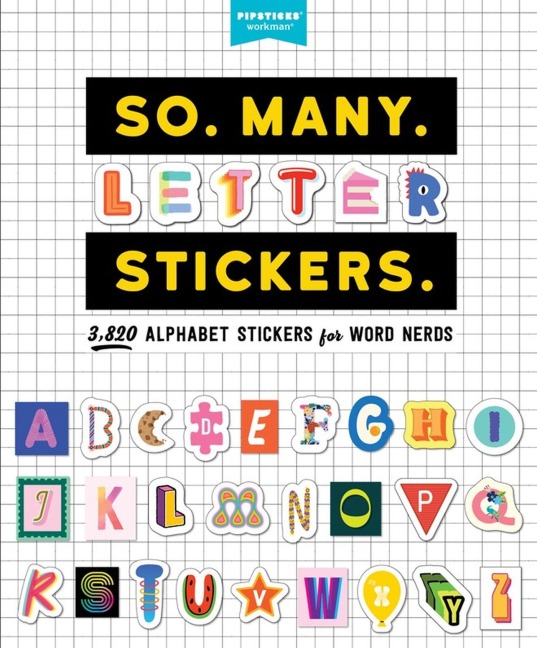
So. Many. Letter Stickers.: 3,820 Alphabet Stickers for Word Nerds
-40% koodiga BOOKS
Meie tarnija laos
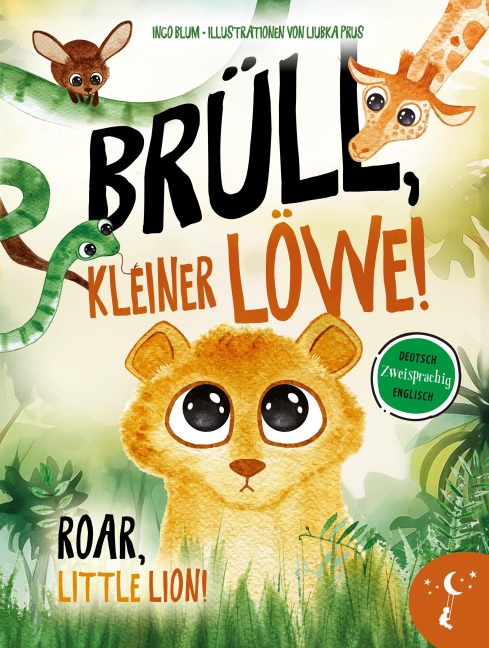
Brüll, kleiner Löwe - Roar, Little Lion: Zweisprachig in Deutsch und Englisch über Identität und Selbstvertrauen
-40% koodiga BOOKS
Meie tarnija laos
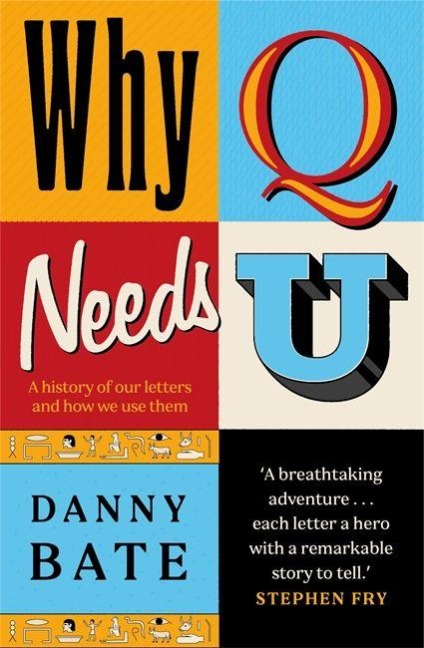
Why Q Needs U: A history of our letters and how we use them
-40% koodiga BOOKS
Meie tarnija laos
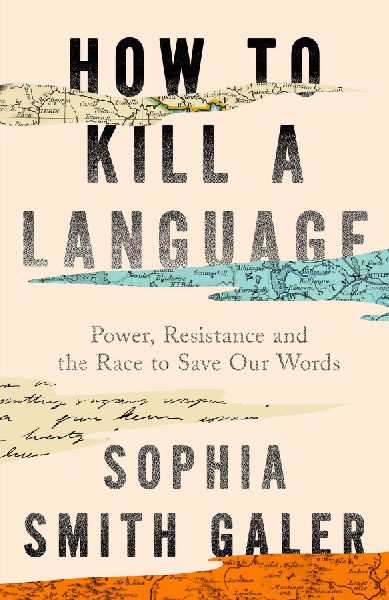
How to Kill a Language: Power, Resistance and the Race to Save Our Words
-40% koodiga BOOKS
Meie tarnija laos

Elementary Hindi: Learn to Communicate in Everyday Situations (Audio Included)
-40% koodiga BOOKS
Meie tarnija laos
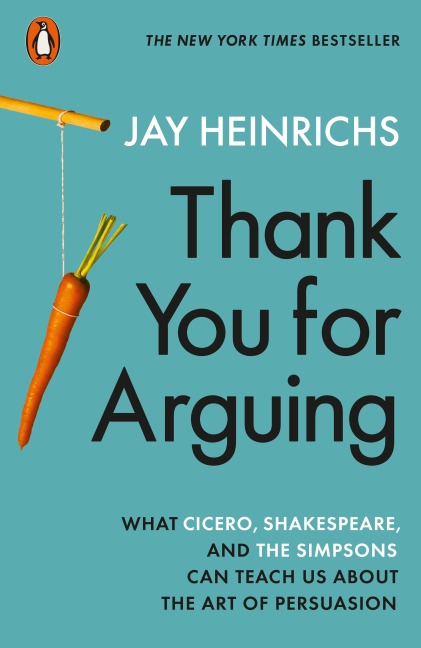
Thank You for Arguing: What Cicero, Shakespeare and the Simpsons Can Teach Us About the Art of Persuasion
-40% koodiga BOOKS
Meie tarnija laos


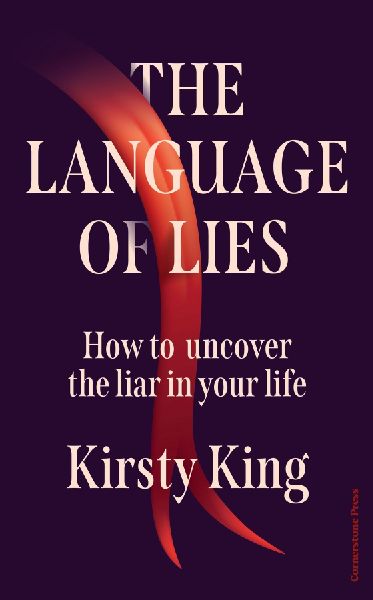
The Language of Lies: How to uncover the liar in your life
-40% koodiga BOOKS
Meie tarnija laos

Shady Characters: The Secret Life of Punctuation, Symbols, and Other Typographical Marks
-40% koodiga BOOKS
Meie tarnija laos
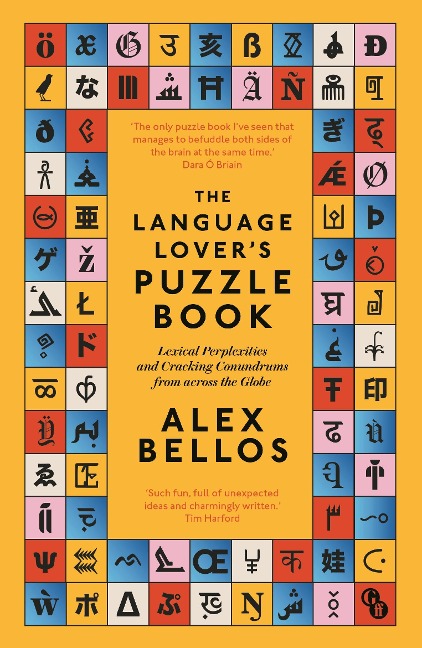
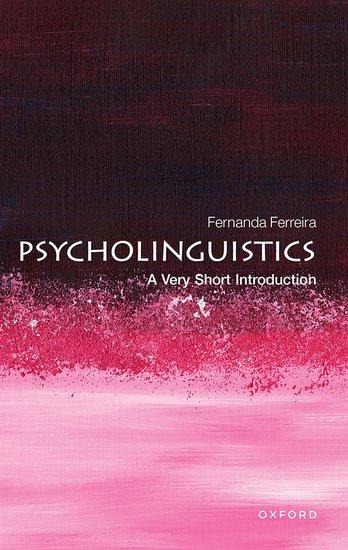
Psycholinguistics: A Very Short Introduction
-40% koodiga BOOKS
Meie tarnija laos

Der Bär hat heute Lust zu feiern - Today, The Bear Wants to Party: Bilderbuch in Deutsch und Englisch über kleine Lügen und große Auswirkungen
-40% koodiga BOOKS
Meie tarnija laos
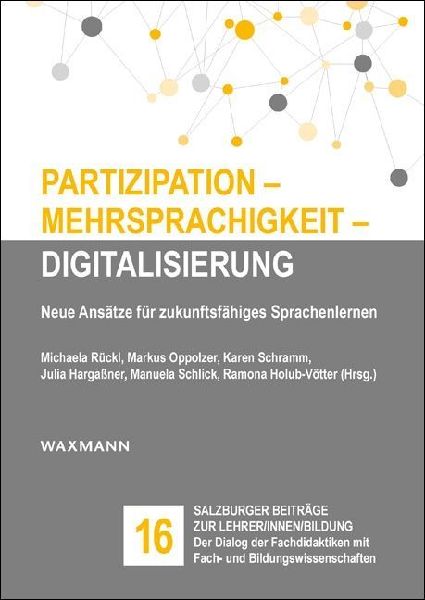
Partizipation - Mehrsprachigkeit - Digitalisierung: Neue Ansätze für zukunftsfähiges Sprachenlernen
-40% koodiga BOOKS
Meie tarnija laos

Gebärdensprache - Ziffern und Zahlen: Zahlen, Ziffern und Bildungsregeln in der Deutschen Gebärdensprache (mit deutscher und englischer Übersetzung)
-40% koodiga BOOKS
Meie tarnija laos
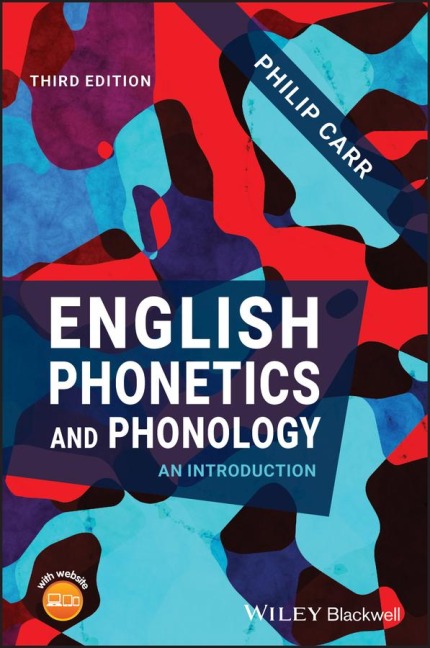
English Phonetics and Phonology: An Introduction
-40% koodiga BOOKS
Meie tarnija laos
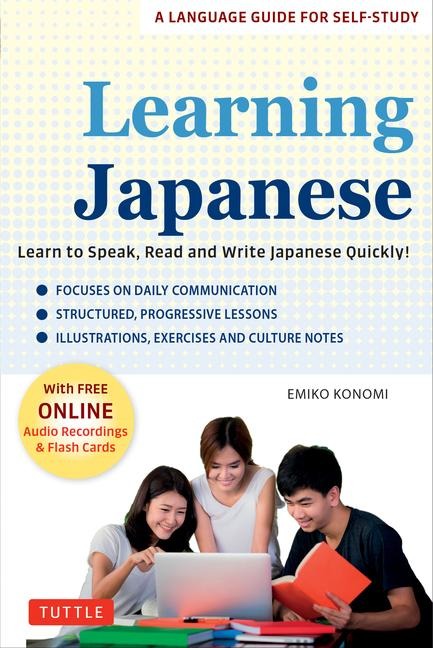
Learning Japanese: Learn to Speak, Read and Write Japanese Quickly! (Free Online Audio Recordings & Printable Flash Cards)
-40% koodiga BOOKS
Lõppenud
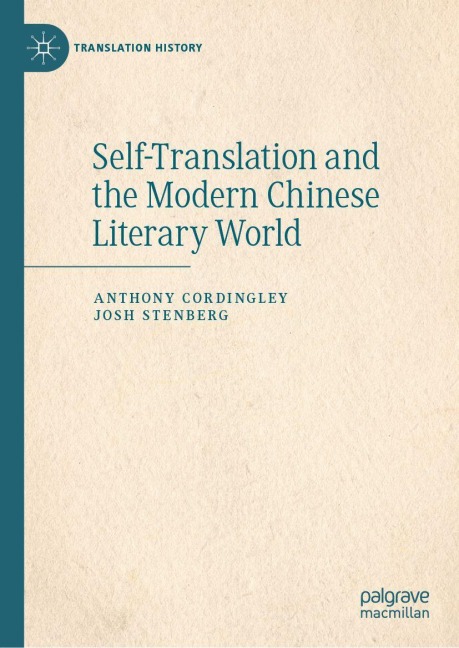
Self-Translation and the Modern Chinese Literary World
Josh Stenberg, Anthony Cordingley
-40% koodiga BOOKS
Meie tarnija laos
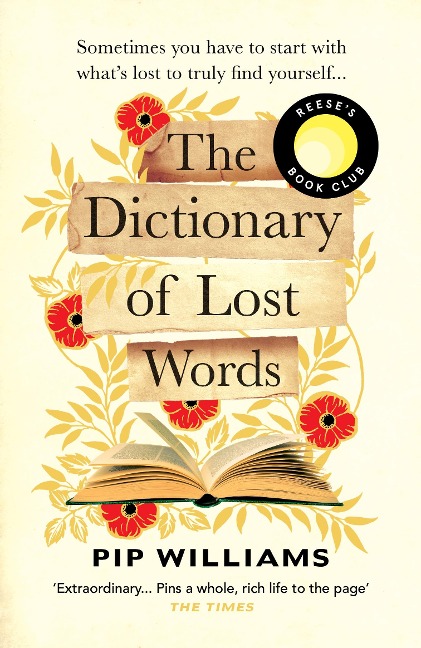
The Dictionary of Lost Words: A REESE WITHERSPOON BOOK CLUB PICK
-40% koodiga BOOKS
Meie tarnija laos
Kategooria "Keeleteadus"
Linguistics is a fascinating branch of study that delves into the intricate structure, development, and use of language. It appeals to a wide array of readers, from students and educators to professionals in various fields such as communication, psychology, and artificial intelligence. This discipline not only covers the essential rules and patterns governing languages but also explores the profound impact language has on society and individual cognition.
Historically, linguistics has evolved significantly, originating from the philosophical inquiries into language and its meaning. As theories developed, new subfields emerged, enriching our understanding of how languages function and influence human interaction. The philosophy of language provides critical insights into meaning and reference, while sociolinguistics examines language's role within social contexts, illuminating how dialects and language use can signify identity and culture.
For those intrigued by the cognitive aspects of language, psycholinguistics and cognitive linguistics reveal how our brains process and acquire language, highlighting the complex interplay between language and thought. Historical and comparative linguistics allows readers to trace the evolution of languages over time, enriching their understanding of language families and the roots of modern dialects.
Further exploration into semantics, discourse analysis, and stylistics enables readers to appreciate how meaning is constructed in different contexts, while phonetics, phonology, grammar, syntax, and morphology provide foundational knowledge about the sounds and structures that make language comprehensible and expressive. For scholars keen on textual analysis, palaeography and lexicography uncover the art of studying and compiling texts and dictionaries, respectively.
Philology, a discipline closely aligned with linguistics, focuses on the historical aspects of language and literature, and has contributed significantly to our understanding of cultural heritage. In an increasingly interconnected world, the importance of translation and language interpretation becomes evident, as it bridges linguistic divides. Moreover, computational and corpus linguistics are at the forefront of modern studies, employing technology to analyze vast amounts of textual data, while sign languages, Braille, and other forms of linguistic communication expand our appreciation for the diversity of human expression.
This expansive field encourages readers to engage deeply with the mechanics of language, unveiling the nuances that shape our daily interactions and cultural experiences. Whether it is through academic study or personal interest, the exploration of linguistics offers a wealth of knowledge that enriches both individual understanding and collective dialogue.