
Abductive Inference Models for Diagnostic Problem-Solving - James A. Reggia,Yun Peng

-40% koodiga BOOKS
Saadetis 17-23 tööpäeva jooksul
30-päevane tagastamisõigus
Making a diagnosis when something goes wrong with a natural or m- made system can be difficult. In many fields, such as medicine or electr- ics, a long training period and apprenticeship are required to become a skilled diagnostician. During this time a novice diagnostician is asked to assimilate a large amount of knowledge about the class of systems to be diagnosed. In contrast, the novice is not really ta ... Täielik kirjeldus
Võib-olla meeldib sulle ka
 TOP
TOP

Gödel, Escher, Bach: An Eternal Golden Braid
-40% koodiga BOOKS
Meie tarnija laos
TOP
Hackers. 25th Anniversary Edition: Heroes of the Computer Revolution
-40% koodiga BOOKS
Meie tarnija laos
TOP

The Web Application Hacker's Handbook: Discovering and Exploiting Security Flaws
-40% koodiga BOOKS
Meie tarnija laos
TOP
The Pragmatic Programmer: journey to mastery, 20th Anniversary Edition, 2/e: your journey to mastery, 20th Anniversary Edition
-40% koodiga BOOKS
Meie tarnija laos
TOP
Mathematics for Machine Learning
Cheng Soon Ong, A. Aldo Faisal, Marc Peter Deisenroth
-40% koodiga BOOKS
Meie tarnija laos
TOP
The Art of Game Design: A Book of Lenses
-40% koodiga BOOKS
Meie tarnija laos
TOP

How Linux Works: What Every Superuser Should Know
-40% koodiga BOOKS
Meie tarnija laos
TOP

Artificial Intelligence: A Modern Approach, Global Edition
-40% koodiga BOOKS
Meie tarnija laos
TOP

Linux Basics for Hackers, 2nd Edition: Getting Started with Networking, Scripting, and Security in Kali
-40% koodiga BOOKS
Meie tarnija laos
TOP
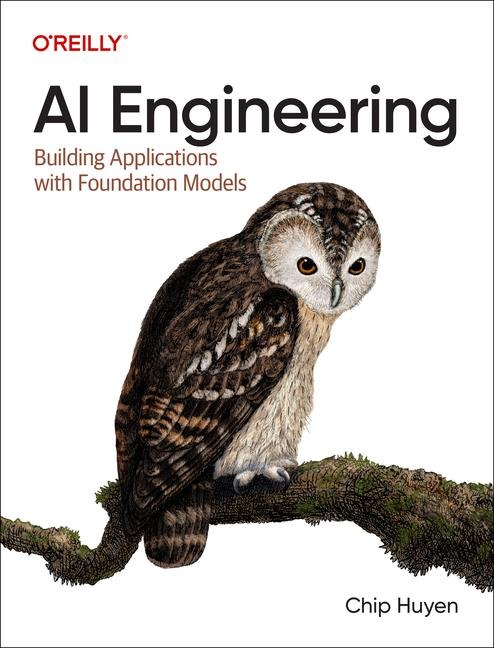
AI Engineering: Building Applications with Foundation Models
-40% koodiga BOOKS
Meie tarnija laos
TOP

Fundamentals of Software Architecture: A Modern Engineering Approach
-40% koodiga BOOKS
Meie tarnija laos
TOP
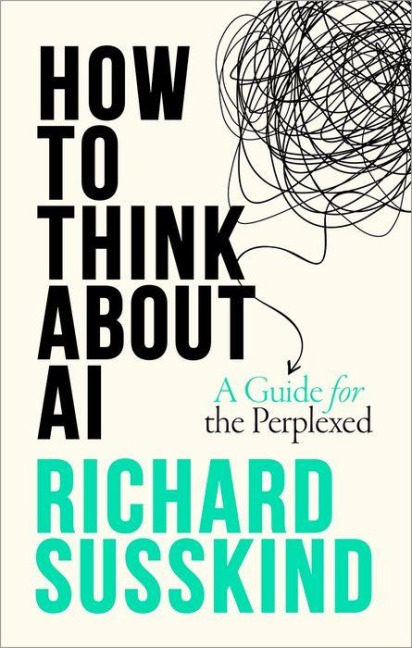
How To Think About AI: A Guide For The Perplexed
-40% koodiga BOOKS
Meie tarnija laos
 TOP
TOP
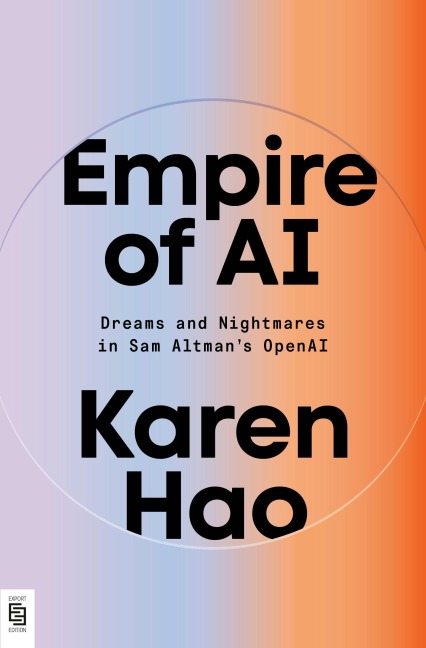
Empire of AI: Dreams and Nightmares in Sam Altman's OpenAI
-40% koodiga BOOKS
Meie tarnija laos
TOP
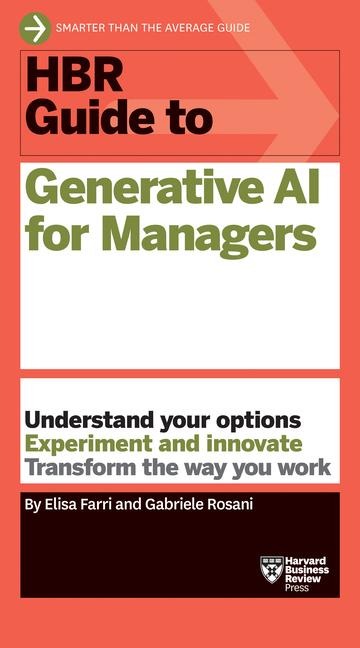
HBR Guide to Generative AI for Managers
-40% koodiga BOOKS
Meie tarnija laos
TOP
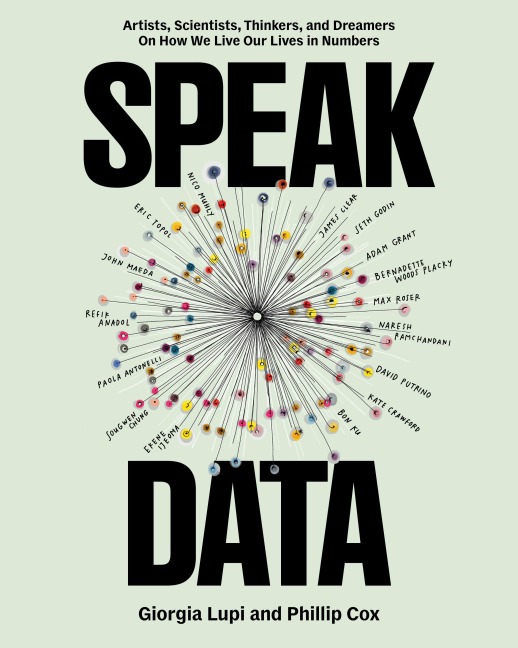
Speak Data: Artists, Scientists, Thinkers, and Dreamers on How We Live Our Lives in Numbers
-40% koodiga BOOKS
Meie tarnija laos
TOP

If Anyone Builds It, Everyone Dies: Why Superhuman AI Would Kill Us All
Eliezer Yudkowsky, Nate Soares
-40% koodiga BOOKS
Meie tarnija laos
TOP


The Rust Programming Language
Steve Klabnik, Carol Nichols, Chris Krycho
-40% koodiga BOOKS
Meie tarnija laos
TOP

AI for Good: How Real People Are Using Artificial Intelligence to Fix Things That Matter
-40% koodiga BOOKS
Lõppenud
Kirjeldus
Making a diagnosis when something goes wrong with a natural or m- made system can be difficult. In many fields, such as medicine or electr- ics, a long training period and apprenticeship are required to become a skilled diagnostician. During this time a novice diagnostician is asked to assimilate a large amount of knowledge about the class of systems to be diagnosed. In contrast, the novice is not really taught how to reason with this knowledge in arriving at a conclusion or a diagnosis, except perhaps implicitly through ease examples. This would seem to indicate that many of the essential aspects of diagnostic reasoning are a type of intuiti- based, common sense reasoning. More precisely, diagnostic reasoning can be classified as a type of inf- ence known as abductive reasoning or abduction. Abduction is defined to be a process of generating a plausible explanation for a given set of obs- vations or facts. Although mentioned in Aristotle's work, the study of f- mal aspects of abduction did not really start until about a century ago.
Lisateave
| Autor | James A. Reggia, Yun Peng |
|---|---|
| Kirjastaja | Springer US |
| Series | Artificial Intelligence |
| Väljalaskeaasta | 1990 |
| Kaanetüüp | Kõvakaaneline |
| EAN | 9780387973432 |