
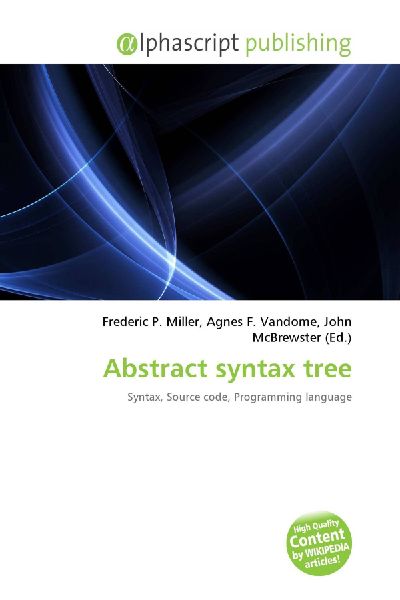
Abstract syntax tree: Syntax, Source code, Programming language -

-25% koodiga BOOKS
Saadetis 15-21 tööpäeva jooksul
30-päevane tagastamisõigus
Please note that the content of this book primarily consists of articles available from Wikipedia or other free sources online. In computer science, an abstract syntax tree (AST), or just syntax tree, is a tree representation of the abstract syntactic structure of source code written in a programming language. Each node of the tree denotes a construct occurring in the source code. The syntax is 'abstract' i ... Täielik kirjeldus
Võib-olla meeldib sulle ka
 TOP
TOP

Gödel, Escher, Bach: An Eternal Golden Braid
-25% koodiga BOOKS
Meie tarnija laos
TOP
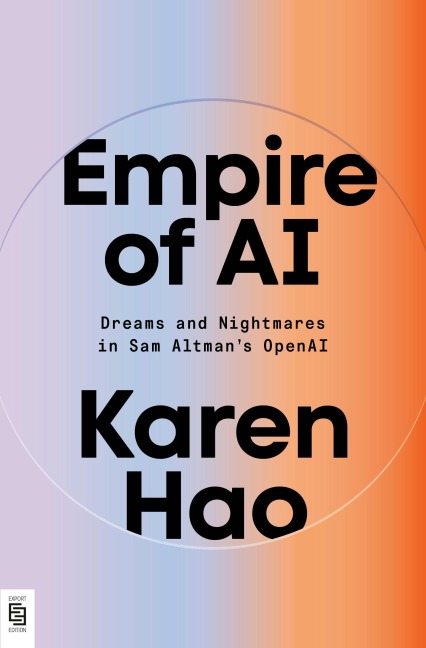
Empire of AI: Dreams and Nightmares in Sam Altmans OpenAI
-25% koodiga BOOKS
Meie tarnija laos
TOP

The Rust Programming Language
Steve Klabnik, Carol Nichols, Chris Krycho
-25% koodiga BOOKS
Meie tarnija laos
TOP
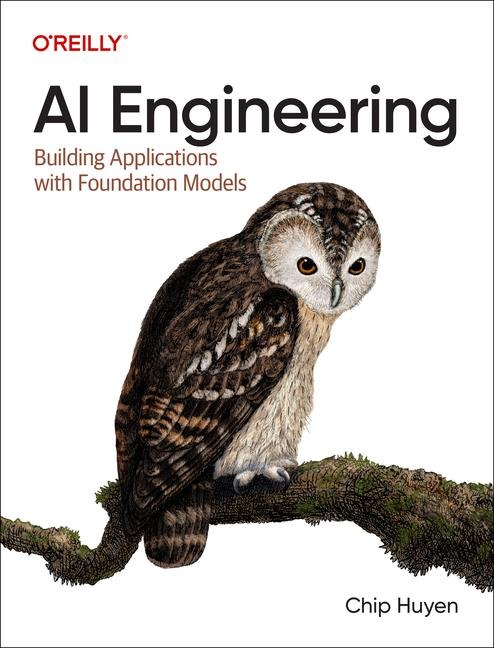
AI Engineering: Building Applications with Foundation Models
-25% koodiga BOOKS
Meie tarnija laos
TOP
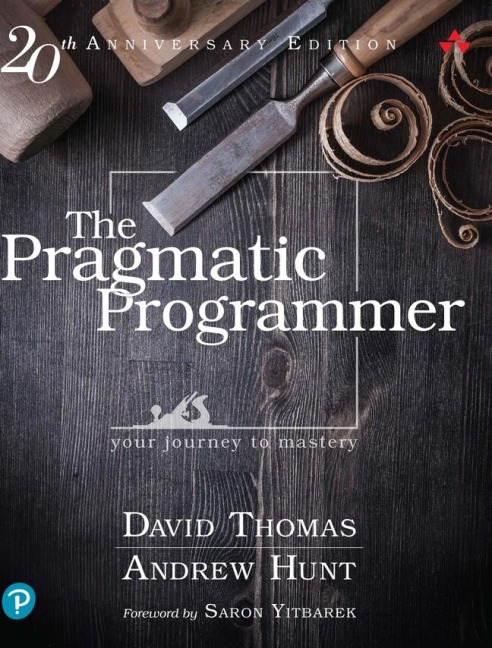
The Pragmatic Programmer: journey to mastery, 20th Anniversary Edition, 2/e: your journey to mastery, 20th Anniversary Edition
-25% koodiga BOOKS
Meie tarnija laos
TOP

How Linux Works: What Every Superuser Should Know
-25% koodiga BOOKS
Meie tarnija laos
TOP
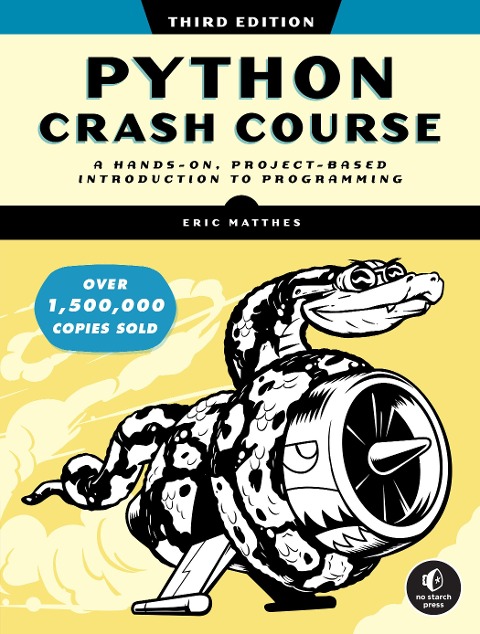
Python Crash Course: A Hands-On, Project-Based Introduction to Programming
-25% koodiga BOOKS
Meie tarnija laos
TOP
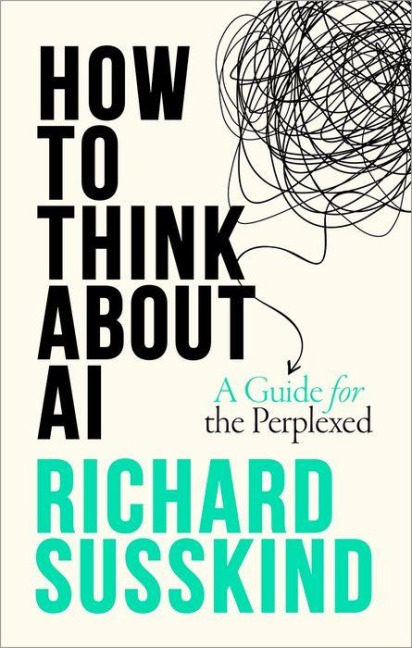
How To Think About AI: A Guide For The Perplexed
-25% koodiga BOOKS
Meie tarnija laos
TOP
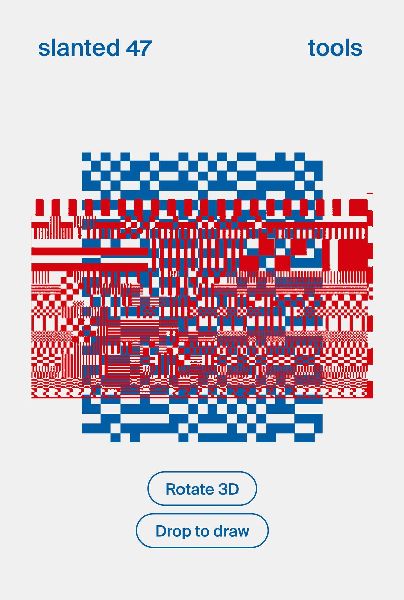
Slanted 47 Digital Tools: Slanted Magazine
-25% koodiga BOOKS
Meie tarnija laos
TOP

Proofs from THE BOOK
Martin Aigner, Günter M. Ziegler
-25% koodiga BOOKS
Meie tarnija laos
TOP
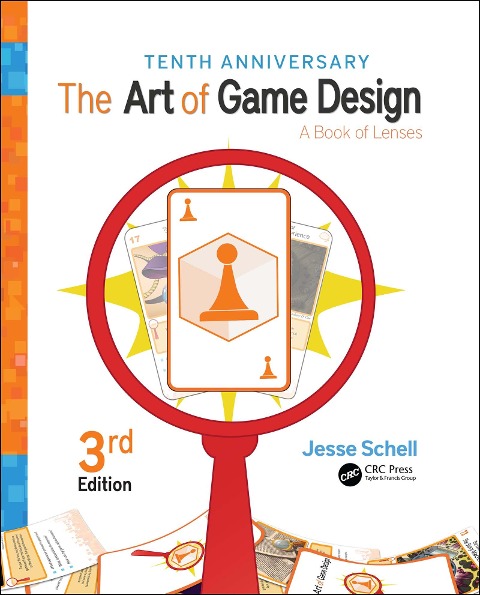
The Art of Game Design: A Book of Lenses
-25% koodiga BOOKS
Meie tarnija laos
TOP

CompTIA Security+ Certification Kit: Exam SY0-701
-25% koodiga BOOKS
Meie tarnija laos
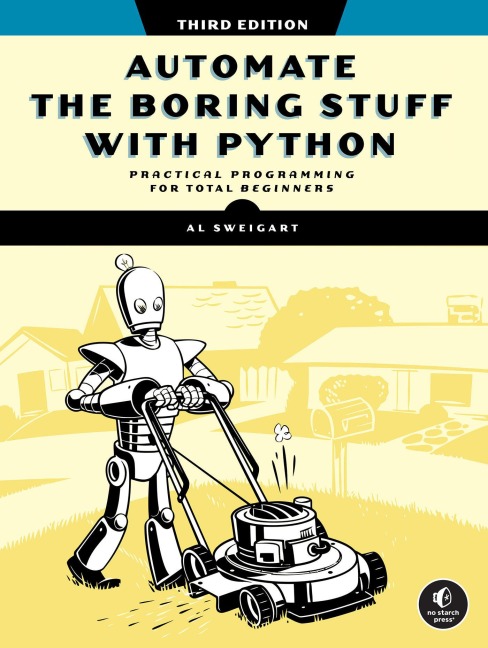 TOP
TOP
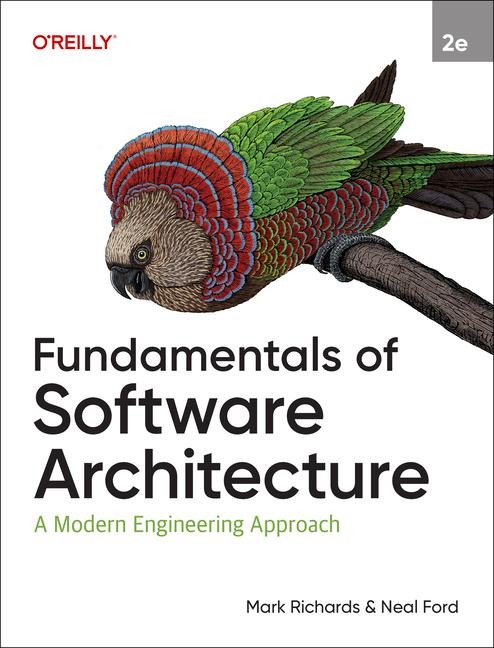
Fundamentals of Software Architecture: A Modern Engineering Approach
-25% koodiga BOOKS
Meie tarnija laos
TOP
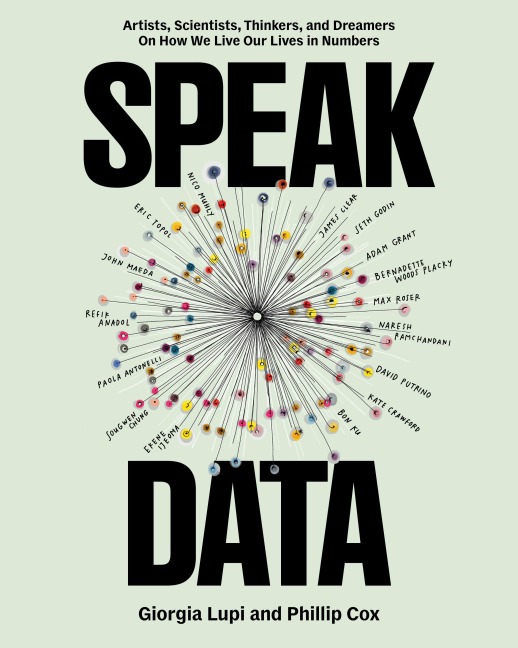
Speak Data: Artists, Scientists, Thinkers, and Dreamers on How We Live Our Lives in Numbers
-25% koodiga BOOKS
Meie tarnija laos
 TOP
TOP
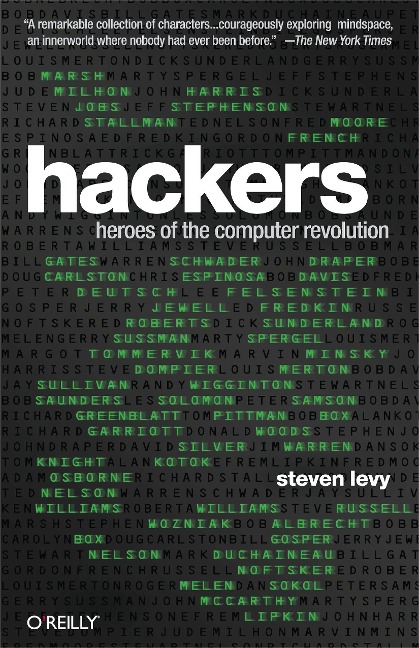
Hackers. 25th Anniversary Edition: Heroes of the Computer Revolution
-25% koodiga BOOKS
Meie tarnija laos
TOP

Deep Learning
Ian Goodfellow, Yoshua Bengio, Aaron Courville
-25% koodiga BOOKS
Meie tarnija laos
TOP
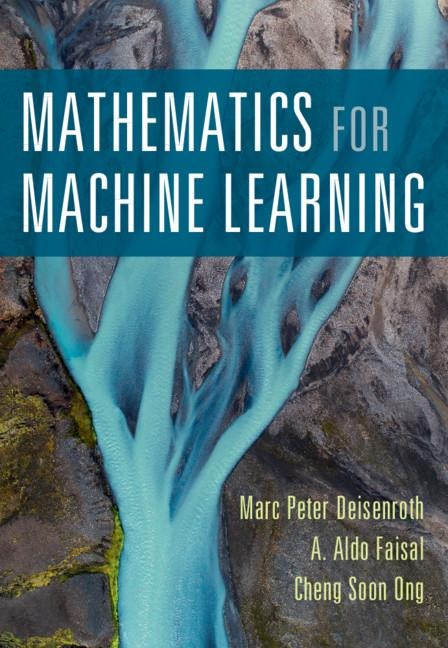
Mathematics for Machine Learning
Cheng Soon Ong, A. Aldo Faisal, Marc Peter Deisenroth
-25% koodiga BOOKS
Meie tarnija laos
TOP
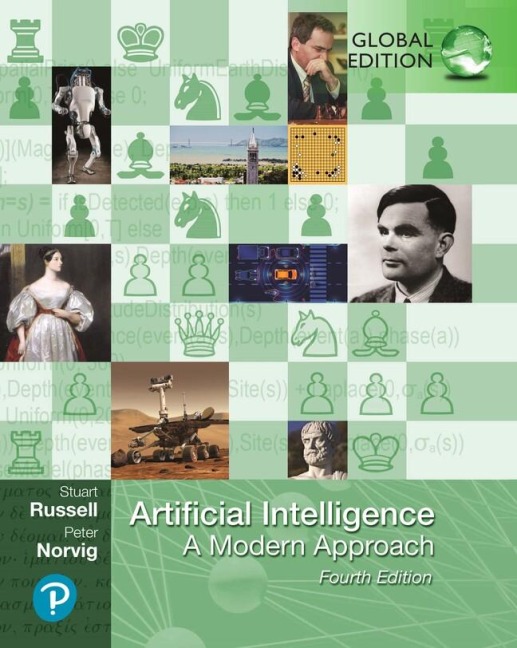
Artificial Intelligence: A Modern Approach, Global Edition
-25% koodiga BOOKS
Meie tarnija laos
Kirjeldus
Lisateave
| Kirjastaja | OmniScriptum |
|---|---|
| Väljalaskeaasta | 2026 |
| Kaanetüüp | Pehme kaanega |
| EAN | 9786133773127 |