
Alans -

-40% koodiga BOOKS
Saadetis 12-18 tööpäeva jooksul
30-päevane tagastamisõigus
Source: Wikipedia. Pages: 30. Chapters: Alda of Alania, Ardabur, Ardabur (consul 427), Ashkhen, Aspar, Attaces, Battle of Orleans (463), Battle of the Catalaunian Plains, Battle of the Nervasos Mountains, Borena of Alania, Burdukhan of Alania, Crossing of the Rhine, David Soslan, Goar, Ossetians, Respendial, Roxolani, Sangiban, Sarmatians, Sarosios, Satenik, Serboi, Siraces. Excerpt: The Battle of the Catal ... Täielik kirjeldus
Võib-olla meeldib sulle ka
 TOP
TOP

An African History of Africa: From the Dawn of Humanity to Independence
-40% koodiga BOOKS
Meie tarnija laos
 TOP
TOP

A People's History of the United States
-40% koodiga BOOKS
Meie tarnija laos
TOP

The Notebook: A History of Thinking on Paper
-40% koodiga BOOKS
Meie tarnija laos
TOP

We the People: A History of the U.S. Constitution
-40% koodiga BOOKS
Meie tarnija laos
 TOP
TOP

The Hundred Years' War on Palestine: A History of Settler Colonial Conquest and Resistance
-40% koodiga BOOKS
Meie tarnija laos
TOP

Eichmann in Jerusalem: A Report on the Banality of Evil
-40% koodiga BOOKS
Meie tarnija laos
TOP

A History of the World in 47 Borders: The Stories Behind the Lines on Our Maps
-40% koodiga BOOKS
Meie tarnija laos
 TOP
TOP

From Third World to First: Singapore and the Asian Economic Boom
-40% koodiga BOOKS
Meie tarnija laos
TOP
Bloodlands: Europe Between Hitler and Stalin
-40% koodiga BOOKS
Meie tarnija laos
TOP

The Dawn of Everything: A New History of Humanity
-40% koodiga BOOKS
Meie tarnija laos
TOP


Chip War: The Fight for the World's Most Critical Technology
-40% koodiga BOOKS
Laos
TOP

A Short History of America: From Tea Party to Trump
-40% koodiga BOOKS
Meie tarnija laos
TOP

Man's Search For Meaning: The classic tribute to hope from the Holocaust
-40% koodiga BOOKS
Meie tarnija laos
TOP
The Sleepwalkers: How Europe Went to War in 1914
-40% koodiga BOOKS
Meie tarnija laos
TOP

In Search Of Berlin: The Story of Europe's Most Important City
-40% koodiga BOOKS
Meie tarnija laos
 TOP
TOP
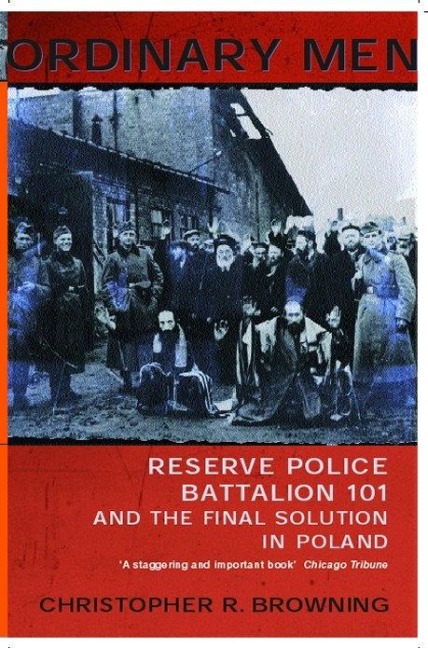
Ordinary Men: Reserve Police Battalion 101 and the Final Solution in Poland
-40% koodiga BOOKS
Meie tarnija laos
Kirjeldus
Source: Wikipedia. Pages: 30. Chapters: Alda of Alania, Ardabur, Ardabur (consul 427), Ashkhen, Aspar, Attaces, Battle of Orleans (463), Battle of the Catalaunian Plains, Battle of the Nervasos Mountains, Borena of Alania, Burdukhan of Alania, Crossing of the Rhine, David Soslan, Goar, Ossetians, Respendial, Roxolani, Sangiban, Sarmatians, Sarosios, Satenik, Serboi, Siraces. Excerpt: The Battle of the Catalaunian Plains (or Fields), also called the Battle of Châlons or the Battle of Maurica, took place in AD 451 between a coalition led by the Roman general Flavius Aëtius and the Visigothic king Theodoric I against the Huns and their allies commanded by their leader Attila. It was one of the last major military operations of the Western Roman Empire though Visigothic soldiers also formed the core of the allied Roman army. The battle was a strategic victory for the Romans, stopping the Huns' attempt to conquer Roman Gaul. The Huns were later destroyed by a coalition of Germanic peoples at the Battle of Nedao in 454. This is considered as one of the most important battles in the history of Europe and Christianity, since if Attila conquered Europe, he could destroy the Roman cultures and potentially annihilate Christianity. Roman Empire (yellow) and Hunnic Empire (orange) 450By 450 Roman control of Gaul had grown feeble, but stable, as had control over all of the provinces beyond Italy. Celtic Armorica was only nominally part of the empire. Germanic tribes prowling around Roman territory had been forcibly settled and served as foederati under their own leaders. Northern Gaul between the Rhine north of Xanten and Marne rivers (Gallia Belgica) had unofficially been abandoned to the Franks. The line of effective Roman control ran from Cologne to Amiens and to the coast at Boulogne. The Visigoths in Gallia Aquitania were growing restive. The Burgundians near the Alps were more submissive, but likewise awaiting openings for revolt. The parts still securely in Roman control were the Mediterranean coastline, a wide band of varying width running from Aurelianum (present-day Orléans) upstream along the Loire as far north as Amiens and one downstream along the Rhône River including the Auvergne, Provence and Languedoc. The historian Jordanes states that Attila was enticed by the Vandals' king Gaiseric to wage war on the Visigoths. At the same time, Gaiseric w
Lisateave
| Kirjastaja | Books LLC, Reference Series |
|---|---|
| Väljalaskeaasta | 2013 |
| Kaanetüüp | Pehme kaanega |
| EAN | 9781155690735 |