
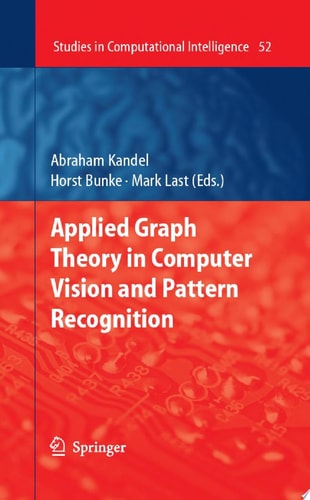
Applied Graph Theory in Computer Vision and Pattern Recognition - Abraham Kandel,Horst Bunke
-40% koodiga BOOKS
Saadetis 10-16 tööpäeva jooksul
30-päevane tagastamisõigus
Graph theory has strong historical roots in mathematics, especially in topology. Its birth is usually associated with the “four-color problem” posed by Francis Guthrie 1 in 1852, but its real origin probably goes back to the Seven Bridges of Konigsber ̈ g 2 problem proved by Leonhard Euler in 1736. A computational solution to these two completely different problems could be found after each problem was abst ... Täielik kirjeldus
Võib-olla meeldib sulle ka
 TOP
TOP

Determined: The Science of Life Without Free Will
-40% koodiga BOOKS
Meie tarnija laos
TOP
The Rise and Fall of the Dinosaurs: A New History of a Lost World
-40% koodiga BOOKS
Meie tarnija laos
TOP
Factfulness: Ten Reasons We're Wrong About the World--and Why Things Are Better Than You Think
Ola Rosling, Anna Rosling Rönnlund, Hans Rosling
-40% koodiga BOOKS
Meie tarnija laos
TOP

Biology: A Global Approach, Global Edition
Neil Campbell, Rebecca Orr, Lisa Urry, Peter Minorsky, Michael Cain, Jane Reece, Steven Wasserman
-40% koodiga BOOKS
Meie tarnija laos
TOP

Six Not-so-easy Pieces: Einstein's Relativity, Symmetry, and Space-Time
Richard P. Feynman, Robert B. Leighton, Matthew Sands
-40% koodiga BOOKS
Meie tarnija laos
TOP
Entangled Life: How Fungi Make Our Worlds, Change Our Minds and Shape Our Futures
-40% koodiga BOOKS
Meie tarnija laos
TOP
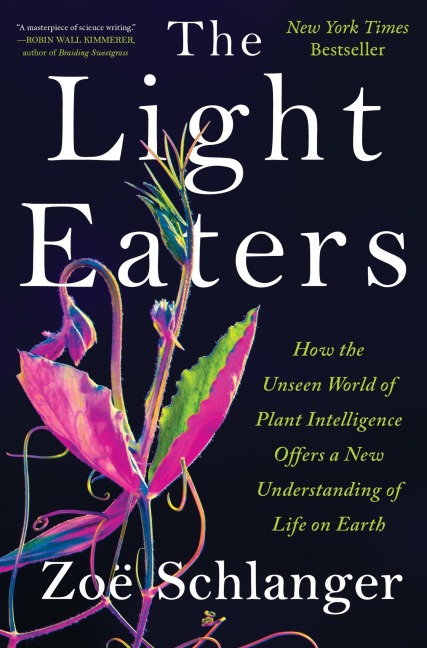
The Light Eaters: How the Unseen World of Plant Intelligence Offers a New Understanding of Life on Earth
-40% koodiga BOOKS
Meie tarnija laos
 TOP
TOP

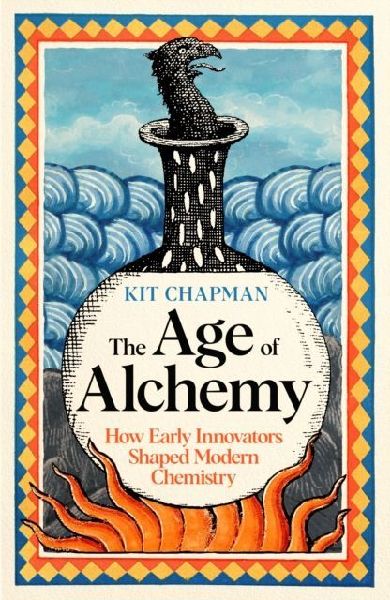
The Age of Alchemy: How Early Innovators Shaped Modern Chemistry
-40% koodiga BOOKS
Meie tarnija laos
TOP
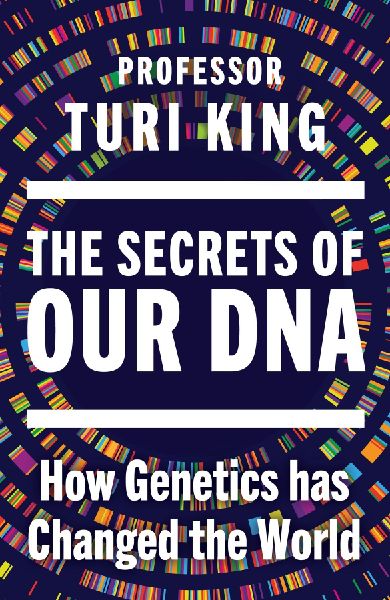
The Secrets of our DNA: How Genetics has Changed the World
-40% koodiga BOOKS
Meie tarnija laos
TOP

Janeway's Immunobiology
Leslie J. Berg, Kenneth Murphy, Casey Weaver
-40% koodiga BOOKS
Meie tarnija laos
TOP

How to Solve it: A New Aspect of Mathematical Method
-40% koodiga BOOKS
Meie tarnija laos
TOP
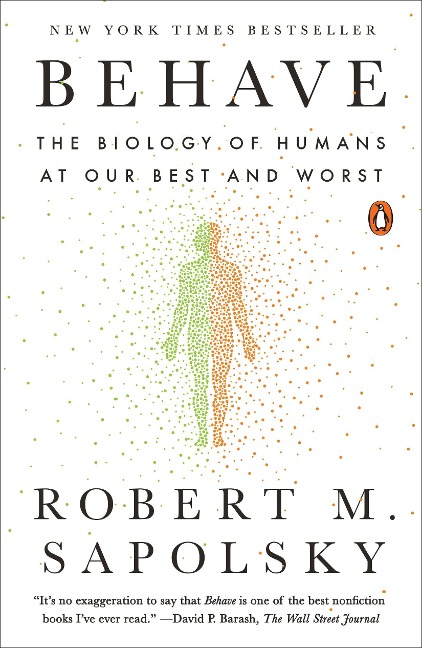
Behave: The Biology of Humans at Our Best and Worst
-40% koodiga BOOKS
Meie tarnija laos
TOP
Why We Sleep: Unlocking the Power of Sleep and Dreams
-40% koodiga BOOKS
Laos
TOP
Why Machines Learn: The Elegant Maths Behind Modern AI
-40% koodiga BOOKS
Meie tarnija laos
TOP

Six Easy Pieces: Essentials of Physics Explained by Its Most Brilliant Teacher
Richard P. Feynman, Robert B. Leighton, Matthew Sands
-40% koodiga BOOKS
Meie tarnija laos
TOP
The Rise and Reign of the Mammals: A New History, from the Shadow of the Dinosaurs to Us
-40% koodiga BOOKS
Meie tarnija laos
TOP
Learn Faster, Perform Better: A Musician's Guide to the Neuroscience of Practicing
-40% koodiga BOOKS
Meie tarnija laos
TOP
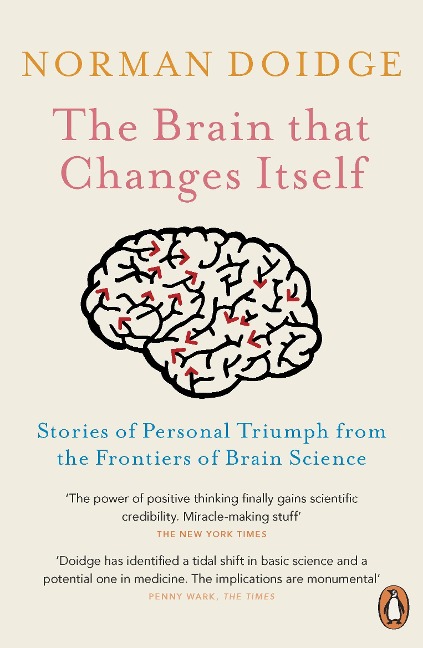
The Brain That Changes Itself: Stories of Personal Triumph from the Frontiers of Brain Science
-40% koodiga BOOKS
Meie tarnija laos
Kirjeldus
Lisateave
| Autor | Abraham Kandel, Horst Bunke |
|---|---|
| Kirjastaja | Springer Science & Business Media |
| Väljalaskeaasta | 2007 |
| Kaanetüüp | Kõvakaaneline |
| EAN | 9783540680192 |