
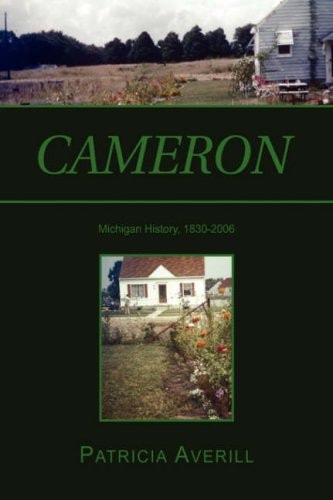
Cameron - Patricia Averill
-40% koodiga BOOKS
Saadetis 10-16 tööpäeva jooksul
30-päevane tagastamisõigus
About the Author Patricia Averill has a BA in history from Michigan State University and a PhD in American Studies from the University of Pennsylvania, where she also studied folklore and business history. Her dissertation, Can the Circle Be Unbroken, used country music to examine outmigration from the rural white south and its effects on families. Product Description When is a zinnia not a zinnia? When the ... Täielik kirjeldus
Võib-olla meeldib sulle ka
 TOP
TOP

An African History of Africa: From the Dawn of Humanity to Independence
-40% koodiga BOOKS
Meie tarnija laos
 TOP
TOP

A People's History of the United States
-40% koodiga BOOKS
Meie tarnija laos
TOP
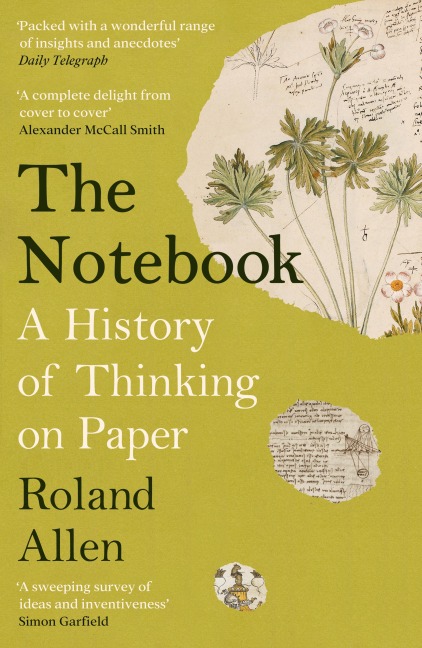
The Notebook: A History of Thinking on Paper
-40% koodiga BOOKS
Meie tarnija laos
TOP

We the People: A History of the U.S. Constitution
-40% koodiga BOOKS
Meie tarnija laos
 TOP
TOP
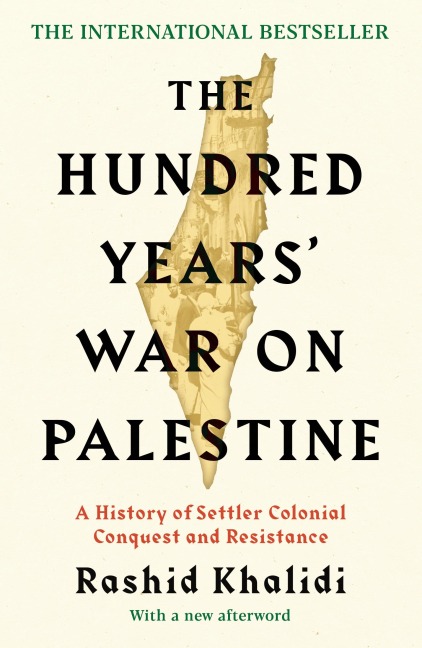
The Hundred Years' War on Palestine: A History of Settler Colonial Conquest and Resistance
-40% koodiga BOOKS
Meie tarnija laos
TOP
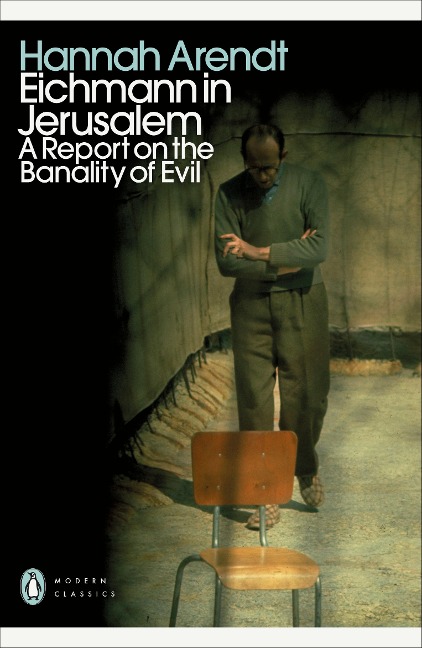
Eichmann in Jerusalem: A Report on the Banality of Evil
-40% koodiga BOOKS
Meie tarnija laos
TOP
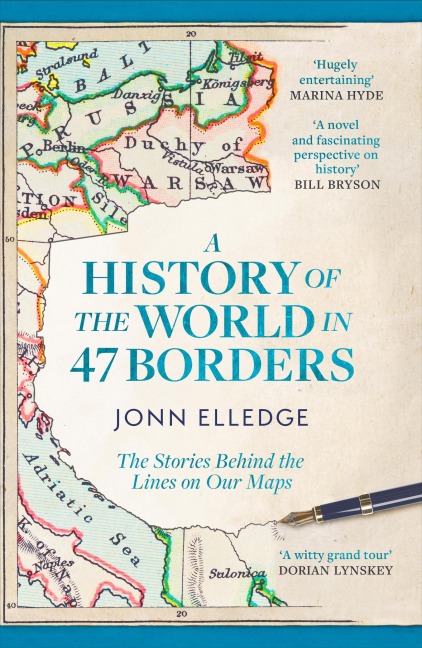
A History of the World in 47 Borders: The Stories Behind the Lines on Our Maps
-40% koodiga BOOKS
Meie tarnija laos
 TOP
TOP

From Third World to First: Singapore and the Asian Economic Boom
-40% koodiga BOOKS
Meie tarnija laos
TOP
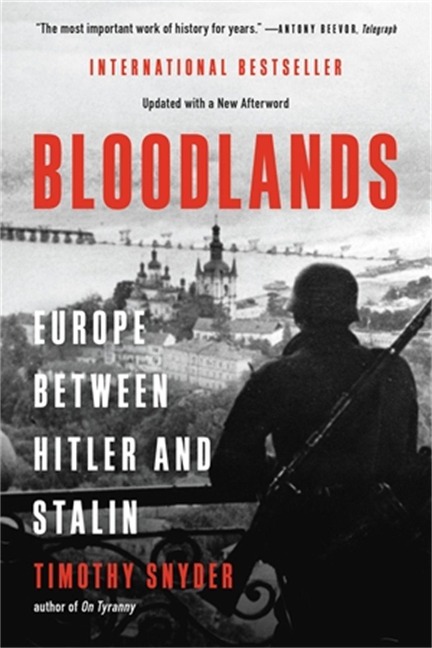
Bloodlands: Europe Between Hitler and Stalin
-40% koodiga BOOKS
Meie tarnija laos
TOP
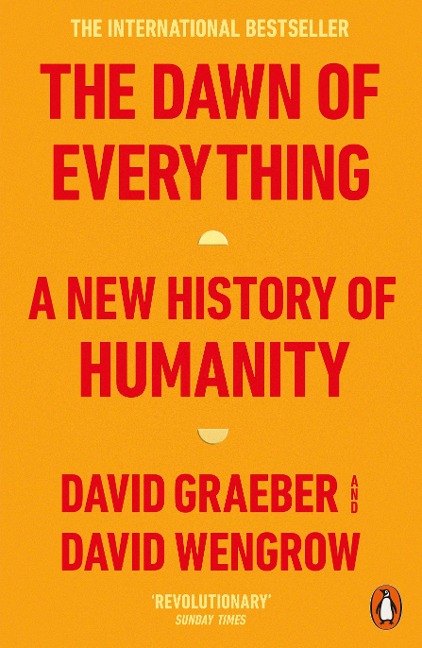
The Dawn of Everything: A New History of Humanity
-40% koodiga BOOKS
Meie tarnija laos
TOP


Chip War: The Fight for the World's Most Critical Technology
-40% koodiga BOOKS
Laos
TOP

A Short History of America: From Tea Party to Trump
-40% koodiga BOOKS
Meie tarnija laos
TOP
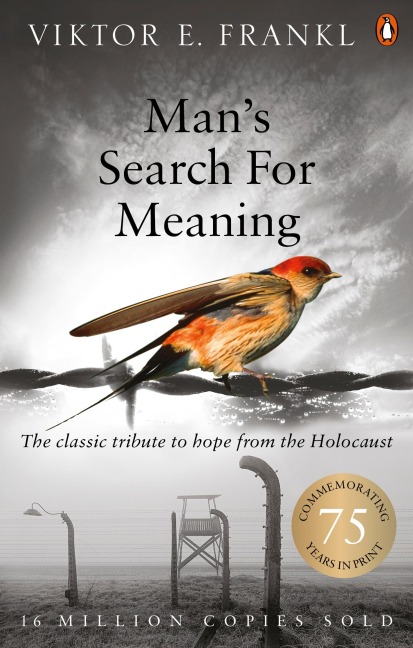
Man's Search For Meaning: The classic tribute to hope from the Holocaust
-40% koodiga BOOKS
Meie tarnija laos
TOP
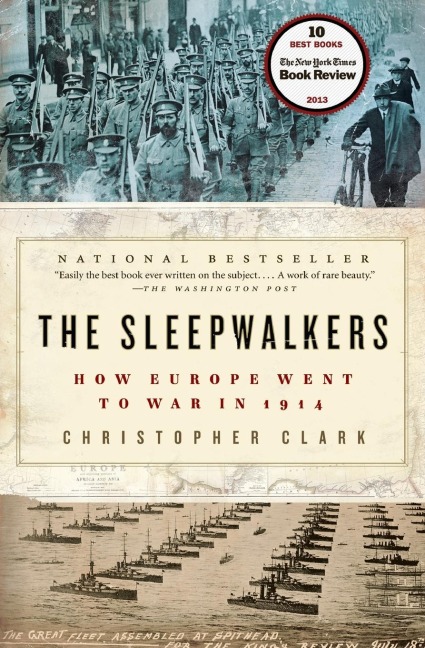
The Sleepwalkers: How Europe Went to War in 1914
-40% koodiga BOOKS
Meie tarnija laos
TOP
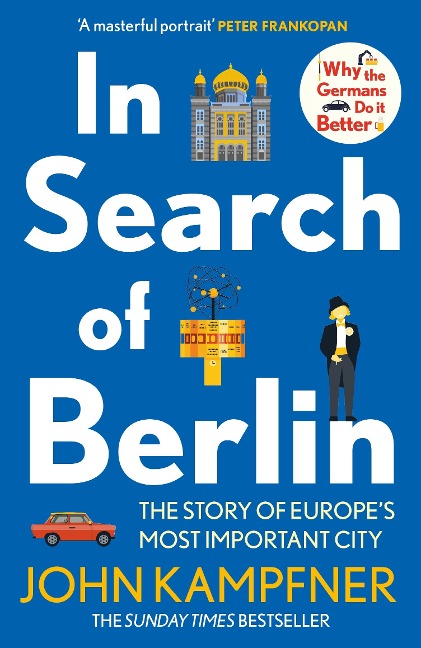
In Search Of Berlin: The Story of Europe's Most Important City
-40% koodiga BOOKS
Meie tarnija laos
 TOP
TOP
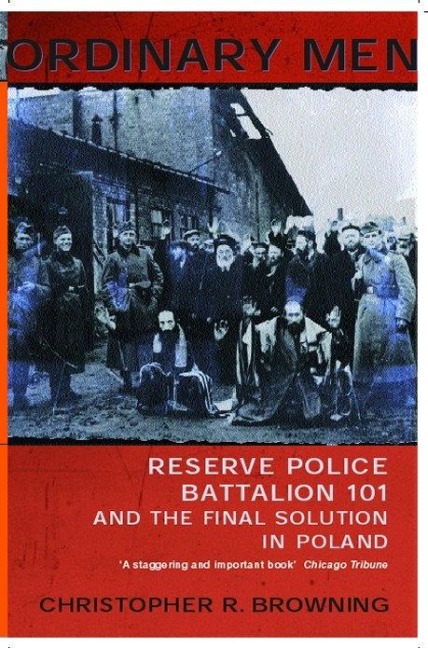
Ordinary Men: Reserve Police Battalion 101 and the Final Solution in Poland
-40% koodiga BOOKS
Meie tarnija laos
Kirjeldus
Lisateave
| Autor | Patricia Averill |
|---|---|
| Kirjastaja | Xlibris |
| Väljalaskeaasta | 2006 |
| Kaanetüüp | Kõvakaaneline |
| EAN | 9781425712150 |