Tasuta kohaletoimetamine tellimustele üle 29 €
  • check 10+ miljonit raamatut
  • check Uued tooted iga päev
  • check Meid usaldab üle 1 miljoni kliendi
  • check Hea hind ja allahindlused
  • check Tarne üle kogu Euroopa

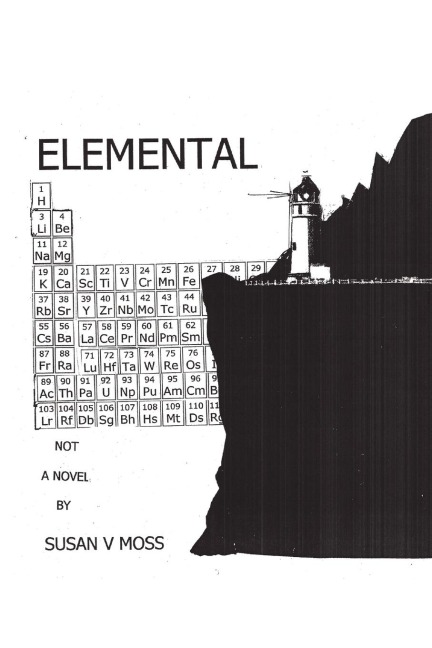
Elemental - Susan V. Moss
inglise keel
2009-10-14
21,57 € 35,95 €

-40% koodiga BOOKS

Meie tarnija laos

Saadetis 15-21 tööpäeva jooksul

30-päevane tagastamisõigus

I have always loved Ferris wheels. I love their slow, predictable ups and downs. My younger sister always spent her midway dimes on roller coasters, the biggest she could find. She loved the speed and the surprise. This book is about a group of people who long to ride the Ferris wheel but who have been trapped for their entire lives on a roller coaster. These people have an illness of mood called Bipolar Il ... Täielik kirjeldus

Võib-olla meeldib sulle ka

Kirjeldus

I have always loved Ferris wheels. I love their slow, predictable ups and downs. My younger sister always spent her midway dimes on roller coasters, the biggest she could find. She loved the speed and the surprise. This book is about a group of people who long to ride the Ferris wheel but who have been trapped for their entire lives on a roller coaster. These people have an illness of mood called Bipolar Illness which was first described thousands of years ago and has been found to occur across the entire spectrum of humanity. Bipolar Illness is distinguished by exaggerated moods which can manifest themselves as heightened energy, creativity, rage, joy, sadness and profound fatigue. Because of the diverse presentations of Bipolar Illness the prevalence of this illness has long been difficult to determine. Many researchers today believe that at least 4.3 percent of the human population suffers from Bipolar Illness. And, the prevalence of Bipolar Illness in the United States may be estimated to be at least thirteen million. The hallmark, and most profoundly disturbing symptom of Bipolar Illness, is the very great risk of suicide among those affected. As many as half of all suicide deaths in the United States appear to be persons with Bipolar Illness. Suicide risk for persons with Bipolar Illness is twenty times that of the general population. The cause of Bipolar Illness is not known but it has been noted for centuries that this illness has a very strong familial component. Bipolar Illness generally manifests itself in adolescence and, if untreated, progresses to either suicide or severe disability in later adulthood. There is no cure for Bipolar Illness. Three years after the Second World War, an Australian psychiatrist, doing research into possible causes of the mood disorder of mania in Bipolar Illness discovered that the element lithium, when given to manic patients, would calm them. The psychiatrist's name was John Cade and, after clinical trials giving lithium to manic patients in the psychiatric hospital where he practiced, he documented in 1949 such astonishing results with lithium treatment that he speculated that the mania in Bipolar Illness was a "lithium deficiency disease". We now know that lithium, one element in the stardust that makes up our world, is found ublqultously in nature including in trace amounts in the human brain. Persons with mania have been found to have no more, or less, of this innate lithium in their brains than non-manic persons. However, over the last sixty years we have learned that upwards of seventy percent of persons with Bipolar Illness, when given lithium in a very concentrated form over time, can be successfully treated for, and prevented from, episodes of life-threatening mania and suicide. We do not know how lithium prevents and treats mania (and some forms of depression). It is speculated lithium may function as a specialized neurotransmitter in our brains. As brain imaging becomes more sophisticated we hope to discern more of the mysteries which surround the biochemistry and physiology of the human brain, including those of Bipolar Illness and lithium. When Dr. John Cade published his article about the anti-manic effects of lithium in Australia in 1949, this article came to the attention, and interest, of a Danish psychiatrist named Mogens Schou. At the time, Dr Schou was a medical faculty member and researcher at Aarhus University in Denmark. He also had a number of family members with Bipolar Illness, notably his brother. During the 1950's and 1960's Dr Schou, and his colleagues, confirmed John Cade's findings regarding the anti-manic effects of lithium. Dr Schou's work proved, additionally, that lithium could both treat and prevent recurrences of mania in persons with Bipolar Illness. The Widespread use of lithium to treat particularly psychotic persons with Bipolar Illness in Europe through the 1960's resulted in an amazing decrease in the hospitalized population of per

Lisateave

Autor Susan V. Moss
Kirjastaja Xlibris
Väljalaskeaasta 2009
Kaanetüüp Pehme kaanega
EAN 9781441567901
Kirjuta oma arvustus
Te vaatate: Elemental
Teie hinnang:

Goodreads'i arvustused

21,57 € 35,95 €