
Finite-difference time-domain method: Electromagnetic radiation, Partial differential equation, Maxwells equations, Computational electromagnetics, Finite-difference frequency-domain, Scattering-matrix method -


-40% koodiga BOOKS
Saadetis 15-21 tööpäeva jooksul
30-päevane tagastamisõigus
Finite-difference time-domain is a popular computational electrodynamics modeling technique. It is considered easy to understand and easy to implement in software. Since it is a time-domain method, solutions can cover a wide frequency range with a single simulation run. The FDTD method belongs in the general class of grid-based differential time-domain numerical modeling methods. The time-dependent Maxwell' ... Täielik kirjeldus
Võib-olla meeldib sulle ka


 TOP
TOP
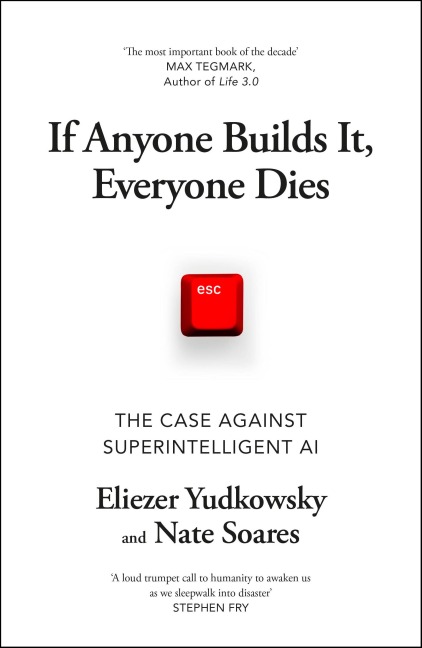
If Anyone Builds It, Everyone Dies: The Case Against Superintelligent AI
Eliezer Yudkowsky, Nate Soares
-40% koodiga BOOKS
Meie tarnija laos
 TOP
TOP
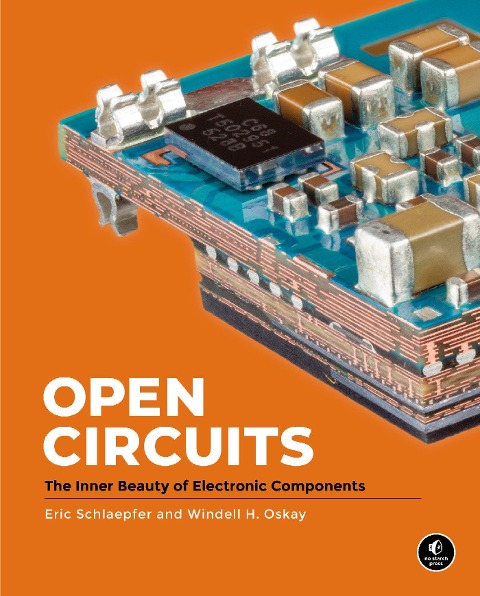
Open Circuits: The Inner Beauty of Electronic Components
Eric Schlaepfer, Windell Oskay
-40% koodiga BOOKS
Meie tarnija laos
TOP
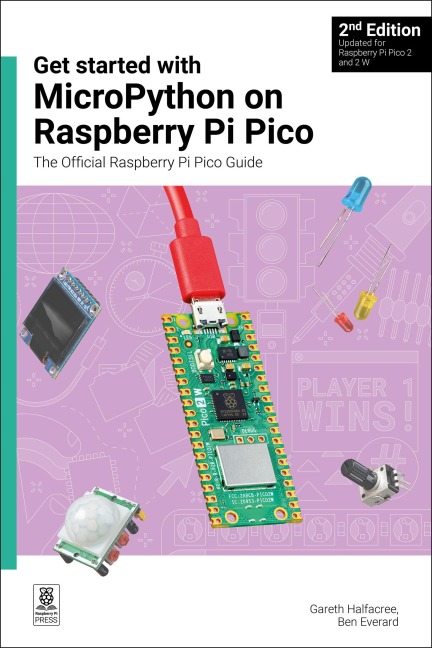
Get started with MicroPython on Raspberry Pi Pico: The Official Raspberry Pi Pico Guide
-40% koodiga BOOKS
Meie tarnija laos
TOP

We Are Not Machines: The Fight for the Future of Work
-40% koodiga BOOKS
Meie tarnija laos
TOP

Foundations of Flavor: The Noma Guide to Fermentation: Including Step-By-Step Information on Making and Cooking with: Koji, Kombuchas, Shoyus, Misos, Vinegars, Garums, Lacto-Ferments and black Fruits Vegetables
-40% koodiga BOOKS
Meie tarnija laos
TOP

Nucleo Boards Programming with the STM32CubeIDE: Hands-on in more than 50 projects
-40% koodiga BOOKS
Meie tarnija laos
TOP
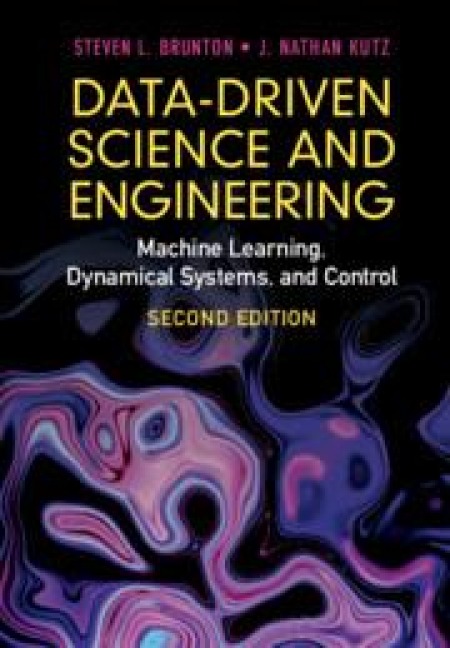
Data-Driven Science and Engineering: Machine Learning, Dynamical Systems, and Control
Steven L. Brunton, J. Nathan Kutz
-40% koodiga BOOKS
Meie tarnija laos
TOP

Fundamentals of Aerodynamics ISE
Christopher Cadou, John D. Anderson
-40% koodiga BOOKS
Meie tarnija laos
TOP
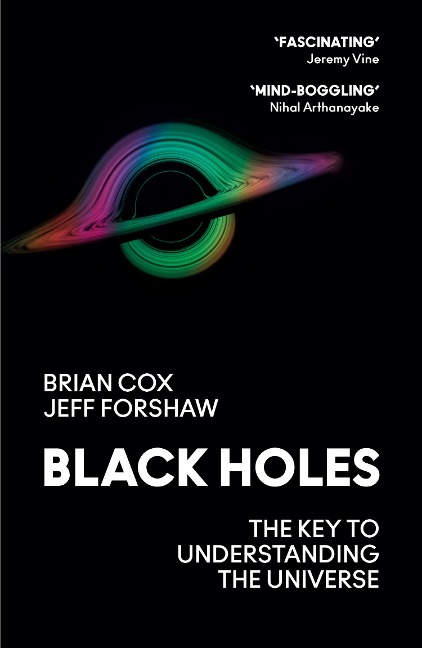
Black Holes: The Key to Understanding the Universe
-40% koodiga BOOKS
Meie tarnija laos
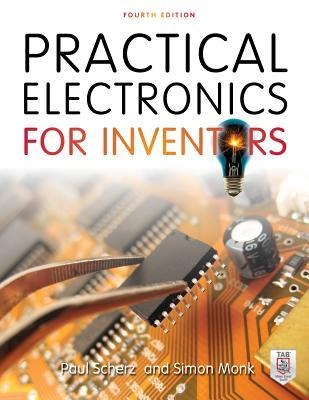 TOP
TOP
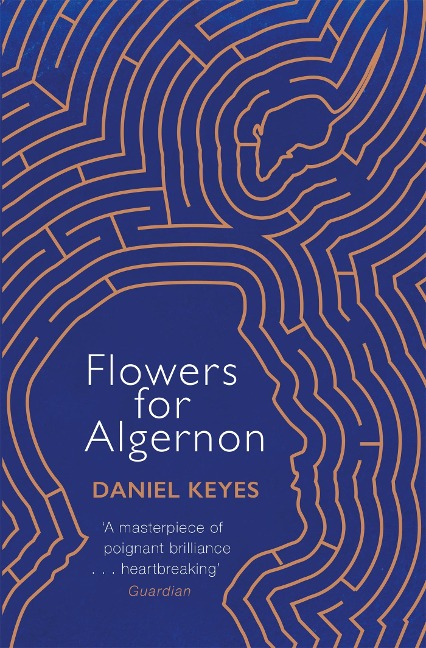
Flowers For Algernon: A Modern Literary Classic
-40% koodiga BOOKS
Meie tarnija laos
TOP

Human Compatible: Artificial Intelligence and the Problem of Control
-40% koodiga BOOKS
Meie tarnija laos
TOP
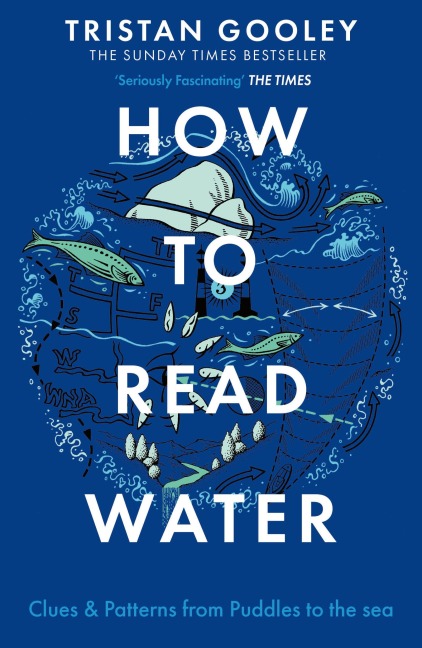
How To Read Water: Clues & Patterns from Puddles to the Sea
-40% koodiga BOOKS
Meie tarnija laos
TOP
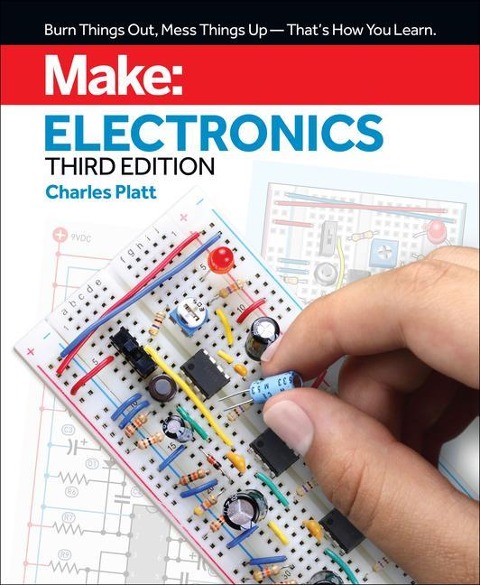
Make: Electronics: Learning by Discovery: A hands-on primer for the new electronics enthusiast
-40% koodiga BOOKS
Meie tarnija laos
TOP

Mastering the Arduino Uno R4: Programming and Projects for the Minima and WiFi
-40% koodiga BOOKS
Meie tarnija laos
TOP
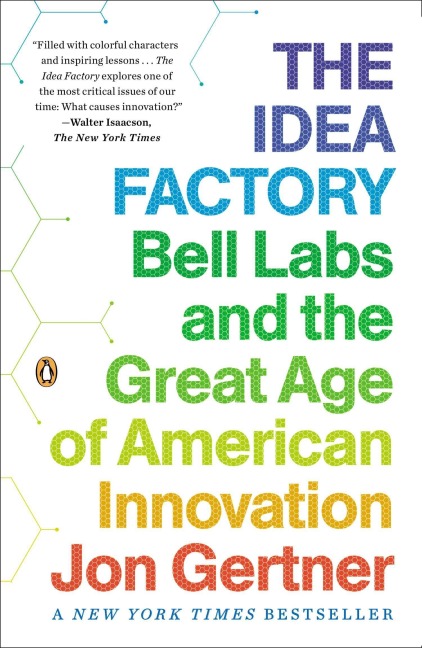
The Idea Factory: Bell Labs and the Great Age of American Innovation
-40% koodiga BOOKS
Meie tarnija laos

Kirjeldus
Lisateave
| Kirjastaja | OmniScriptum |
|---|---|
| Väljalaskeaasta | 2026 |
| Kaanetüüp | Pehme kaanega |
| EAN | 9786130211882 |