
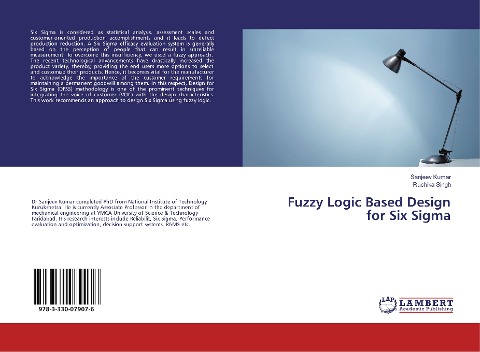
Fuzzy Logic Based Design for Six Sigma - Sanjeev Kumar,Ruchika Singh
-40% koodiga BOOKS
Saadetis 12-18 tööpäeva jooksul
30-päevane tagastamisõigus
Six Sigma is considered as statistical analysis, assessment scales and customer-oriented production accomplishments and it leads to defect production reduction. A Six Sigma efficacy evaluation system is generally based on the perception of people that can result in unreliable measurement. To overcome this insufficiency, we used a fuzzy approach. The recent technological advancements have drastically increas ... Täielik kirjeldus
Võib-olla meeldib sulle ka

 TOP
TOP

Unreasonable Hospitality: The Remarkable Power of Giving People More Than They Expect
-40% koodiga BOOKS
Meie tarnija laos
 TOP
TOP
Never Split the Difference: Negotiating as if Your Life Depended on It
-40% koodiga BOOKS
Laos
TOP
The 7 Habits of Highly Effective People. 30th Anniversary Edition: Powerful Lessons in Personal Change
Jim Collins, Sean Covey, Stephen R. Covey
-40% koodiga BOOKS
Laos
TOP

Atomic Habits: An Easy & Proven Way to Build Good Habits & Break Bad Ones
-40% koodiga BOOKS
Meie tarnija laos
TOP
Radical Candor: Be a Kick-Ass Boss Without Losing Your Humanity
-40% koodiga BOOKS
Meie tarnija laos
TOP

Why Nations Fail: The Origins of Power, Prosperity and Poverty
Daron Acemoglu, James A. Robinson
-40% koodiga BOOKS
Meie tarnija laos
TOP

Legacy: What The All Blacks Can Teach Us About The Business Of Life
-40% koodiga BOOKS
Meie tarnija laos
TOP

The Psychology of Money: Timeless Lessons on Wealth, Greed, and Happiness
-40% koodiga BOOKS
Laos
TOP
Clear Thinking: The Art and Science of Making Better Decisions
-40% koodiga BOOKS
Meie tarnija laos
TOP

Vienna: How the City of Ideas Created the Modern World
-40% koodiga BOOKS
Meie tarnija laos
TOP


The Infinity Machine: Demis Hassabis, DeepMind, and the Quest for Superintelligence
-40% koodiga BOOKS
Meie tarnija laos
TOP

E-Myth Revisited: Why Most Small Businesses Don't Work and What to Do About It
-40% koodiga BOOKS
Meie tarnija laos
TOP
The Lean Startup: How Today's Entrepreneurs Use Continuous Innovation to Create Radically Successful Businesses
-40% koodiga BOOKS
Laos
TOP
Radical Candor: Be a Kick-Ass Boss Without Losing Your Humanity
-40% koodiga BOOKS
Meie tarnija laos
TOP
Influence: The Psychology of Persuasion
-40% koodiga BOOKS
Meie tarnija laos
TOP

Co-Intelligence: Living and Working with AI
-40% koodiga BOOKS
Meie tarnija laos
TOP
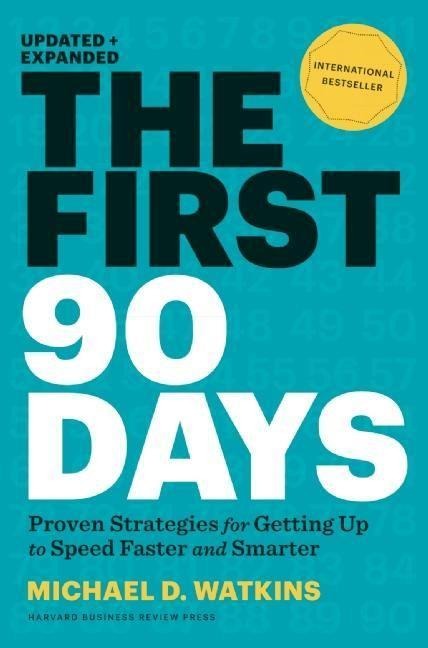
The First 90 Days: Proven Straegies for Getting up to Speed faster and smarter
-40% koodiga BOOKS
Meie tarnija laos
TOP
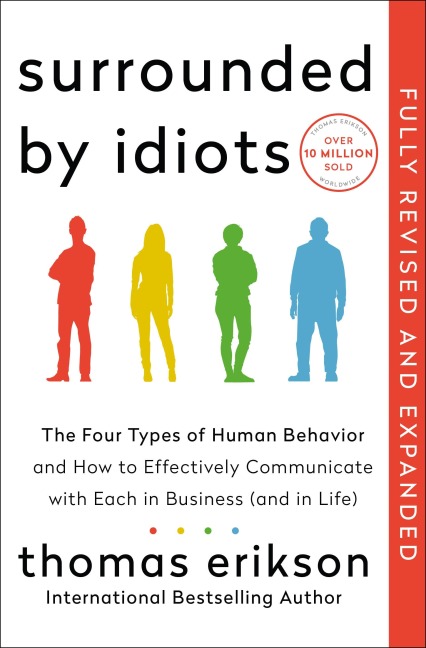
Surrounded by Idiots Revised & Expanded Edition: The Four Types of Human Behavior and How to Effectively Communicate with Each in Business (and in Life)
-40% koodiga BOOKS
Meie tarnija laos
Kirjeldus
Six Sigma is considered as statistical analysis, assessment scales and customer-oriented production accomplishments and it leads to defect production reduction. A Six Sigma efficacy evaluation system is generally based on the perception of people that can result in unreliable measurement. To overcome this insufficiency, we used a fuzzy approach. The recent technological advancements have drastically increased the product variety, thereby, providing the end users more options to select and customize their products. Hence, it becomes vital for the manufacturer to acknowledge the importance of the customer requirements for maintaining a permanent goodwill among them. In this respect, Design for Six Sigma (DFSS) methodology is one of the prominent techniques for integrating the voice of customer (VOC) with the design characteristics. This work recommends an approach to design Six Sigma using fuzzy logic.
Lisateave
| Autor | Sanjeev Kumar, Ruchika Singh |
|---|---|
| Kirjastaja | LAP LAMBERT Academic Publishing |
| Väljalaskeaasta | 2017 |
| Kaanetüüp | Pehme kaanega |
| EAN | 9783330079076 |