
George Eliot - Rosemary Ashton

-40% koodiga BOOKS
Saadetis 15-21 tööpäeva jooksul
30-päevane tagastamisõigus
George Eliot, née Marian Evans, was born before her time; a liberated woman and an agnostic in the sexually repressive and pious Victorian era, Eliot has long been a favorite of modern feminist critics. Biographer Rosemary Ashton also admires Eliot's independence and her refusal to bend to the mores of the society and age in which she lived, but in George Eliot: A Life she proves that Eliot was more a produ ... Täielik kirjeldus
Võib-olla meeldib sulle ka


 TOP
TOP

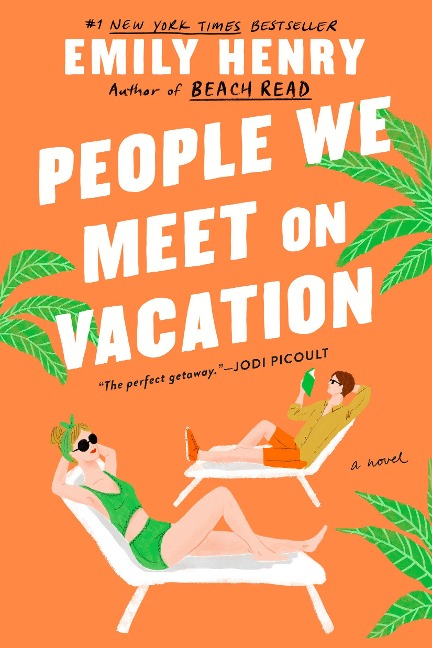
The Mistake: Now an Original Series on Amazon Prime
-40% koodiga BOOKS
Meie tarnija laos
 TOP
TOP


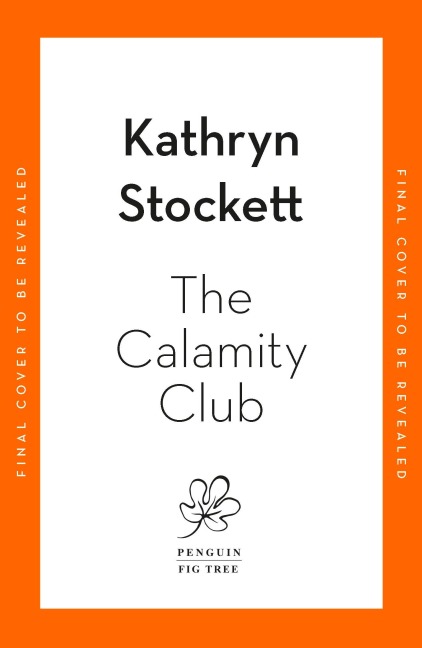
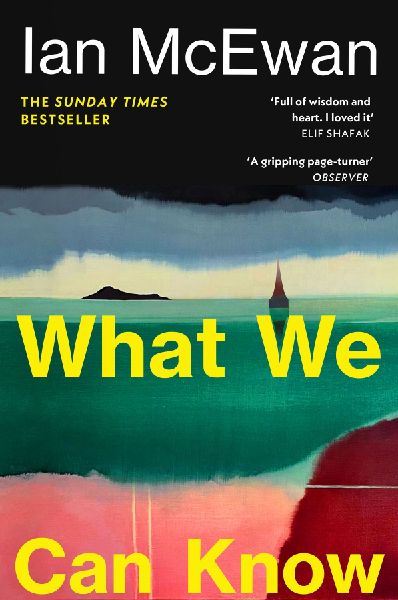
The Ballad of Falling Dragons (Standard Edition): A Novel
-40% koodiga BOOKS
Meie tarnija laos


 TOP
TOP

House of Leaves: The Remastered Full-Color Edition
-40% koodiga BOOKS
Meie tarnija laos
 TOP
TOP

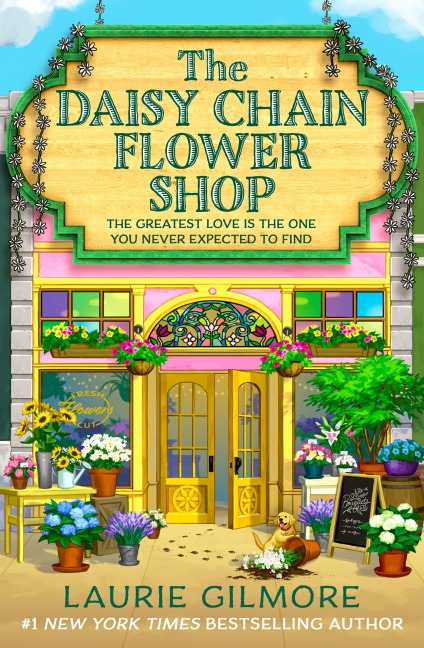
Every Summer After: the PHENOMENAL BESTSELLING ROMANCE - Now an Original Series on Amazon Prime EVERY YEAR AFTER
-40% koodiga BOOKS
Meie tarnija laos



Kirjeldus
Lisateave
| Autor | Rosemary Ashton |
|---|---|
| Kirjastaja | Faber and Faber ltd. |
| Väljalaskeaasta | 2013 |
| Kaanetüüp | Pehme kaanega |
| EAN | 9780571296484 |