
High-Water Mark (computer security): Watermark (data synchronization), Access Control Matrix, Bell-La Padula Model -


-40% koodiga BOOKS
Saadetis 15-21 tööpäeva jooksul
30-päevane tagastamisõigus
Please note that the content of this book primarily consists of articles available from Wikipedia or other free sources online. High-water mark was introduced in Clark Weissmann's Security controls in the ADEPT-50 timesharing system published in the AFIPS Conference Proceedings, volume 35, pages 119-133. FJCC, 1969. It pre-dates the Bell-La Padula security model, whose first volume appeared in 1972. Under h ... Täielik kirjeldus
Võib-olla meeldib sulle ka
 TOP
TOP

If Anyone Builds It, Everyone Dies: Why Superhuman AI Would Kill Us All
Eliezer Yudkowsky, Nate Soares
-40% koodiga BOOKS
Meie tarnija laos
 TOP
TOP
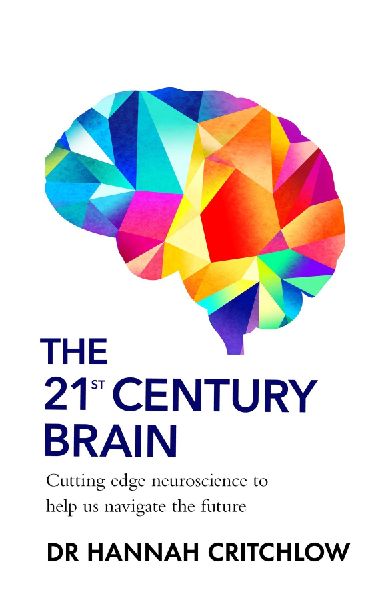
The 21st Century Brain: Cutting edge neuroscience to help us navigate the future
-40% koodiga BOOKS
Meie tarnija laos
TOP

Gödel, Escher, Bach: An Eternal Golden Braid
-40% koodiga BOOKS
Meie tarnija laos
TOP
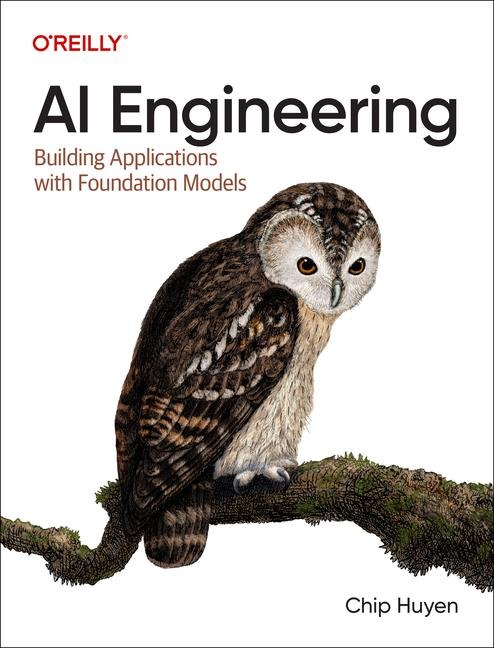
AI Engineering: Building Applications with Foundation Models
-40% koodiga BOOKS
Meie tarnija laos
TOP
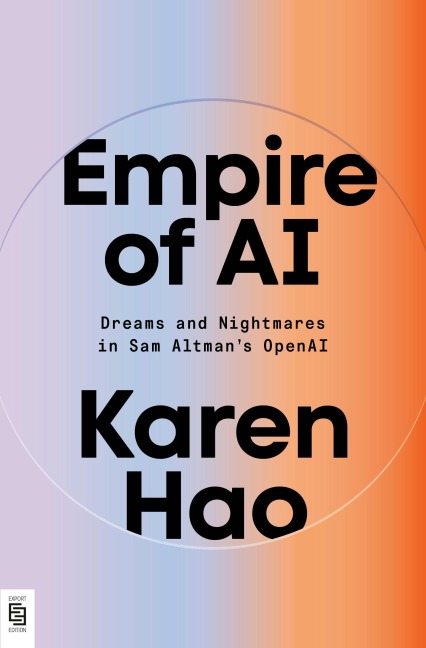
Empire of AI: Dreams and Nightmares in Sam Altman's OpenAI
-40% koodiga BOOKS
Meie tarnija laos
TOP
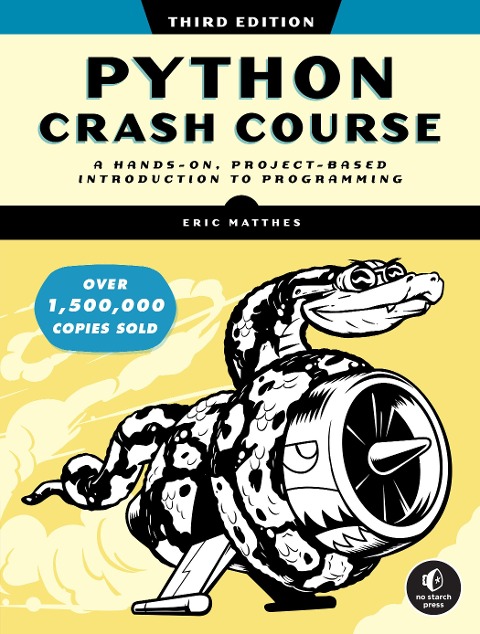
Python Crash Course: A Hands-On, Project-Based Introduction to Programming
-40% koodiga BOOKS
Meie tarnija laos
TOP
How To Think About AI: A Guide For The Perplexed
-40% koodiga BOOKS
Meie tarnija laos
TOP

The Rust Programming Language
Steve Klabnik, Carol Nichols, Chris Krycho
-40% koodiga BOOKS
Meie tarnija laos
 TOP
TOP

Why Machines Learn: The Elegant Math Behind Modern AI
-40% koodiga BOOKS
Meie tarnija laos
TOP
The Pragmatic Programmer: journey to mastery, 20th Anniversary Edition, 2/e: your journey to mastery, 20th Anniversary Edition
-40% koodiga BOOKS
Meie tarnija laos
TOP
Hackers. 25th Anniversary Edition: Heroes of the Computer Revolution
-40% koodiga BOOKS
Meie tarnija laos
TOP
The Art of Game Design: A Book of Lenses
-40% koodiga BOOKS
Meie tarnija laos
TOP

How Linux Works: What Every Superuser Should Know
-40% koodiga BOOKS
Meie tarnija laos
TOP
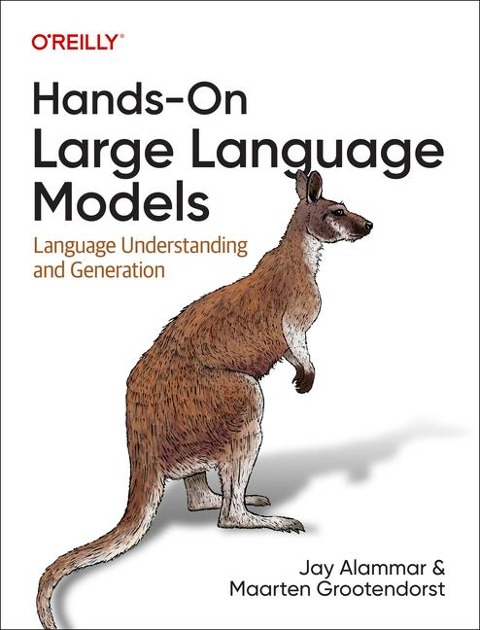
Hands-On Large Language Models: Language Understanding and Generation
Maarten Grootendorst, Jay Alammar
-40% koodiga BOOKS
Meie tarnija laos
TOP
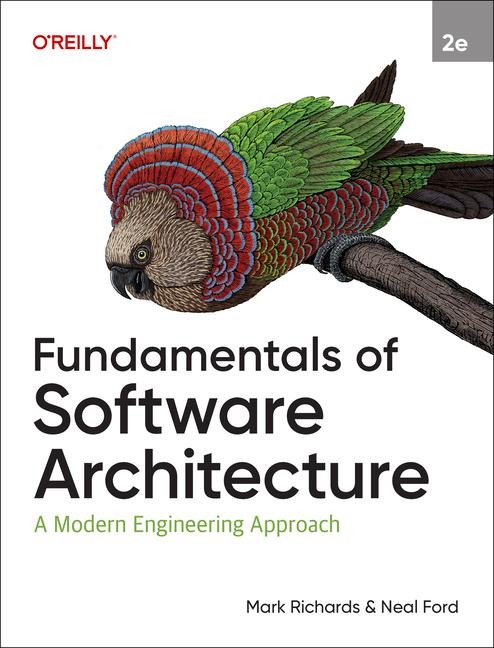
Fundamentals of Software Architecture: A Modern Engineering Approach
-40% koodiga BOOKS
Meie tarnija laos
TOP
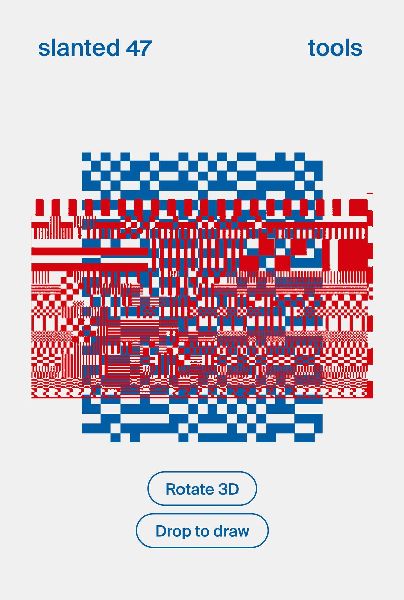
Slanted 47 Digital Tools: Slanted Magazine
-40% koodiga BOOKS
Meie tarnija laos
TOP

Linux Basics for Hackers, 2nd Edition: Getting Started with Networking, Scripting, and Security in Kali
-40% koodiga BOOKS
Meie tarnija laos
TOP
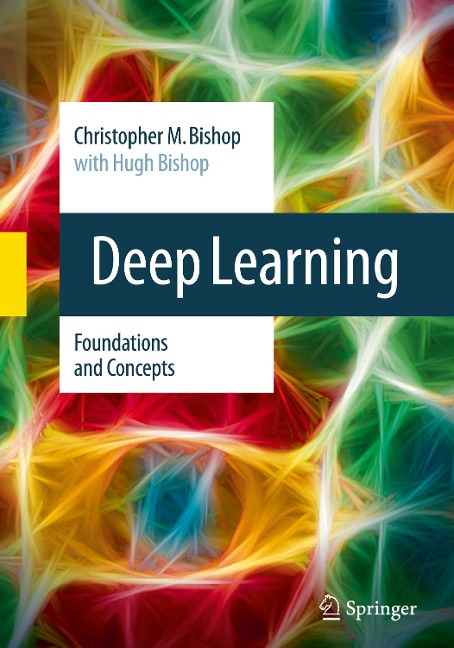
Deep Learning: Foundations and Concepts
Christopher M. Bishop, Hugh Bishop
-40% koodiga BOOKS
Meie tarnija laos
Kirjeldus
Lisateave
| Kirjastaja | OmniScriptum |
|---|---|
| Väljalaskeaasta | 2026 |
| Kaanetüüp | Pehme kaanega |
| EAN | 9786132452269 |