
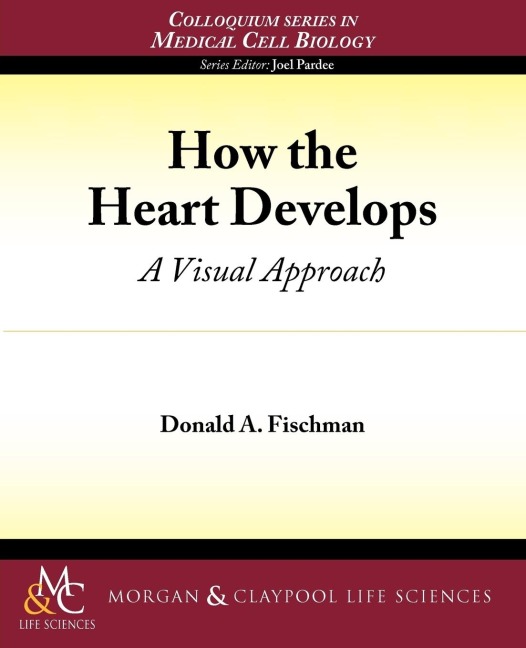
How the Heart Develops: A Visual Approach - Donald A. Fischman
-40% koodiga BOOKS
Saadetis 15-21 tööpäeva jooksul
30-päevane tagastamisõigus
With possible exception of the atomic clock, the heart may be the most perfect machine ever devised. How it develops from a simple embryonic tube is a fascinating story of biology and lends a great deal of insight into the source of heart defects that affect children and adults alike. Central to this entire lecture is the fact that the fetus resides in an aquatic environment. Oxygenated blood arrives from t ... Täielik kirjeldus
Võib-olla meeldib sulle ka
 TOP
TOP

Determined: The Science of Life Without Free Will
-40% koodiga BOOKS
Meie tarnija laos
TOP

The Light Eaters: How the Unseen World of Plant Intelligence Offers a New Understanding of Life on Earth
-40% koodiga BOOKS
Meie tarnija laos
 TOP
TOP
Why We Sleep: Unlocking the Power of Sleep and Dreams
-40% koodiga BOOKS
Laos
TOP
The Rise and Fall of the Dinosaurs: A New History of a Lost World
-40% koodiga BOOKS
Meie tarnija laos
TOP
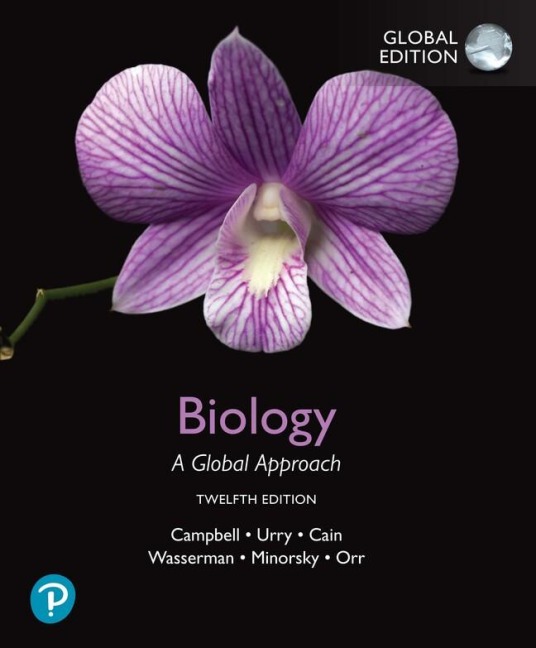
Biology: A Global Approach, Global Edition
Neil Campbell, Rebecca Orr, Lisa Urry, Peter Minorsky, Michael Cain, Jane Reece, Steven Wasserman
-40% koodiga BOOKS
Meie tarnija laos
TOP

Six Not-so-easy Pieces: Einstein's Relativity, Symmetry, and Space-Time
Richard P. Feynman, Robert B. Leighton, Matthew Sands
-40% koodiga BOOKS
Meie tarnija laos
TOP

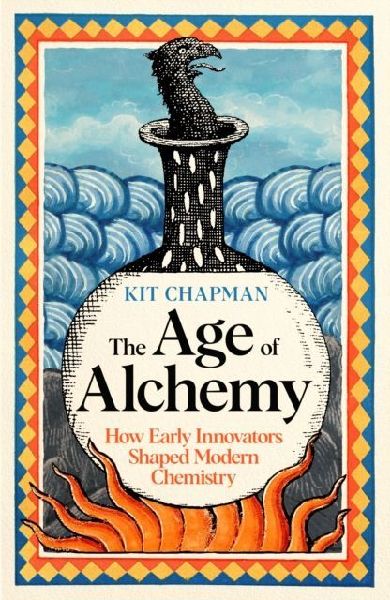
The Age of Alchemy: How Early Innovators Shaped Modern Chemistry
-40% koodiga BOOKS
Meie tarnija laos
TOP
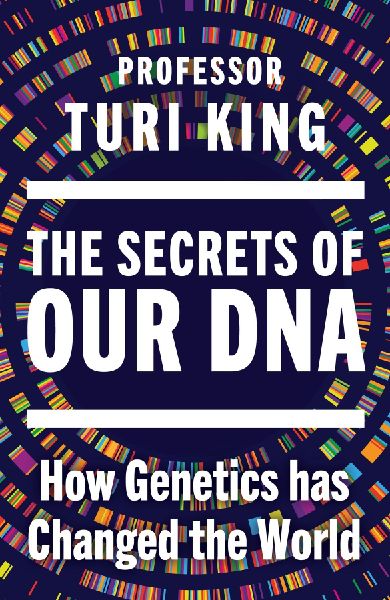
The Secrets of our DNA: How Genetics has Changed the World
-40% koodiga BOOKS
Meie tarnija laos
TOP

Janeway's Immunobiology
Leslie J. Berg, Kenneth Murphy, Casey Weaver
-40% koodiga BOOKS
Meie tarnija laos
TOP

How to Solve it: A New Aspect of Mathematical Method
-40% koodiga BOOKS
Meie tarnija laos
TOP
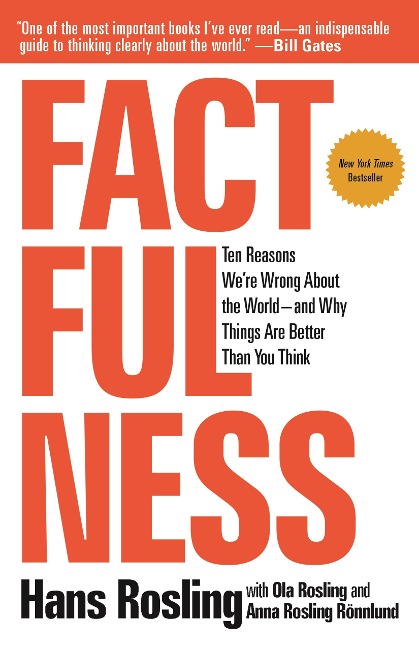
Factfulness: Ten Reasons We're Wrong About the World--and Why Things Are Better Than You Think
Ola Rosling, Anna Rosling Rönnlund, Hans Rosling
-40% koodiga BOOKS
Meie tarnija laos
TOP
Why Machines Learn: The Elegant Maths Behind Modern AI
-40% koodiga BOOKS
Meie tarnija laos
TOP

The Feynman Lectures on Physics. The New Millennium Edition
Matthew Sands, Robert Leighton, Richard Feynman
-40% koodiga BOOKS
Meie tarnija laos
 TOP
TOP
Entangled Life: How Fungi Make Our Worlds, Change Our Minds and Shape Our Futures
-40% koodiga BOOKS
Meie tarnija laos
TOP

Life As No One Knows It: The Physics of Life's Emergence
-40% koodiga BOOKS
Meie tarnija laos
TOP
The Rise and Reign of the Mammals: A New History, from the Shadow of the Dinosaurs to Us
-40% koodiga BOOKS
Meie tarnija laos
TOP
Learn Faster, Perform Better: A Musician's Guide to the Neuroscience of Practicing
-40% koodiga BOOKS
Meie tarnija laos
TOP
The Brain That Changes Itself: Stories of Personal Triumph from the Frontiers of Brain Science
-40% koodiga BOOKS
Meie tarnija laos
Kirjeldus
With possible exception of the atomic clock, the heart may be the most perfect machine ever devised. How it develops from a simple embryonic tube is a fascinating story of biology and lends a great deal of insight into the source of heart defects that affect children and adults alike. Central to this entire lecture is the fact that the fetus resides in an aquatic environment. Oxygenated blood arrives from the placenta and deoxygenated returns to the placenta. The lungs play no role in delivering oxygen or removing carbon dioxide to or from the circulation. Thus, the fetus mainly (but not exclusively) requires a three-chambered heart rather than the fourchambered heart that we are all familiar with. This resembles fish circulation in which blood leaves the heart into an aortic sac from which emanate the aortic arches that deliver blood to the gills, where it is oxygenated and CO2 is removed. Blood then goes to the dorsal aortae for nourishing the body tissues. In a fish there is no need for a four-chambered heart, since fish do not use lungs to aerate the blood or remove CO2. Although the fetus lacks gills and still develops a four-chambered heart, much of fetal circulatory physiology depends on a "quasi-three-chambered circulation" that bypasses the pulmonary circulation. Upon birth, this "aquatic" circulation must change within minutes to permit lung function. The topics to follow trace how this circulation develops and how it changes upon birth. Table of Contents: Fetal and Embryonic Hematopoiesis / Formation of the Precardiac Mesoderm and Fate Mapping During Gastrulation / Tubular Heart / Cardiac Looping / Pericardial Cavity / Endocardial Cushions / Atrial Septation / Ventricular Septation / Partitioning of the Bulbus Cordis and Truncus Arteriosus / Conducting System / Cell Lineages During Heart Development / Circulation at Term and Changes upon Birth / Recommended Readings
Lisateave
| Autor | Donald A. Fischman |
|---|---|
| Kirjastaja | Biota Publishing |
| Väljalaskeaasta | 2009 |
| Kaanetüüp | Pehme kaanega |
| EAN | 9781615040001 |