
Implicit knowledge and social capital - Stefan Krauss
-40% koodiga BOOKS
Saadetis 15-21 tööpäeva jooksul
30-päevane tagastamisõigus
Essay from the year 2004 in the subject Philosophy - Miscellaneous, grade: HD, Murdoch University (Institute for Sustainability and Technology Policy), course: Self, Sustainability and Society, language: English, abstract: The Brundtland report introduced in the 1980's the terminus Sustainability. In this term there is obviously much more included as simply eco friendly or environmentally sound. In the firs ... Täielik kirjeldus
Võib-olla meeldib sulle ka
 TOP
TOP

How Not to Be Wrong: The Power of Mathematical Thinking
-40% koodiga BOOKS
Meie tarnija laos
TOP

The Holy Bible - King James Version (KJV): Popular Gift & Award Black Leatherette Edition
-40% koodiga BOOKS
Meie tarnija laos
 TOP
TOP
The Daily Stoic: 366 Meditations on Wisdom, Perseverance, and the Art of Living: Featuring new translations of Seneca, Epictetus, and Marcus Aurelius
Stephen Hanselman, Ryan Holiday
-40% koodiga BOOKS
Laos
TOP
Ikigai: The Japanese secret to a long and happy life
Francesc Miralles, Héctor García
-40% koodiga BOOKS
Laos
TOP
The Artist's Way: A Spiritual Path to Higher Creativity
-40% koodiga BOOKS
Meie tarnija laos
TOP


Original Sin: The Genetics of Wrongdoing, the Problem of Blame and the Future of Forgiveness
-40% koodiga BOOKS
Meie tarnija laos
TOP
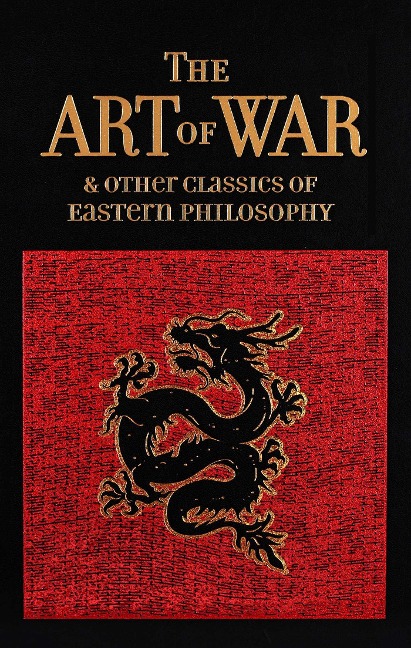
The Art of War & Other Classics of Eastern Philosophy
Mencius, Lao-Tzu, Confucius, Sun Tzu
-40% koodiga BOOKS
Meie tarnija laos

 TOP
TOP

The Power of Now: A Guide to Spiritual Enlightenment
-40% koodiga BOOKS
Laos
TOP

The Café on the Edge of the World: A Story About the Meaning of Life
-40% koodiga BOOKS
Meie tarnija laos
 TOP
TOP
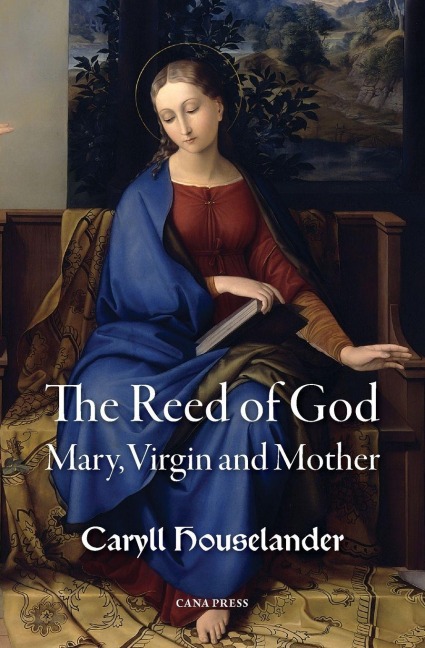
The Reed of God: Mary, Virgin and Mother
-40% koodiga BOOKS
Meie tarnija laos
 TOP
TOP

Antifragile: Things That Gain from Disorder
-40% koodiga BOOKS
Meie tarnija laos
 TOP
TOP
The 5 Levels of Leadership: Proven Steps to Maximize Your Potential
-40% koodiga BOOKS
Meie tarnija laos
TOP
Open Socrates: The Case for a Philosophical Life
-40% koodiga BOOKS
Meie tarnija laos
TOP
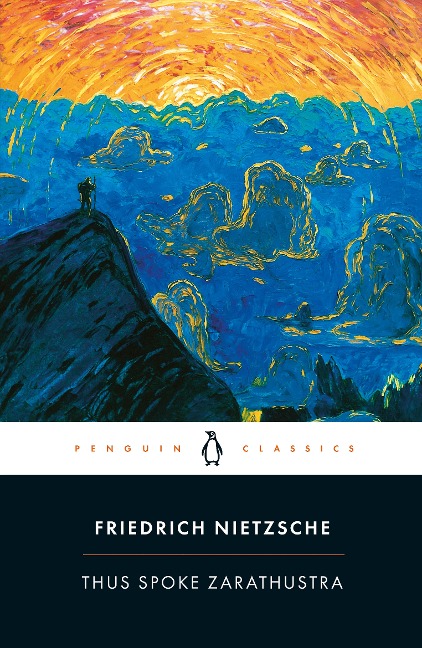
Thus Spoke Zarathustra: A Book for Everyone and No One
-40% koodiga BOOKS
Meie tarnija laos
Kirjeldus
Essay from the year 2004 in the subject Philosophy - Miscellaneous, grade: HD, Murdoch University (Institute for Sustainability and Technology Policy), course: Self, Sustainability and Society, language: English, abstract: The Brundtland report introduced in the 1980's the terminus Sustainability. In this term there is obviously much more included as simply eco friendly or environmentally sound. In the first instance, the term focuses on the discussion about the dealing with resources for the following generations. The popular three-pillar model of sustainability illuminates that the idea of sustainability orientates besides on ecological as well on economical and on social criteria. Obviously, the former on environmental-ecological issues restricted theme is widened on social concerns. This paper focuses on the social sphere of sustainability. The participation in the net of social relations is the wholeness of the actual and potential resources and is called social capital (Bourdieu 1992). A developed social capital is needed to make a 'strong' democracy (Barber 1984) work; a form of democracy that involves extending and enriching the present system of representative democracy through participation of interested citizens in the policy making process, strengthening a culture of deliberation and discussion, such that politics is seen as a communal learning process rather than a rivalry between fixed interests. It will be shown t hat the relationships between people are the bearer of social capital. These relationships, the core of the social, are formed by non-explicit knowledge. Non-explicit knowledge is widely accepted as a matter of course however, in it's meaning strongly underestimated. So, this paper starts with a classic of implicit knowledge (? 1) and continues by widening this concept into the social sphere (? 2). Finally, it brings together the concept of non-explicit knowledge with social capital and stresses its importance for sustainability (? 3).
Lisateave
| Autor | Stefan Krauss |
|---|---|
| Kirjastaja | GRIN Verlag |
| Väljalaskeaasta | 2014 |
| Kaanetüüp | Pehme kaanega |
| EAN | 9783656687085 |