
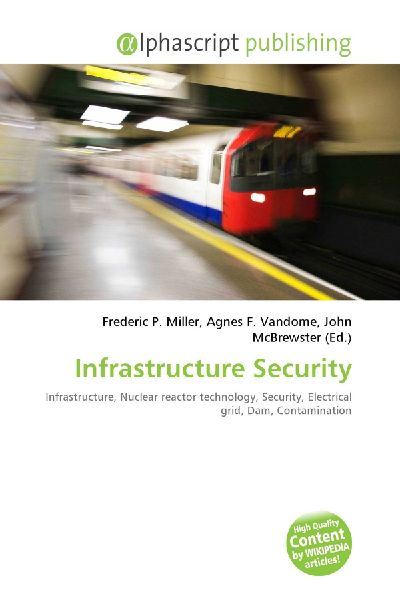
Infrastructure Security: Infrastructure, Nuclear reactor technology, Security, Electrical grid, Dam, Contamination -

-40% koodiga BOOKS
Saadetis 15-21 tööpäeva jooksul
30-päevane tagastamisõigus
Please note that the content of this book primarily consists of articles available from Wikipedia or other free sources online. Infrastructure security is the security provided to protect infrastructure, especially critical infrastructure, such as airports, highways rail transport, hospitals, bridges, transport hubs, network communications, media, the electricity grid, dams, nuclear reactors, seaports, oil ... Täielik kirjeldus
Võib-olla meeldib sulle ka

 TOP
TOP

If Anyone Builds It, Everyone Dies: The Case Against Superintelligent AI
Eliezer Yudkowsky, Nate Soares
-40% koodiga BOOKS
Meie tarnija laos
 TOP
TOP
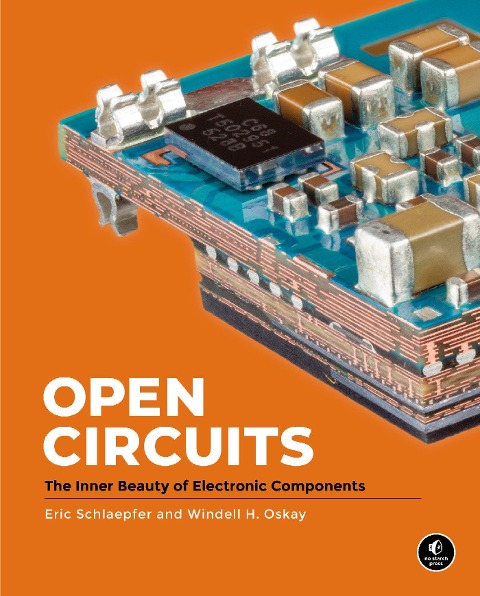
Open Circuits: The Inner Beauty of Electronic Components
Eric Schlaepfer, Windell Oskay
-40% koodiga BOOKS
Meie tarnija laos
TOP
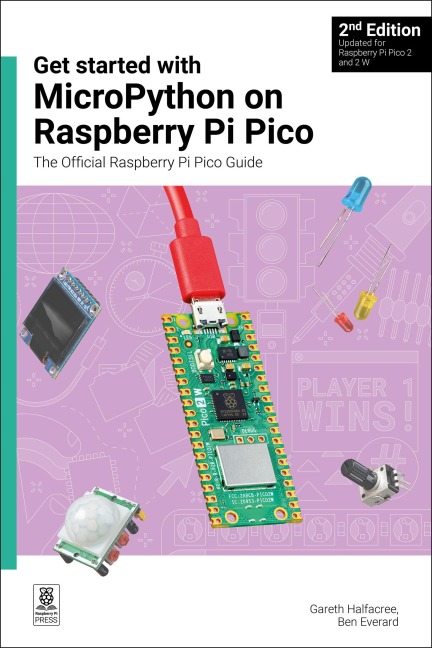
Get started with MicroPython on Raspberry Pi Pico: The Official Raspberry Pi Pico Guide
-40% koodiga BOOKS
Meie tarnija laos
TOP
We Are Not Machines: The Fight for the Future of Work
-40% koodiga BOOKS
Meie tarnija laos
TOP

Foundations of Flavor: The Noma Guide to Fermentation: Including Step-By-Step Information on Making and Cooking with: Koji, Kombuchas, Shoyus, Misos, Vinegars, Garums, Lacto-Ferments and black Fruits Vegetables
-40% koodiga BOOKS
Meie tarnija laos
TOP

Nucleo Boards Programming with the STM32CubeIDE: Hands-on in more than 50 projects
-40% koodiga BOOKS
Meie tarnija laos
TOP
Data-Driven Science and Engineering: Machine Learning, Dynamical Systems, and Control
Steven L. Brunton, J. Nathan Kutz
-40% koodiga BOOKS
Meie tarnija laos
TOP
Black Holes: The Key to Understanding the Universe
-40% koodiga BOOKS
Meie tarnija laos
 TOP
TOP

Flowers For Algernon: A Modern Literary Classic
-40% koodiga BOOKS
Meie tarnija laos
TOP

Human Compatible: Artificial Intelligence and the Problem of Control
-40% koodiga BOOKS
Meie tarnija laos
TOP
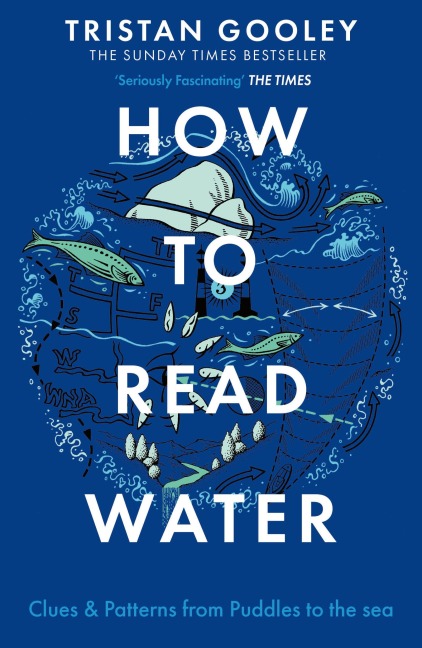
How To Read Water: Clues & Patterns from Puddles to the Sea
-40% koodiga BOOKS
Meie tarnija laos
TOP
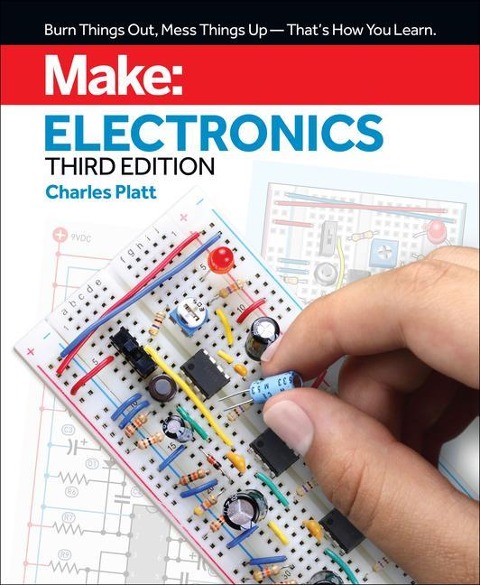
Make: Electronics: Learning by Discovery: A hands-on primer for the new electronics enthusiast
-40% koodiga BOOKS
Meie tarnija laos
TOP

Mastering the Arduino Uno R4: Programming and Projects for the Minima and WiFi
-40% koodiga BOOKS
Meie tarnija laos
TOP

The Idea Factory: Bell Labs and the Great Age of American Innovation
-40% koodiga BOOKS
Meie tarnija laos
TOP

Fundamentals of Aerodynamics ISE
Christopher Cadou, John D. Anderson
-40% koodiga BOOKS
Meie tarnija laos

Kirjeldus
Lisateave
| Kirjastaja | OmniScriptum |
|---|---|
| Väljalaskeaasta | 2026 |
| Kaanetüüp | Pehme kaanega |
| EAN | 9786133739390 |