
Mathematical Models for Handling Partial Knowledge in Artificial Intelligence -

-40% koodiga BOOKS
Saadetis 12-18 tööpäeva jooksul
30-päevane tagastamisõigus
Knowledge acquisition is one of the most important aspects influencing the quality of methods used in artificial intelligence and the reliability of expert systems. The various issues dealt with in this volume concern many different approaches to the handling of partial knowledge and to the ensuing methods for reasoning and decision making under uncertainty, as applied to problems in artificial intelligence ... Täielik kirjeldus
Võib-olla meeldib sulle ka

 TOP
TOP

Unreasonable Hospitality: The Remarkable Power of Giving People More Than They Expect
-40% koodiga BOOKS
Meie tarnija laos
 TOP
TOP

Never Split the Difference: Negotiating as if Your Life Depended on It
-40% koodiga BOOKS
Laos
TOP
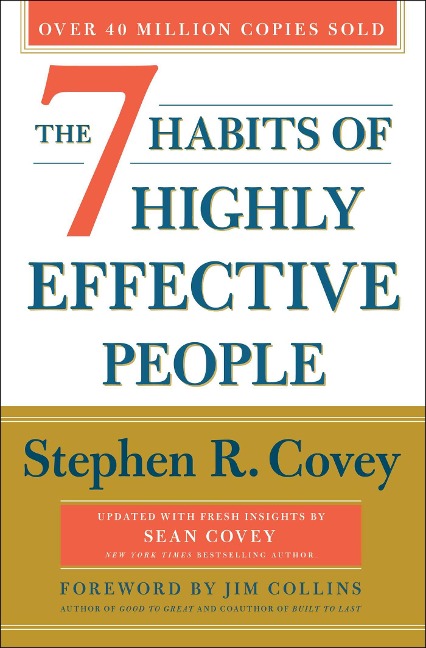
The 7 Habits of Highly Effective People. 30th Anniversary Edition: Powerful Lessons in Personal Change
Jim Collins, Sean Covey, Stephen R. Covey
-40% koodiga BOOKS
Laos
TOP

Radical Candor: Be a Kick-Ass Boss Without Losing Your Humanity
-40% koodiga BOOKS
Meie tarnija laos
TOP

The Psychology of Money: Timeless Lessons on Wealth, Greed, and Happiness
-40% koodiga BOOKS
Laos
TOP

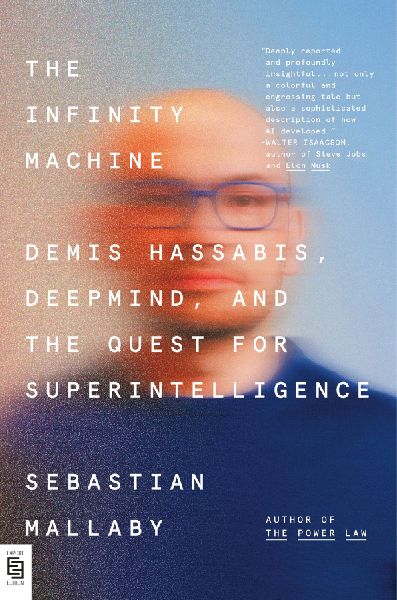
The Infinity Machine: Demis Hassabis, DeepMind, and the Quest for Superintelligence
-40% koodiga BOOKS
Meie tarnija laos
TOP

Legacy: What The All Blacks Can Teach Us About The Business Of Life
-40% koodiga BOOKS
Meie tarnija laos
TOP

Atomic Habits: An Easy & Proven Way to Build Good Habits & Break Bad Ones
-40% koodiga BOOKS
Meie tarnija laos
TOP

Vienna: How the City of Ideas Created the Modern World
-40% koodiga BOOKS
Meie tarnija laos
TOP

1873: The Rothschilds, the First Great Depression, and the Making of the Modern World
-40% koodiga BOOKS
Meie tarnija laos
TOP

E-Myth Revisited: Why Most Small Businesses Don't Work and What to Do About It
-40% koodiga BOOKS
Meie tarnija laos
TOP
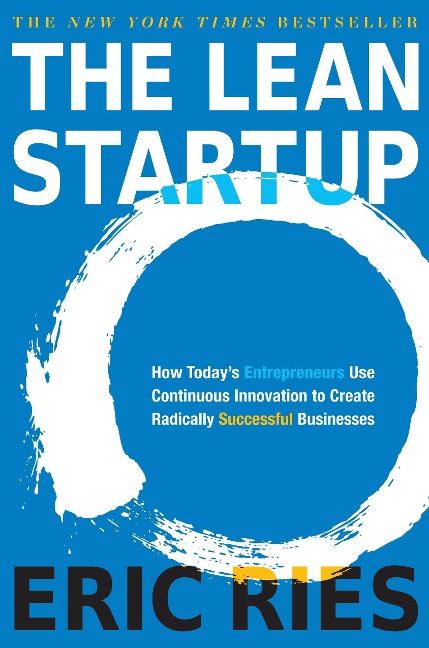
The Lean Startup: How Today's Entrepreneurs Use Continuous Innovation to Create Radically Successful Businesses
-40% koodiga BOOKS
Laos
TOP

Radical Candor: Be a Kick-Ass Boss Without Losing Your Humanity
-40% koodiga BOOKS
Meie tarnija laos
TOP
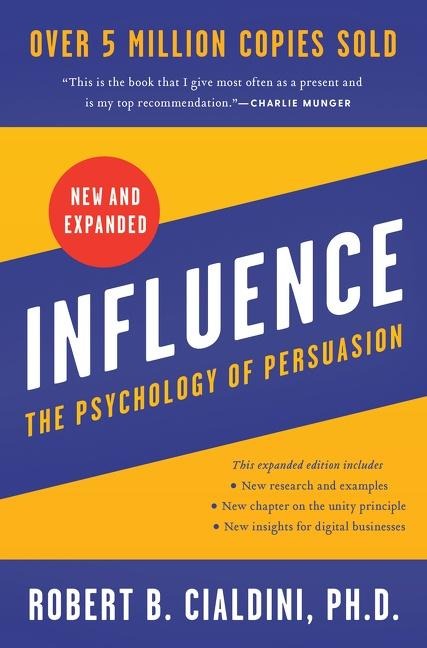
Influence: The Psychology of Persuasion
-40% koodiga BOOKS
Meie tarnija laos
TOP

Co-Intelligence: Living and Working with AI
-40% koodiga BOOKS
Meie tarnija laos
TOP

The First 90 Days: Proven Straegies for Getting up to Speed faster and smarter
-40% koodiga BOOKS
Meie tarnija laos
TOP

Surrounded by Idiots Revised & Expanded Edition: The Four Types of Human Behavior and How to Effectively Communicate with Each in Business (and in Life)
-40% koodiga BOOKS
Meie tarnija laos
TOP

The Common Good Economy: A New Compass
-40% koodiga BOOKS
Meie tarnija laos
Kirjeldus
Knowledge acquisition is one of the most important aspects influencing the quality of methods used in artificial intelligence and the reliability of expert systems. The various issues dealt with in this volume concern many different approaches to the handling of partial knowledge and to the ensuing methods for reasoning and decision making under uncertainty, as applied to problems in artificial intelligence. The volume is composed of the invited and contributed papers presented at the Workshop on Mathematical Models for Handling Partial Knowledge in Artificial Intelligence, held at the Ettore Majorana Center for Scientific Culture of Erice (Sicily, Italy) on June 19-25, 1994, in the framework of the International School of Mathematics "G.Stampacchia". It includes also a transcription of the roundtable held during the workshop to promote discussions on fundamental issues, since in the choice of invited speakers we have tried to maintain a balance between the various schools of knowl edge and uncertainty modeling. Choquet expected utility models are discussed in the paper by Alain Chateauneuf: they allow the separation of perception of uncertainty or risk from the valuation of outcomes, and can be of help in decision mak ing. Petr Hajek shows that reasoning in fuzzy logic may be put on a strict logical (formal) basis, so contributing to our understanding of what fuzzy logic is and what one is doing when applying fuzzy reasoning.
Lisateave
| Kirjastaja | Springer New York |
|---|---|
| Väljalaskeaasta | 2013 |
| Kaanetüüp | Pehme kaanega |
| EAN | 9781489914262 |