
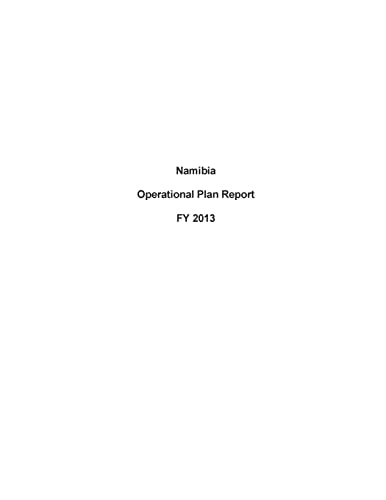
Namibia Operational Plan Report FY 2013 - United States Department of State
-40% koodiga BOOKS
Saadetis 10-16 tööpäeva jooksul
30-päevane tagastamisõigus
Namibia is one of Africa's largest, yet least densely populated nations. With an estimated population of 2.1 million and a land-mass slightly more than half the size of Alaska (825,400 sq.km.), Namibia's people are distributed unevenly in urban centers and rural communities across enormous distances with a population density of 2.8 people/sq.km. Namibia's projected population growth rate remains at 1.87%, a ... Täielik kirjeldus
Võib-olla meeldib sulle ka
 TOP
TOP

The Culture Map: Breaking Through the Invisible Boundaries of Global Business
-40% koodiga BOOKS
Laos
TOP

Atomic Habits: An Easy & Proven Way to Build Good Habits & Break Bad Ones
-40% koodiga BOOKS
Laos
TOP


The Nord Stream Conspiracy: The Inside Story of the Explosions That Shook the World
-40% koodiga BOOKS
Meie tarnija laos
TOP

Women Who Run with the Wolves: Myths and Stories of the Wild Woman Archetype
Clarissa Pinkola Estés, Clarissa Pinkola Estes
-40% koodiga BOOKS
Meie tarnija laos
 TOP
TOP
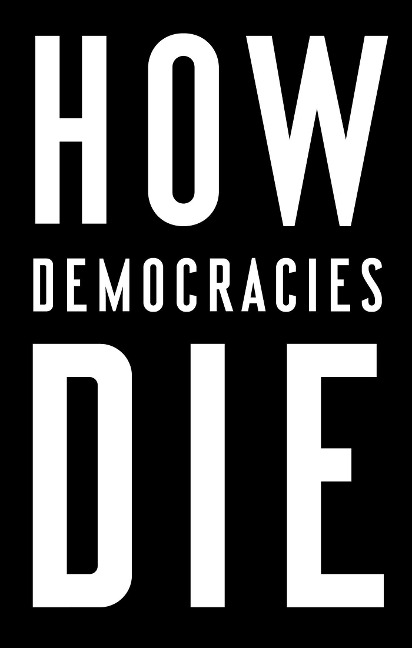
How Democracies Die
Steven Levitsky, Daniel Ziblatt
-40% koodiga BOOKS
Meie tarnija laos
 TOP
TOP
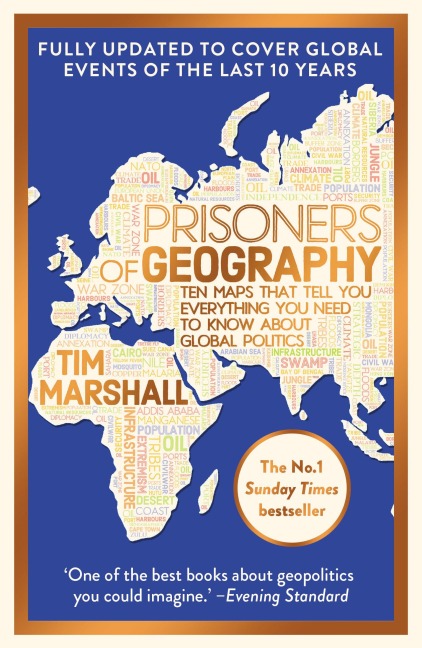
Prisoners of Geography: Updated 10th Anniversary Edition: Ten Maps That Tell You Everything You Need To Know About Global Politics
-40% koodiga BOOKS
Meie tarnija laos
TOP

Classic Football Shirts
Classic Football Shirts, Rory Smith
-40% koodiga BOOKS
Meie tarnija laos
 TOP
TOP

The Whole-Brain Child: 12 Revolutionary Strategies to Nurture Your Child's Developing Mind
Daniel J. Siegel, Tina Payne Bryson
-40% koodiga BOOKS
Meie tarnija laos
 TOP
TOP

Everything I Know About Love: Now a Major BBC One Series
-40% koodiga BOOKS
Laos
TOP

Braiding Sweetgrass: Indigenous Wisdom, Scientific Knowledge and the Teachings of Plants
-40% koodiga BOOKS
Meie tarnija laos
TOP

The Unabridged Journals of Sylvia Plath
-40% koodiga BOOKS
Meie tarnija laos
TOP

To Kill a Mockingbird. 60th Anniversary Edition
-40% koodiga BOOKS
Meie tarnija laos
 TOP
TOP
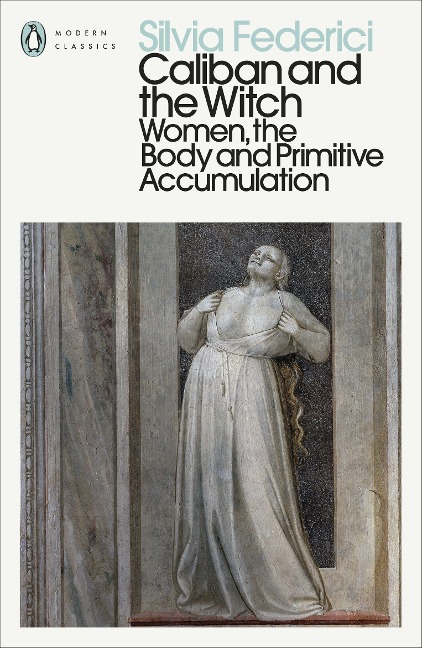
Caliban and the Witch: Women, the Body and Primitive Accumulation
-40% koodiga BOOKS
Meie tarnija laos

Kirjeldus
Lisateave
| Autor | United States Department of State |
|---|---|
| Kirjastaja | CreateSpace Independent Publishing Platform |
| Väljalaskeaasta | 2014 |
| Kaanetüüp | Pehme kaanega |
| EAN | 9781503194243 |