
Our Ending Conquest - Richard John Kosciejew

-40% koodiga BOOKS
Saadetis 15-21 tööpäeva jooksul
30-päevane tagastamisõigus
Early hominids made stone artifacts either by smashing rocks between a hammer and anvil (known as the bipolar technique) to produce usable pieces or through the regulating and directly controlled process as termed flaking, in which stone chips were fractured away from a larger rock striking it with a hammer of stone or other hard material. Subsequently, during the lingering existence of, say, ten thousand y ... Täielik kirjeldus
Võib-olla meeldib sulle ka
 TOP
TOP

The Culture Map: Breaking Through the Invisible Boundaries of Global Business
-40% koodiga BOOKS
Laos
TOP

Atomic Habits: An Easy & Proven Way to Build Good Habits & Break Bad Ones
-40% koodiga BOOKS
Laos
TOP


The Nord Stream Conspiracy: The Inside Story of the Explosions That Shook the World
-40% koodiga BOOKS
Meie tarnija laos
TOP

Women Who Run with the Wolves: Myths and Stories of the Wild Woman Archetype
Clarissa Pinkola Estés, Clarissa Pinkola Estes
-40% koodiga BOOKS
Meie tarnija laos
 TOP
TOP

How Democracies Die
Steven Levitsky, Daniel Ziblatt
-40% koodiga BOOKS
Meie tarnija laos
 TOP
TOP

Prisoners of Geography: Updated 10th Anniversary Edition: Ten Maps That Tell You Everything You Need To Know About Global Politics
-40% koodiga BOOKS
Meie tarnija laos
TOP

Classic Football Shirts
Classic Football Shirts, Rory Smith
-40% koodiga BOOKS
Meie tarnija laos
 TOP
TOP

The Whole-Brain Child: 12 Revolutionary Strategies to Nurture Your Child's Developing Mind
Daniel J. Siegel, Tina Payne Bryson
-40% koodiga BOOKS
Meie tarnija laos
 TOP
TOP

Everything I Know About Love: Now a Major BBC One Series
-40% koodiga BOOKS
Laos
TOP

Braiding Sweetgrass: Indigenous Wisdom, Scientific Knowledge and the Teachings of Plants
-40% koodiga BOOKS
Meie tarnija laos
TOP

The Unabridged Journals of Sylvia Plath
-40% koodiga BOOKS
Meie tarnija laos
TOP

To Kill a Mockingbird. 60th Anniversary Edition
-40% koodiga BOOKS
Meie tarnija laos
 TOP
TOP

The Testaments: The Sequel to The Handmaid's Tale
-40% koodiga BOOKS
Meie tarnija laos
TOP
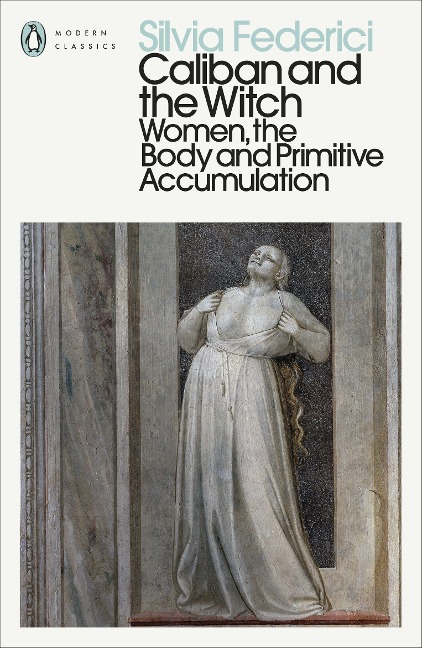
Caliban and the Witch: Women, the Body and Primitive Accumulation
-40% koodiga BOOKS
Meie tarnija laos
Kirjeldus
Early hominids made stone artifacts either by smashing rocks between a hammer and anvil (known as the bipolar technique) to produce usable pieces or through the regulating and directly controlled process as termed flaking, in which stone chips were fractured away from a larger rock striking it with a hammer of stone or other hard material. Subsequently, during the lingering existence of, say, ten thousand years, the diversity in techniques for producing masonry artifacts-including pecking, grinding, sawing, and boring-became additionally familiar. The best rocks for flaking tended to be hard, fine-grained, or amorphous (having no crystal structure) rocks, including lava, obsidian, ignimbrites, flint, chert, quartz, silicified limestone, quartzite, and indurated shale. Ground-stone tools could be made on a wider range of raw material types, including coarser grained rock such as granite.
Lisateave
| Autor | Richard John Kosciejew |
|---|---|
| Kirjastaja | AuthorHouse |
| Väljalaskeaasta | 2018 |
| Kaanetüüp | Pehme kaanega |
| EAN | 9781546259374 |