
Progress in Botany 67 -
-40% koodiga BOOKS
Saadetis 12-18 tööpäeva jooksul
30-päevane tagastamisõigus
Completing the primary genomic sequence of Arabidopsis thaliana was a major milestone, being the first plant genome and well established as the premiere model species in plant biology. Since working drafts of rice (Oryza sativa L.) genome became available (Yu et al. 2002), it has become the s- ond-best model organism in plants representing monocotyledons. Understanding how the genome sequence comprehensivel ... Täielik kirjeldus
Võib-olla meeldib sulle ka
 TOP
TOP

Determined: The Science of Life Without Free Will
-40% koodiga BOOKS
Meie tarnija laos
 TOP
TOP
The Rise and Fall of the Dinosaurs: A New History of a Lost World
-40% koodiga BOOKS
Meie tarnija laos
TOP

Factfulness: Ten Reasons We're Wrong About the World--and Why Things Are Better Than You Think
Ola Rosling, Anna Rosling Rönnlund, Hans Rosling
-40% koodiga BOOKS
Meie tarnija laos
TOP
Biology: A Global Approach, Global Edition
Neil Campbell, Rebecca Orr, Lisa Urry, Peter Minorsky, Michael Cain, Jane Reece, Steven Wasserman
-40% koodiga BOOKS
Meie tarnija laos
TOP

Six Not-so-easy Pieces: Einstein's Relativity, Symmetry, and Space-Time
Richard P. Feynman, Robert B. Leighton, Matthew Sands
-40% koodiga BOOKS
Meie tarnija laos
TOP
Entangled Life: How Fungi Make Our Worlds, Change Our Minds and Shape Our Futures
-40% koodiga BOOKS
Meie tarnija laos
TOP
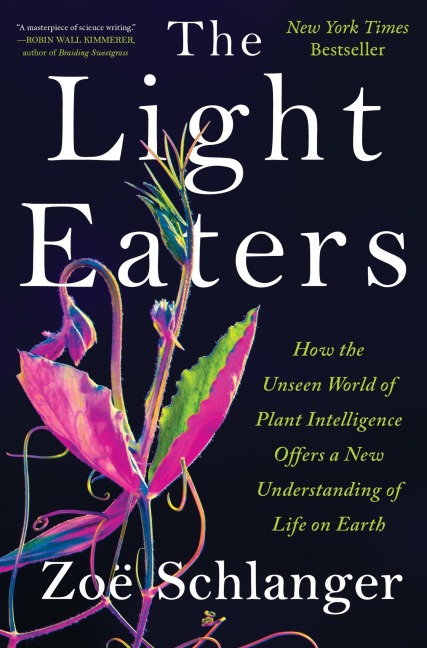
The Light Eaters: How the Unseen World of Plant Intelligence Offers a New Understanding of Life on Earth
-40% koodiga BOOKS
Meie tarnija laos
TOP

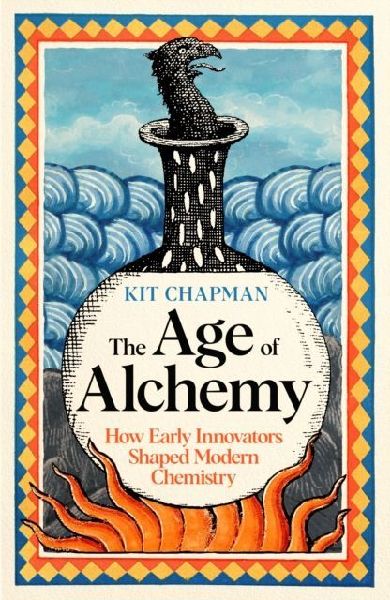
The Age of Alchemy: How Early Innovators Shaped Modern Chemistry
-40% koodiga BOOKS
Meie tarnija laos
TOP
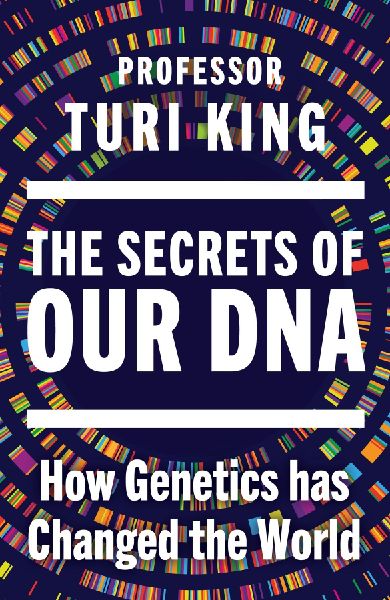
The Secrets of our DNA: How Genetics has Changed the World
-40% koodiga BOOKS
Meie tarnija laos
TOP

Janeway's Immunobiology
Leslie J. Berg, Kenneth Murphy, Casey Weaver
-40% koodiga BOOKS
Meie tarnija laos
TOP
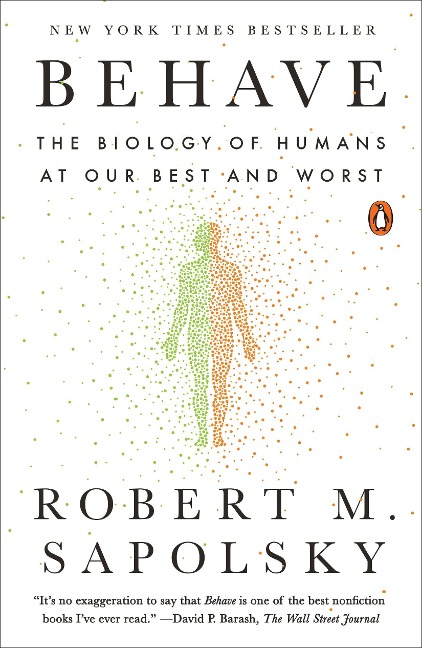
Behave: The Biology of Humans at Our Best and Worst
-40% koodiga BOOKS
Meie tarnija laos
TOP
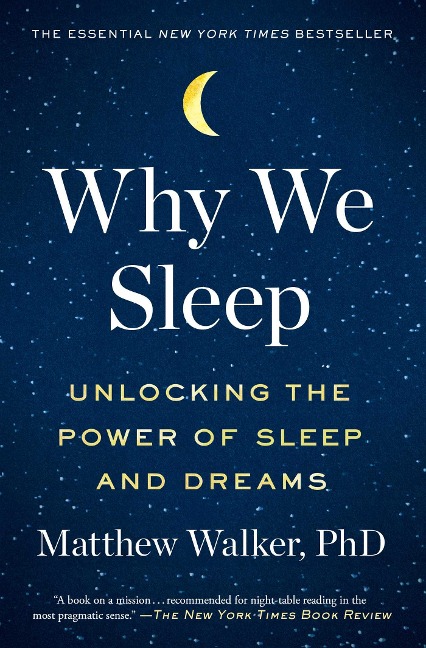
Why We Sleep: Unlocking the Power of Sleep and Dreams
-40% koodiga BOOKS
Laos
TOP
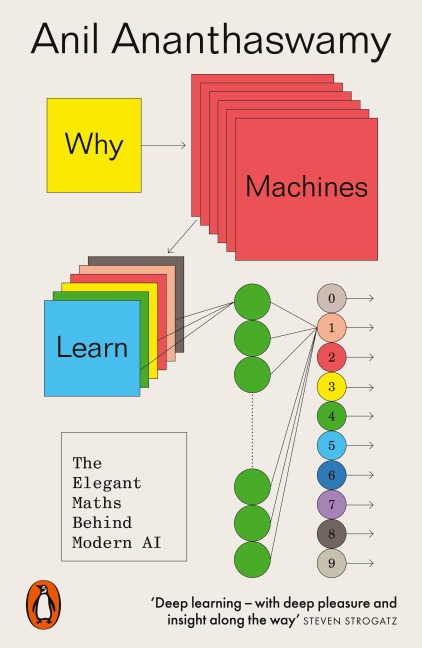
Why Machines Learn: The Elegant Maths Behind Modern AI
-40% koodiga BOOKS
Meie tarnija laos
TOP

Life As No One Knows It: The Physics of Life's Emergence
-40% koodiga BOOKS
Meie tarnija laos
TOP
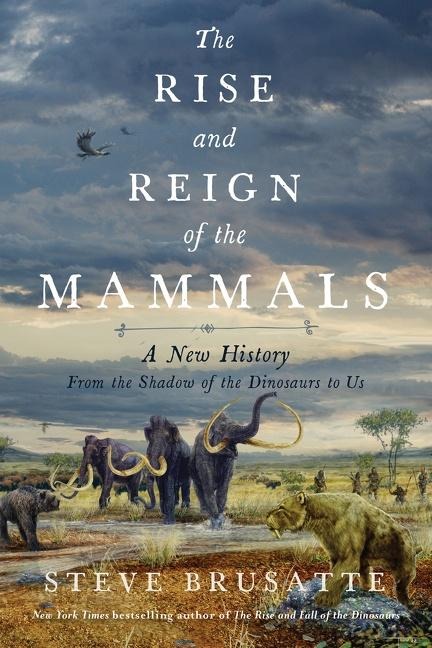
The Rise and Reign of the Mammals: A New History, from the Shadow of the Dinosaurs to Us
-40% koodiga BOOKS
Meie tarnija laos
TOP
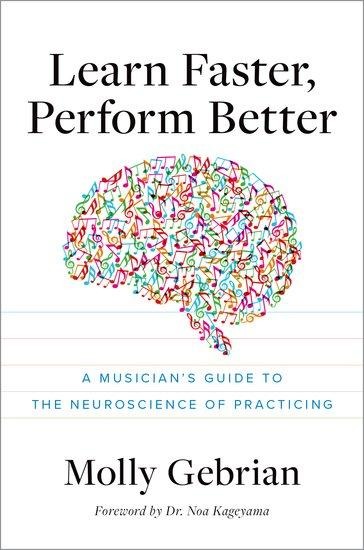
Learn Faster, Perform Better: A Musician's Guide to the Neuroscience of Practicing
-40% koodiga BOOKS
Meie tarnija laos
TOP
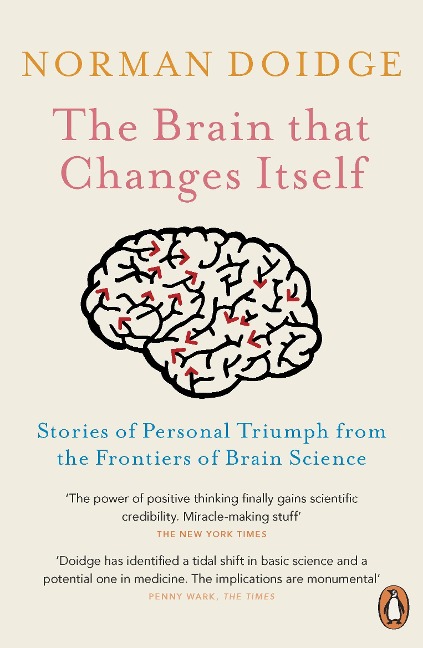
The Brain That Changes Itself: Stories of Personal Triumph from the Frontiers of Brain Science
-40% koodiga BOOKS
Meie tarnija laos
 TOP
TOP

How to Solve it: A New Aspect of Mathematical Method
-40% koodiga BOOKS
Meie tarnija laos
Kirjeldus
Completing the primary genomic sequence of Arabidopsis thaliana was a major milestone, being the first plant genome and well established as the premiere model species in plant biology. Since working drafts of rice (Oryza sativa L.) genome became available (Yu et al. 2002), it has become the s- ond-best model organism in plants representing monocotyledons. Understanding how the genome sequence comprehensively encodes de- lopmental programs and environmental responses is the next major ch- lenge for all plant genome projects. This requires functional characterization of genes, including identification of regulatory sequences. Several functional genomics approaches were initiated to decode the linear sequence of the model plant Arabidopsis thaliana, including full-length cDNA collections, microarrays, natural variation, knockout collections, and comparative sequence analysis (Borevitz and Ecker 2004). Genomics provides the ess- tial tools to speed up the research work of the traditional molecular gene- cist, and is now a scientific discipline in its own right (Borevitz and Ecker 2004).
Lisateave
| Kirjastaja | Springer Berlin Heidelberg |
|---|---|
| Series | Progress in Botany |
| Väljalaskeaasta | 2014 |
| Kaanetüüp | Pehme kaanega |
| EAN | 9783642442025 |