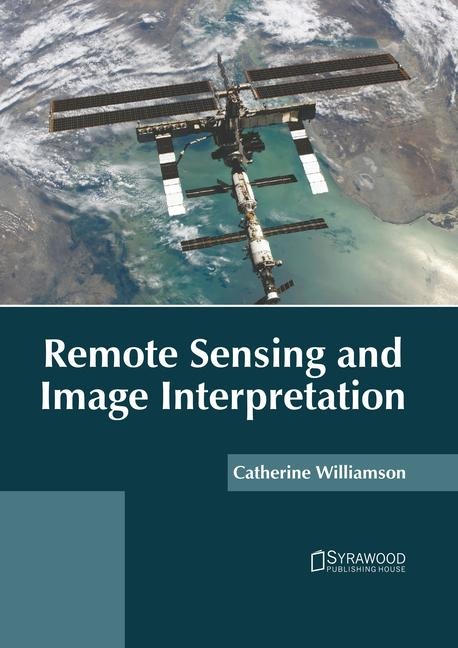
Remote Sensing and Image Interpretation -
-40% koodiga BOOKS
Saadetis 10-16 tööpäeva jooksul
30-päevane tagastamisõigus
Remote sensing is a type of geospatial technology that is used to acquire information about an object or phenomenon without making any physical contact. Some major advantages of remote sensing include observation and monitoring of surface area and objects, and collecting information over large spatial areas. It is used to characterize physical objects or natural features on the ground. Data collected throug ... Täielik kirjeldus
Võib-olla meeldib sulle ka
 TOP
TOP


Ocean: Earth's Last Wilderness
David Attenborough, Colin Butfield
-40% koodiga BOOKS
Meie tarnija laos
TOP
This Way Up: When Maps Go Wrong (and Why it Matters)
-40% koodiga BOOKS
Meie tarnija laos
TOP

They Poisoned the World: Life and Death in the Age of Forever Chemicals
-40% koodiga BOOKS
Meie tarnija laos
TOP
This Way Up: When Maps Go Wrong (and Why it Matters)
-40% koodiga BOOKS
Meie tarnija laos
TOP

The Word for World Is Water: World-Building and Creative Resistance Through Liquid Alliances
-40% koodiga BOOKS
Meie tarnija laos
TOP

The Forest Unseen: A Year's Watch in Nature
-40% koodiga BOOKS
Meie tarnija laos
TOP
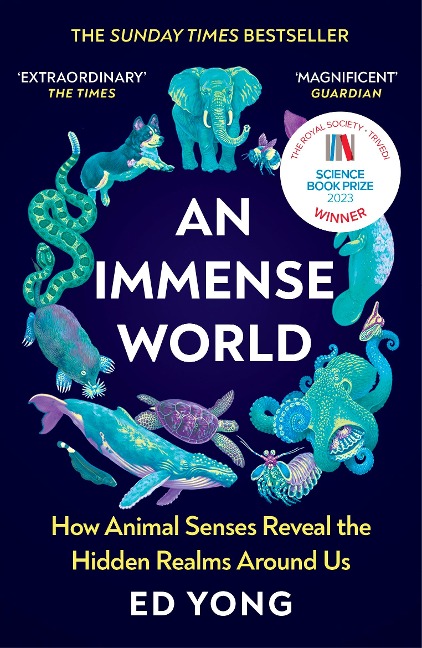
An Immense World: How Animal Senses Reveal the Hidden Realms Around Us
-40% koodiga BOOKS
Meie tarnija laos
 TOP
TOP

Statistical Rethinking: A Bayesian Course with Examples in R and STAN
-40% koodiga BOOKS
Meie tarnija laos
TOP

All We Can Save: Truth, Courage, and Solutions for the Climate Crisis
-40% koodiga BOOKS
Meie tarnija laos
TOP
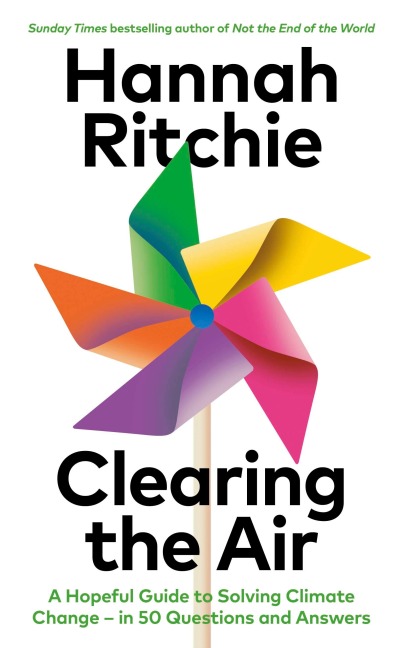
Clearing the Air: A Hopeful Guide to Solving Climate Change - in 50 Questions and Answers
-40% koodiga BOOKS
Meie tarnija laos
TOP
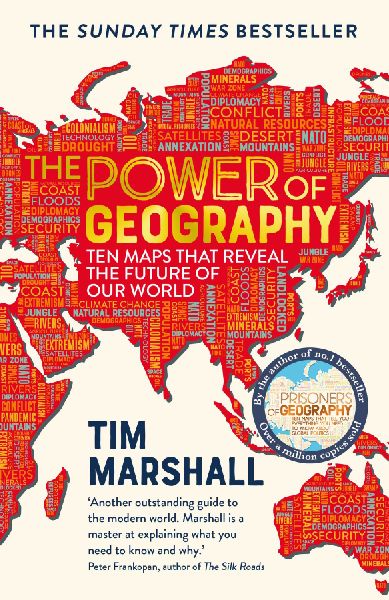
The Power of Geography: Ten Maps That Reveal the Future of Our World
-40% koodiga BOOKS
Meie tarnija laos
TOP
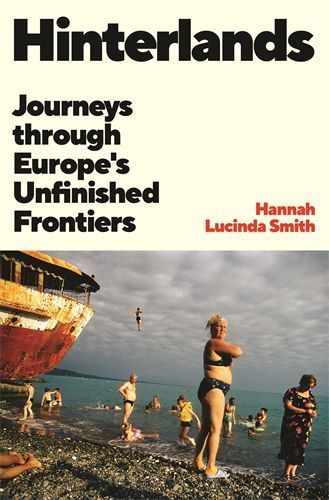
Hinterlands: Journeys through Europe's Unfinished Frontiers
-40% koodiga BOOKS
Meie tarnija laos
 TOP
TOP
Less is More: How Degrowth Will Save the World
-40% koodiga BOOKS
Meie tarnija laos
TOP

Stahl's Essential Psychopharmacology: Neuroscientific Basis and Practical Applications
-40% koodiga BOOKS
Meie tarnija laos
TOP
The Earth Transformed: An Untold History
-40% koodiga BOOKS
Meie tarnija laos
TOP
Last Chance to See
Douglas Adams, Mark Carwardine
-40% koodiga BOOKS
Meie tarnija laos
TOP

The Hidden Life of Trees: What They Feel, How They Communicate
-40% koodiga BOOKS
Meie tarnija laos
TOP

Nature's Last Dance: 'Will leave you surging with a desire to make the planet a better place' Professor Adam Hart
-40% koodiga BOOKS
Meie tarnija laos
Kirjeldus
Remote sensing is a type of geospatial technology that is used to acquire information about an object or phenomenon without making any physical contact. Some major advantages of remote sensing include observation and monitoring of surface area and objects, and collecting information over large spatial areas. It is used to characterize physical objects or natural features on the ground. Data collected through remote sensing is used with other available data, which helps to facilitate decision-making. Remote sensing imagery must be interpreted in order to derive meaningful information. Image interpretation involves identifying and measuring various targets (features or objects) in an image. Before image analysis, the images can also be processed digitally. The results of image interpretation can be used for various applications such as classifying and categorizing vegetation and water management. This book unravels the recent studies on remote sensing and image interpretation. It will serve as a valuable source of reference for graduate and postgraduate students.
Lisateave
| Kirjastaja | Syrawood Publishing House |
|---|---|
| Väljalaskeaasta | 2023 |
| Kaanetüüp | Kõvakaaneline |
| EAN | 9781647404031 |