
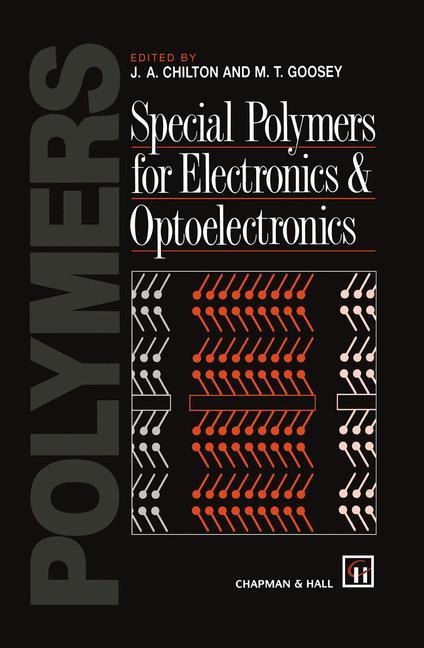
Special Polymers for Electronics and Optoelectronics -
-40% koodiga BOOKS
Saadetis 12-18 tööpäeva jooksul
30-päevane tagastamisõigus
Commercially successful fully synthetic polymeric materials were pro duced in the early years of this century, the first example being Bakelite. This was made from phenol and formaldehyde by Leo Bakeland in 1909. Before the end of the 1920s, a large number of other synthetic polymers had been created, including polyvinyl chloride and urea-formaldehyde. Today, there are literally hundreds of synthetic polym ... Täielik kirjeldus
Võib-olla meeldib sulle ka


 TOP
TOP

If Anyone Builds It, Everyone Dies: The Case Against Superintelligent AI
Eliezer Yudkowsky, Nate Soares
-40% koodiga BOOKS
Meie tarnija laos
 TOP
TOP
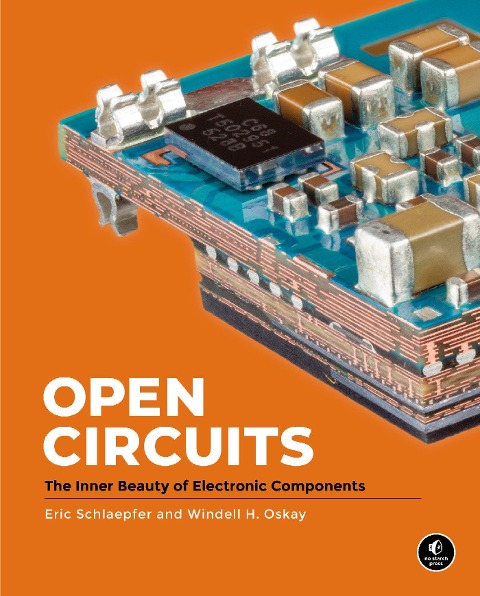
Open Circuits: The Inner Beauty of Electronic Components
Eric Schlaepfer, Windell Oskay
-40% koodiga BOOKS
Meie tarnija laos
TOP
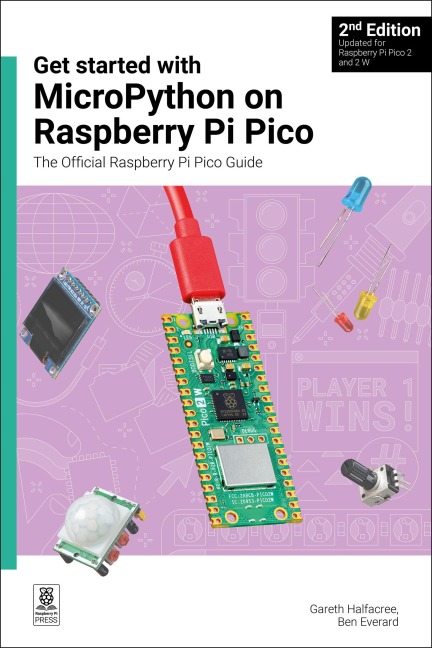
Get started with MicroPython on Raspberry Pi Pico: The Official Raspberry Pi Pico Guide
-40% koodiga BOOKS
Meie tarnija laos
TOP


We Are Not Machines: The Fight for the Future of Work
-40% koodiga BOOKS
Meie tarnija laos
TOP

Foundations of Flavor: The Noma Guide to Fermentation: Including Step-By-Step Information on Making and Cooking with: Koji, Kombuchas, Shoyus, Misos, Vinegars, Garums, Lacto-Ferments and black Fruits Vegetables
-40% koodiga BOOKS
Meie tarnija laos
TOP

Nucleo Boards Programming with the STM32CubeIDE: Hands-on in more than 50 projects
-40% koodiga BOOKS
Meie tarnija laos
TOP

Data-Driven Science and Engineering: Machine Learning, Dynamical Systems, and Control
Steven L. Brunton, J. Nathan Kutz
-40% koodiga BOOKS
Meie tarnija laos
TOP

Black Holes: The Key to Understanding the Universe
-40% koodiga BOOKS
Meie tarnija laos
 TOP
TOP

Flowers For Algernon: A Modern Literary Classic
-40% koodiga BOOKS
Meie tarnija laos
TOP

Human Compatible: Artificial Intelligence and the Problem of Control
-40% koodiga BOOKS
Meie tarnija laos
TOP

How To Read Water: Clues & Patterns from Puddles to the Sea
-40% koodiga BOOKS
Meie tarnija laos
TOP
Make: Electronics: Learning by Discovery: A hands-on primer for the new electronics enthusiast
-40% koodiga BOOKS
Meie tarnija laos
TOP

Mastering the Arduino Uno R4: Programming and Projects for the Minima and WiFi
-40% koodiga BOOKS
Meie tarnija laos
TOP

The Idea Factory: Bell Labs and the Great Age of American Innovation
-40% koodiga BOOKS
Meie tarnija laos
TOP

Fundamentals of Aerodynamics ISE
Christopher Cadou, John D. Anderson
-40% koodiga BOOKS
Meie tarnija laos

Kirjeldus
Commercially successful fully synthetic polymeric materials were pro duced in the early years of this century, the first example being Bakelite. This was made from phenol and formaldehyde by Leo Bakeland in 1909. Before the end of the 1920s, a large number of other synthetic polymers had been created, including polyvinyl chloride and urea-formaldehyde. Today, there are literally hundreds of synthetic polymers commercially available with ranges of properties making them suitable for applications in many industrial sectors, including the electrical and electronics industries. In many instances the driving force behind the development of new materials actually came from the electronics industry, and today's advanced electronics would be inconceivable without these materials. For many years polymers have been widely used in all sectors of the electronics industry. From the early days of the semiconductor industry to the current state of the art, polymers have provided the enabling technologies that have fuelled the inexorable and rapid development of advanced electronic and optoelectronic devices.
Lisateave
| Kirjastaja | Springer Netherlands |
|---|---|
| Väljalaskeaasta | 2012 |
| Kaanetüüp | Pehme kaanega |
| EAN | 9789401042529 |