
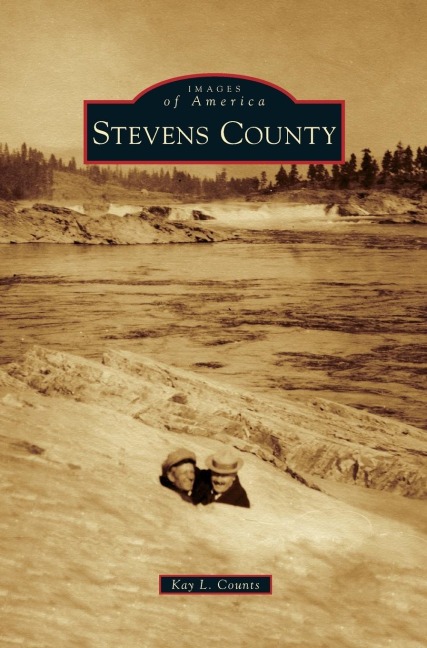
Stevens County - Kay L. Counts
-40% koodiga BOOKS
Saadetis 17-23 tööpäeva jooksul
30-päevane tagastamisõigus
Stevens County was first inhabited by a Paleo-Indian culture that occupied Kettle Falls along the Columbia River for 9,000 years. A gathering place for several Salish Indian tribes, the area called Shonitkwu, meaning "Falls of Boiling Baskets," was an abundant resource for fishing--specifically salmon. Traveling downriver from Kettle Falls to the trading post Spokane House in 1811, Canadian fur trapper Davi ... Täielik kirjeldus
Võib-olla meeldib sulle ka
 TOP
TOP

An African History of Africa: From the Dawn of Humanity to Independence
-40% koodiga BOOKS
Meie tarnija laos
 TOP
TOP

A People's History of the United States
-40% koodiga BOOKS
Meie tarnija laos
TOP

The Notebook: A History of Thinking on Paper
-40% koodiga BOOKS
Meie tarnija laos
TOP

We the People: A History of the U.S. Constitution
-40% koodiga BOOKS
Meie tarnija laos
 TOP
TOP

The Hundred Years' War on Palestine: A History of Settler Colonial Conquest and Resistance
-40% koodiga BOOKS
Meie tarnija laos
TOP
Eichmann in Jerusalem: A Report on the Banality of Evil
-40% koodiga BOOKS
Meie tarnija laos
TOP

A History of the World in 47 Borders: The Stories Behind the Lines on Our Maps
-40% koodiga BOOKS
Meie tarnija laos
 TOP
TOP

From Third World to First: Singapore and the Asian Economic Boom
-40% koodiga BOOKS
Meie tarnija laos
TOP

Bloodlands: Europe Between Hitler and Stalin
-40% koodiga BOOKS
Meie tarnija laos
TOP
The Dawn of Everything: A New History of Humanity
-40% koodiga BOOKS
Meie tarnija laos
TOP


Chip War: The Fight for the World's Most Critical Technology
-40% koodiga BOOKS
Laos
TOP

A Short History of America: From Tea Party to Trump
-40% koodiga BOOKS
Meie tarnija laos
TOP
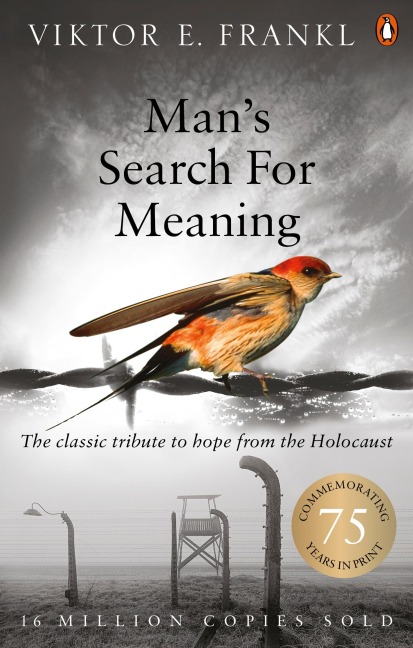
Man's Search For Meaning: The classic tribute to hope from the Holocaust
-40% koodiga BOOKS
Meie tarnija laos
TOP
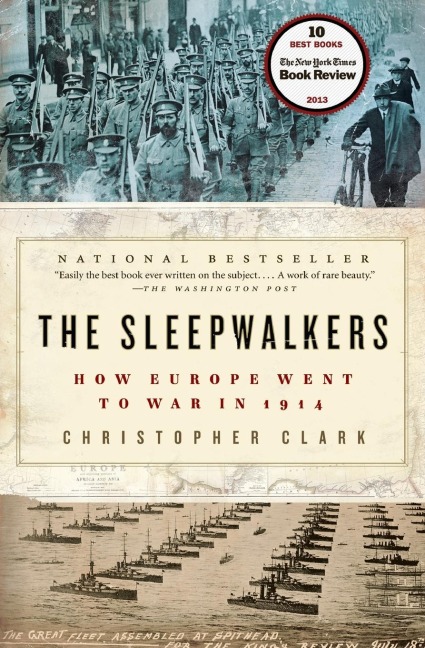
The Sleepwalkers: How Europe Went to War in 1914
-40% koodiga BOOKS
Meie tarnija laos
TOP

In Search Of Berlin: The Story of Europe's Most Important City
-40% koodiga BOOKS
Meie tarnija laos
 TOP
TOP
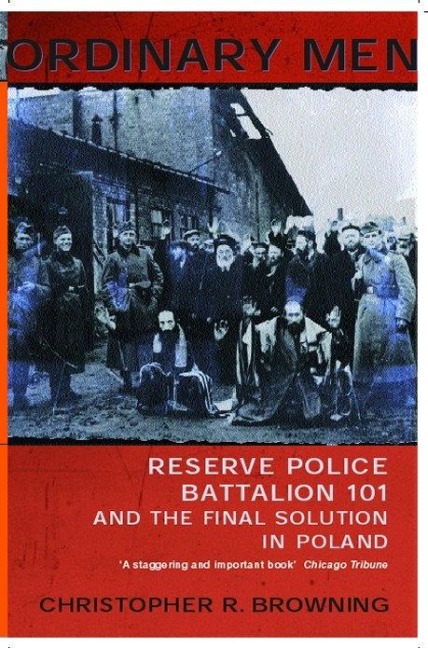
Ordinary Men: Reserve Police Battalion 101 and the Final Solution in Poland
-40% koodiga BOOKS
Meie tarnija laos
Kirjeldus
Stevens County was first inhabited by a Paleo-Indian culture that occupied Kettle Falls along the Columbia River for 9,000 years. A gathering place for several Salish Indian tribes, the area called Shonitkwu, meaning "Falls of Boiling Baskets," was an abundant resource for fishing--specifically salmon. Traveling downriver from Kettle Falls to the trading post Spokane House in 1811, Canadian fur trapper David Thompson described the village as "built of long sheds of 20 feet in breadth" and noted the tribe's ceremonial dances worshiping the arrival of salmon. In 1829, Fort Colville was producing large amounts of food from local crops. And in 1934, work began on the Columbia Dam to generate a much-needed power source for irrigation from the Columbia River. Upon its completion in 1940, the native tribes gathered one last time, not to celebrate the return of the salmon but for a "ceremony of tears" on the salmon's departure.
Lisateave
| Autor | Kay L. Counts |
|---|---|
| Kirjastaja | Arcadia Publishing Library Editions |
| Väljalaskeaasta | 2014 |
| Kaanetüüp | Kõvakaaneline |
| EAN | 9781531675219 |