
Test-Retest: Reliability (Statistics), Extraversion, Correlation and Dependence, Pearson Product- Moment Correlation Coefficient -


-40% koodiga BOOKS
Saadetis 15-21 tööpäeva jooksul
30-päevane tagastamisõigus
Please note that the content of this book primarily consists of articles available from Wikipedia or other free sources online. Test-retest is a statistical method used to determine a test's reliability. The test is performed twice; in the case of a questionnaire, this would mean giving a group of participants the same questionnaire on two different occasions. If the correlation between separate administrat ... Täielik kirjeldus
Võib-olla meeldib sulle ka
 TOP
TOP

The Culture Map: Breaking Through the Invisible Boundaries of Global Business
-40% koodiga BOOKS
Laos
TOP

Atomic Habits: An Easy & Proven Way to Build Good Habits & Break Bad Ones
-40% koodiga BOOKS
Laos
TOP

The Nord Stream Conspiracy: The Inside Story of the Explosions That Shook the World
-40% koodiga BOOKS
Meie tarnija laos
TOP

Women Who Run with the Wolves: Myths and Stories of the Wild Woman Archetype
Clarissa Pinkola Estés, Clarissa Pinkola Estes
-40% koodiga BOOKS
Meie tarnija laos
 TOP
TOP

How Democracies Die
Steven Levitsky, Daniel Ziblatt
-40% koodiga BOOKS
Meie tarnija laos
 TOP
TOP

Prisoners of Geography: Updated 10th Anniversary Edition: Ten Maps That Tell You Everything You Need To Know About Global Politics
-40% koodiga BOOKS
Meie tarnija laos
TOP

Classic Football Shirts
Classic Football Shirts, Rory Smith
-40% koodiga BOOKS
Meie tarnija laos
 TOP
TOP

The Whole-Brain Child: 12 Revolutionary Strategies to Nurture Your Child's Developing Mind
Daniel J. Siegel, Tina Payne Bryson
-40% koodiga BOOKS
Meie tarnija laos
 TOP
TOP

Everything I Know About Love: Now a Major BBC One Series
-40% koodiga BOOKS
Laos
TOP

Braiding Sweetgrass: Indigenous Wisdom, Scientific Knowledge and the Teachings of Plants
-40% koodiga BOOKS
Meie tarnija laos
TOP

The Unabridged Journals of Sylvia Plath
-40% koodiga BOOKS
Meie tarnija laos
TOP

To Kill a Mockingbird. 60th Anniversary Edition
-40% koodiga BOOKS
Meie tarnija laos
 TOP
TOP

The Testaments: The Sequel to The Handmaid's Tale
-40% koodiga BOOKS
Meie tarnija laos
TOP
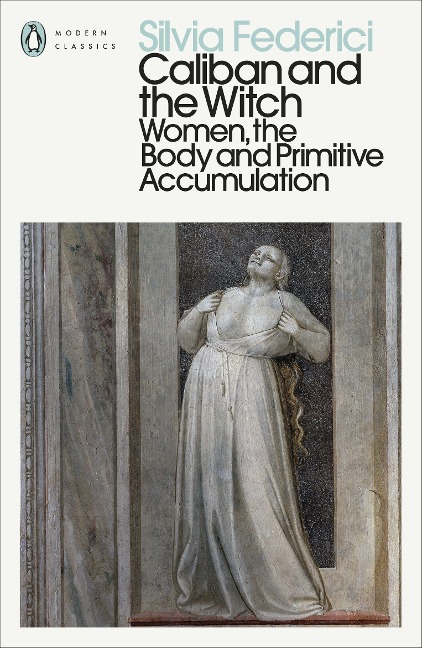
Caliban and the Witch: Women, the Body and Primitive Accumulation
-40% koodiga BOOKS
Meie tarnija laos
Kirjeldus
Lisateave
| Kirjastaja | OmniScriptum |
|---|---|
| Väljalaskeaasta | 2026 |
| Kaanetüüp | Pehme kaanega |
| EAN | 9786131141812 |