
The Human Microbiome -
-40% koodiga BOOKS
30-päevane tagastamisõigus
1. Human Microbiome 2. Human Microbiome: Dynamics and Host Interactions Section II. The Microbiome of the Digestive system 3. Model Systems for Studying the Human Gut Microbiome 4. Oral Microbiome Dysbiosis: Study Methods, Diseases, and Therapeutic Approaches for Restoration 5. Early Diet and the Infant Gut Microbiome: How Breastfeeding and Complementary Feeding Shape the Microbiome 6. Microbiota of the Gut ... Täielik kirjeldus
Võib-olla meeldib sulle ka
 TOP
TOP

The Myth of Normal: Trauma, Illness, and Healing in a Toxic Culture
-40% koodiga BOOKS
Meie tarnija laos
TOP
No Bad Parts: Healing Trauma and Restoring Wholeness with the Internal Family Systems Model
-40% koodiga BOOKS
Meie tarnija laos
TOP
The Body Keeps the Score: Brain, Mind, and Body in the Healing of Trauma
-40% koodiga BOOKS
Meie tarnija laos
 TOP
TOP
Oxford Handbook of Clinical Medicine
Peter Hateley, Iain McGurgan, Ian B. Wilkinson, Tim Raine, Dearbhla Kelly, Kate Wiles
-40% koodiga BOOKS
Meie tarnija laos
TOP
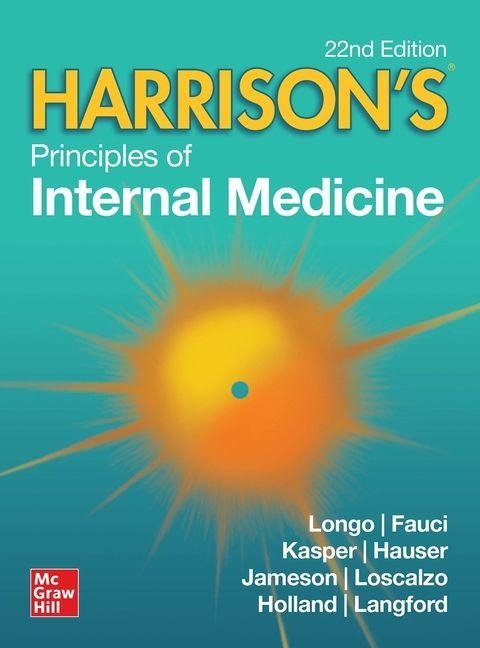
Harrison's Principles of Internal Medicine (Vol.1 & Vol.2)
Stephen Hauser, Joseph Loscalzo, Steven Holland, Dan Longo, J. Larry Jameson, Dennis Kasper, Carol Langford, Anthony Fauci
-40% koodiga BOOKS
Meie tarnija laos
TOP

The Checklist Manifesto: How to Get Things Right
-40% koodiga BOOKS
Meie tarnija laos
 TOP
TOP
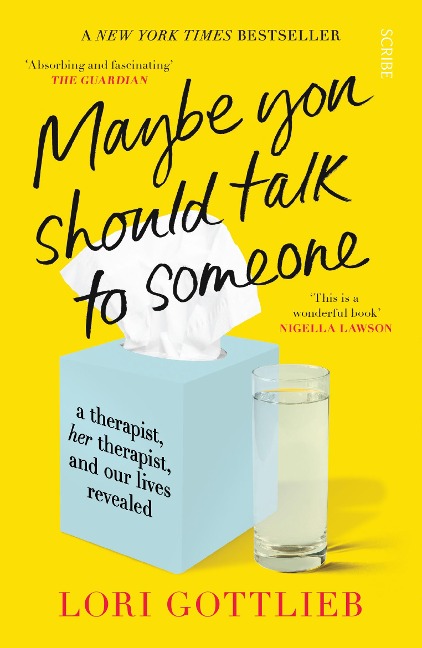
Maybe You Should Talk to Someone: a therapist, her thearapist, and our lives revealed
-40% koodiga BOOKS
Meie tarnija laos
 TOP
TOP
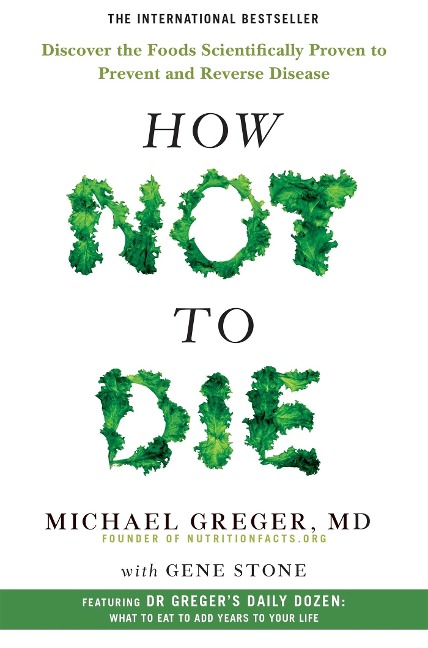
How Not To Die: Discover the foods scientifically proven to prevent and reverse disease
-40% koodiga BOOKS
Meie tarnija laos
TOP
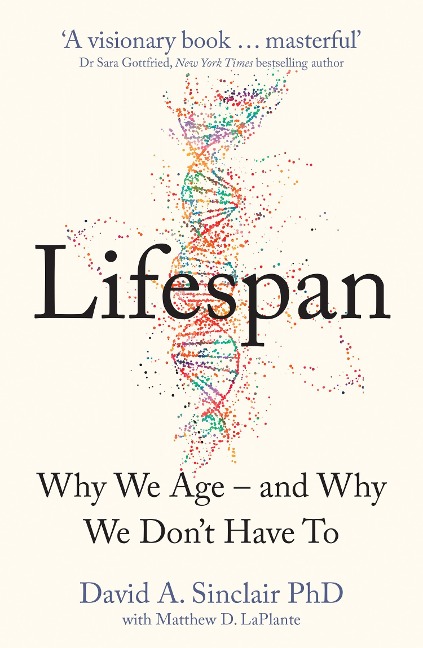
Lifespan: Why We Age - and Why We Don't Have To
-40% koodiga BOOKS
Meie tarnija laos
TOP
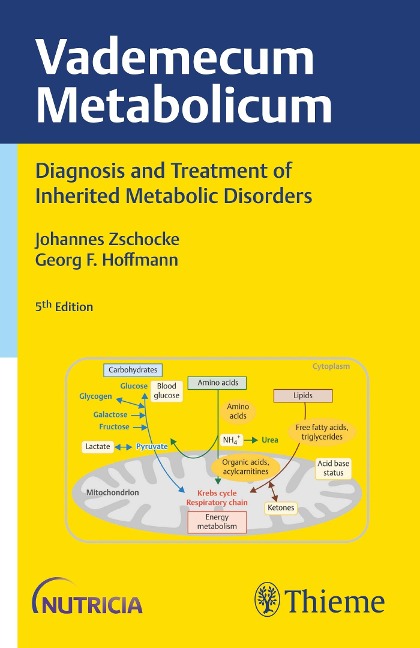
Vademecum Metabolicum: Diagnosis and Treatment of Inborn Errors of Metabolism Forword by William L. Nyhan, San Diego, USA
Johannes Zschocke, Georg F. Hoffmann
-40% koodiga BOOKS
Meie tarnija laos
TOP

Cellular and Molecular Immunology
Sarah Henrickson, Abul K. Abbas, Andrew H. Lichtman, Shiv Pillai
-40% koodiga BOOKS
Meie tarnija laos
TOP
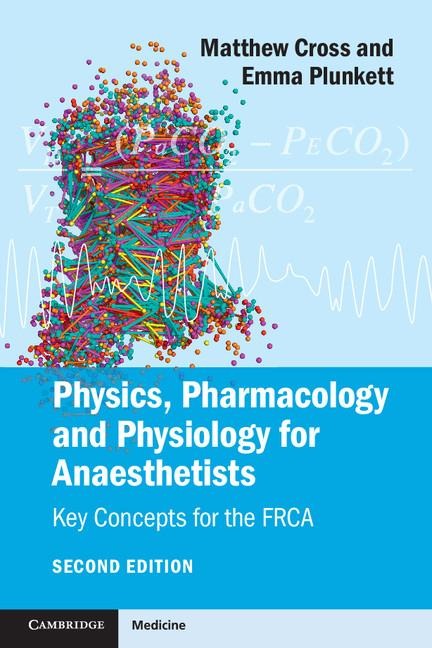
Physics, Pharmacology and Physiology for Anaesthetists: Key Concepts for the FRCA
Matthew E. Cross, Emma V. E. Plunkett
-40% koodiga BOOKS
Meie tarnija laos
TOP
Pocket Guide to Teaching for Clinical Instructors
-40% koodiga BOOKS
Meie tarnija laos
TOP
Oxford Handbook of Critical Care
Andrew Webb, Mervyn Singer, Alice Carter
-40% koodiga BOOKS
Meie tarnija laos
TOP
The Wills Eye Manual: Print + eBook with Multimedia: Office and Emergency Room Diagnosis and Treatment of Eye Disease
-40% koodiga BOOKS
Meie tarnija laos
TOP


Who Deserves Your Love: How to Create Boundaries to Start, Strengthen or End Any Relationship
-40% koodiga BOOKS
Meie tarnija laos
TOP
Vaccinated - dead: Histopathological findings following COVID-19 vaccination
-40% koodiga BOOKS
Meie tarnija laos
Kirjeldus
Lisateave
| Kirjastaja | Taylor & Francis Ltd |
|---|---|
| Väljalaskeaasta | 2026 |
| Kaanetüüp | Kõvakaaneline |
| EAN | 9781041065135 |