
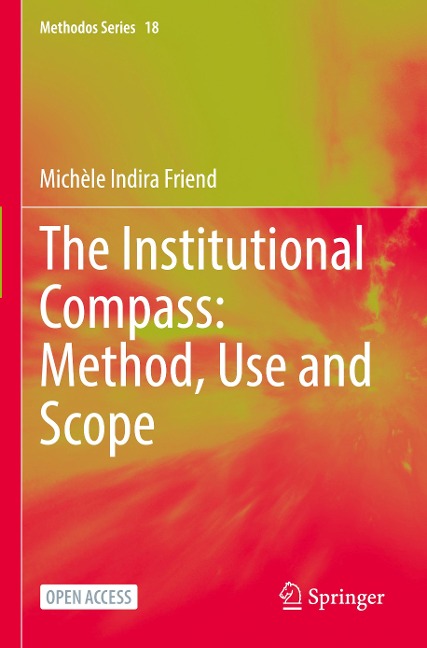
The Institutional Compass: Method, Use and Scope - Michèle Indira Friend
-40% koodiga BOOKS
Saadetis 12-18 tööpäeva jooksul
30-päevane tagastamisõigus
This open access book presents a new generation multi-criteria, multi-stake holder, decision aide, called an "institutional compass". Based on hard data, the compass tells us what quality-direction we are heading in as an institution, region, system or organisation. The quality is not chosen from the usual scalar qualities of: good, neutral and bad. Instead, it is a quality chosen between: harmony, discipli ... Täielik kirjeldus
Võib-olla meeldib sulle ka
 TOP
TOP

The Culture Map: Breaking Through the Invisible Boundaries of Global Business
-40% koodiga BOOKS
Laos
TOP

Atomic Habits: An Easy & Proven Way to Build Good Habits & Break Bad Ones
-40% koodiga BOOKS
Laos
TOP

Women Who Run with the Wolves: Myths and Stories of the Wild Woman Archetype
Clarissa Pinkola Estés, Clarissa Pinkola Estes
-40% koodiga BOOKS
Meie tarnija laos
TOP
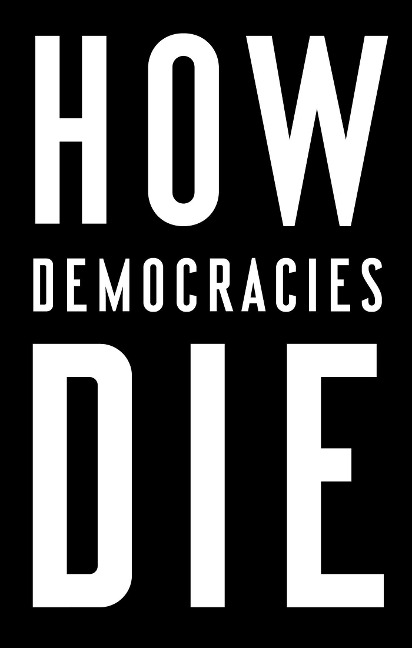
How Democracies Die
Steven Levitsky, Daniel Ziblatt
-40% koodiga BOOKS
Meie tarnija laos
 TOP
TOP
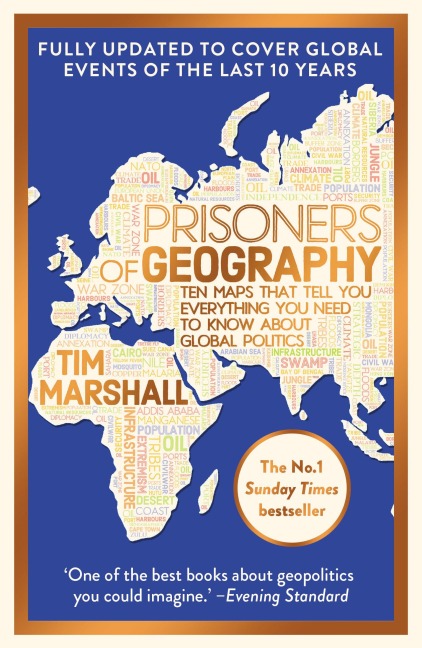
Prisoners of Geography: Updated 10th Anniversary Edition: Ten Maps That Tell You Everything You Need To Know About Global Politics
-40% koodiga BOOKS
Meie tarnija laos
TOP


Classic Football Shirts
Classic Football Shirts, Rory Smith
-40% koodiga BOOKS
Meie tarnija laos
 TOP
TOP

The Whole-Brain Child: 12 Revolutionary Strategies to Nurture Your Child's Developing Mind
Daniel J. Siegel, Tina Payne Bryson
-40% koodiga BOOKS
Meie tarnija laos
 TOP
TOP

Braiding Sweetgrass: Indigenous Wisdom, Scientific Knowledge and the Teachings of Plants
-40% koodiga BOOKS
Meie tarnija laos
TOP
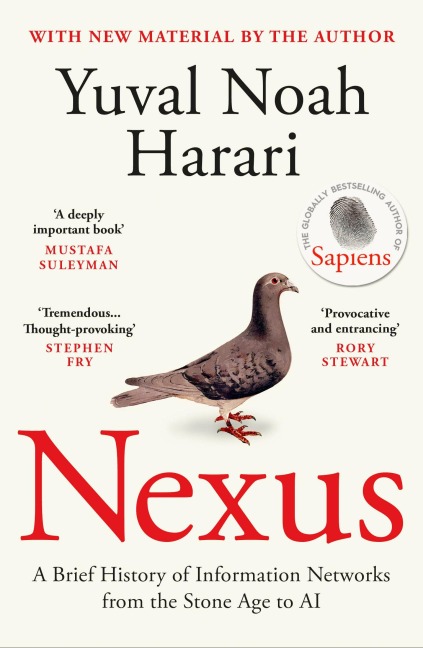
Nexus: A Brief History of Information Networks from the Stone Age to AI
-40% koodiga BOOKS
Meie tarnija laos
 TOP
TOP

To Kill a Mockingbird. 60th Anniversary Edition
-40% koodiga BOOKS
Meie tarnija laos
 TOP
TOP
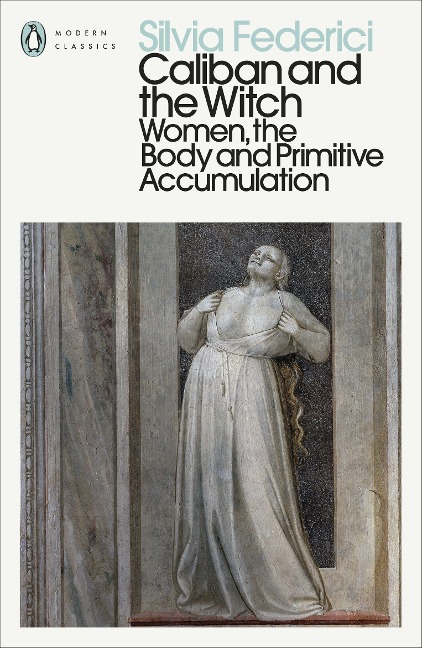
Caliban and the Witch: Women, the Body and Primitive Accumulation
-40% koodiga BOOKS
Meie tarnija laos
 TOP
TOP

The Will to Change: Men, Masculinity, and Love
-40% koodiga BOOKS
Meie tarnija laos
Kirjeldus
This open access book presents a new generation multi-criteria, multi-stake holder, decision aide, called an "institutional compass". Based on hard data, the compass tells us what quality-direction we are heading in as an institution, region, system or organisation. The quality is not chosen from the usual scalar qualities of: good, neutral and bad. Instead, it is a quality chosen between: harmony, discipline and excitement. None is good in and of itself. We need some of each. The compass marks a new generation in four respects. 1. The representation of the data is intuitive and simple to understand, and therefore can be used to communicate and justify policy decisions. 2. Any data can be included, i.e., none is excluded. This makes the compass tailored to particular situations, voices and contexts. 3. The data includes different time horizons and different types of value: monetary, use, social, sentimental, religious, intrinsic, existential... 4. The process of compass construction can be made inclusive at several junctions. An institutional compass can be extended to evaluate products, add normativity to a systems analysis, reflect world-views such as that of ecological economists or function as an accounting system to manage scarce resources. There are four parts to the book. The first part introduces the general ideas behind the compass. In the second part, the author presents the method for constructing the compass. This includes data collection, data analysis and a mathematical formula to aggregate the data into a single holistic reading. In the third part, the author extends the methodology: to incorporate it into systems science, adding a normative and quality-direction dimension, to use it as a non-linear accounting method and more thoroughly to reflect the philosophy of ecological economists to give a real measure of sustainability. In the fourth part, we see three case studies: one for the World Health Organisation, a second is the use of the compass to label products in a shop and the third is as a regional compass for Hauts-de-France. The book ends with philosophical conclusions. Throughout the book, we see tight arguments, refreshing ideas and a thorough treatment of objectivity in decision making.
Lisateave
| Autor | Michèle Indira Friend |
|---|---|
| Kirjastaja | Springer Nature Switzerland |
| Series | Methodos Series |
| Väljalaskeaasta | 2022 |
| Kaanetüüp | Pehme kaanega |
| EAN | 9783031054556 |