
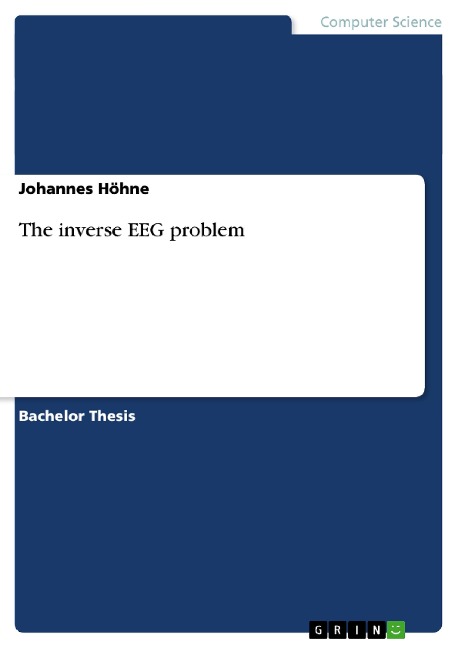
The inverse EEG problem - Johannes Höhne
-40% koodiga BOOKS
Saadetis 12-18 tööpäeva jooksul
30-päevane tagastamisõigus
Bachelor Thesis from the year 2007 in the subject Computer Science - Miscellaneous, grade: 1.0, Free University of Berlin (Institute of Mathematics and Informatics, Department Bioinfomatics), language: English, abstract: Abstract: The inverse EEG problem is a well-studied, ill-posed problem in mathematics and neuroinformatics. Given a record of a limited number of electrodes (e.g. 21) that are placed on sca ... Täielik kirjeldus
Võib-olla meeldib sulle ka
 TOP
TOP

If Anyone Builds It, Everyone Dies: Why Superhuman AI Would Kill Us All
Eliezer Yudkowsky, Nate Soares
-40% koodiga BOOKS
Meie tarnija laos
 TOP
TOP
How To Think About AI: A Guide For The Perplexed
-40% koodiga BOOKS
Meie tarnija laos
TOP

Gödel, Escher, Bach: An Eternal Golden Braid
-40% koodiga BOOKS
Meie tarnija laos
TOP

AI Engineering: Building Applications with Foundation Models
-40% koodiga BOOKS
Meie tarnija laos
TOP
Empire of AI: Dreams and Nightmares in Sam Altman's OpenAI
-40% koodiga BOOKS
Meie tarnija laos
TOP


The Rust Programming Language
Steve Klabnik, Carol Nichols, Chris Krycho
-40% koodiga BOOKS
Meie tarnija laos
TOP
The Art of Game Design: A Book of Lenses
-40% koodiga BOOKS
Meie tarnija laos
TOP

The Pragmatic Programmer: journey to mastery, 20th Anniversary Edition, 2/e: your journey to mastery, 20th Anniversary Edition
-40% koodiga BOOKS
Meie tarnija laos
TOP

Python Crash Course: A Hands-On, Project-Based Introduction to Programming
-40% koodiga BOOKS
Meie tarnija laos
TOP

HBR Guide to Generative AI for Managers
-40% koodiga BOOKS
Meie tarnija laos
TOP
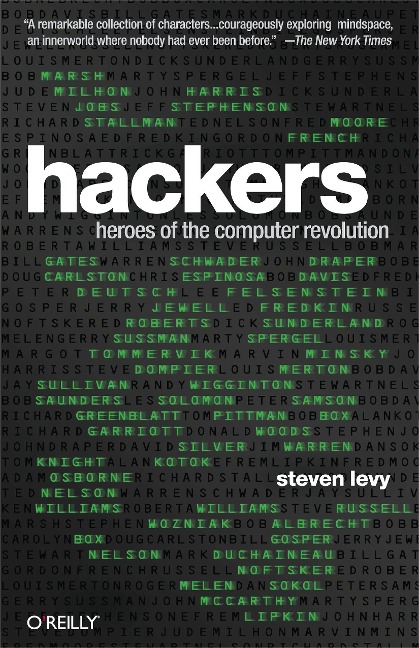
Hackers. 25th Anniversary Edition: Heroes of the Computer Revolution
-40% koodiga BOOKS
Meie tarnija laos
TOP

How Linux Works: What Every Superuser Should Know
-40% koodiga BOOKS
Meie tarnija laos
TOP
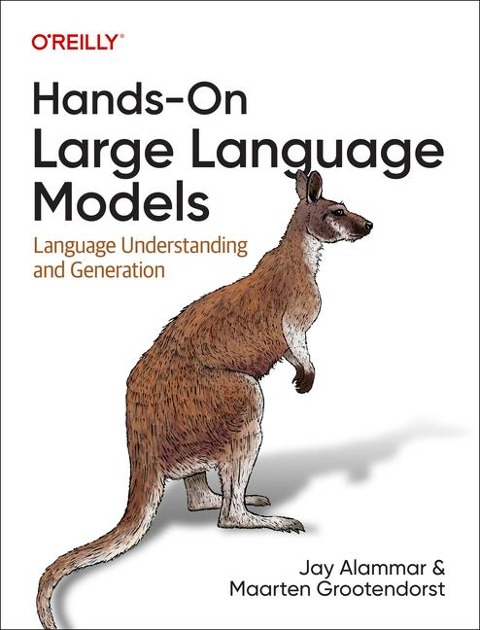
Hands-On Large Language Models: Language Understanding and Generation
Maarten Grootendorst, Jay Alammar
-40% koodiga BOOKS
Meie tarnija laos
TOP

Fundamentals of Software Architecture: A Modern Engineering Approach
-40% koodiga BOOKS
Meie tarnija laos
TOP
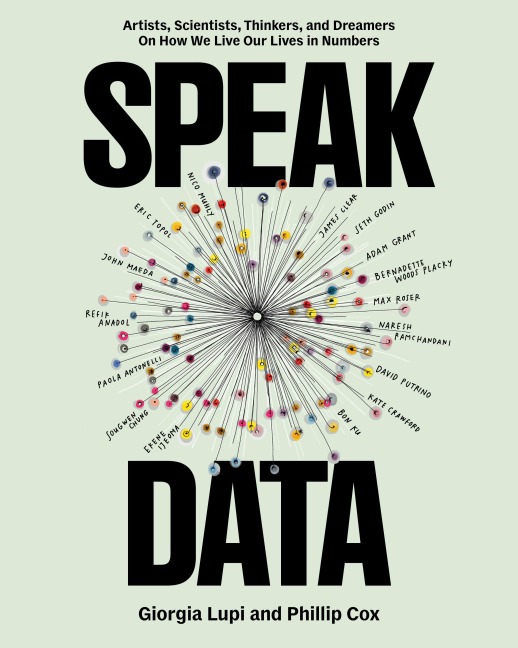
Speak Data: Artists, Scientists, Thinkers, and Dreamers on How We Live Our Lives in Numbers
-40% koodiga BOOKS
Meie tarnija laos
 TOP
TOP

Linux Basics for Hackers, 2nd Edition: Getting Started with Networking, Scripting, and Security in Kali
-40% koodiga BOOKS
Meie tarnija laos
TOP
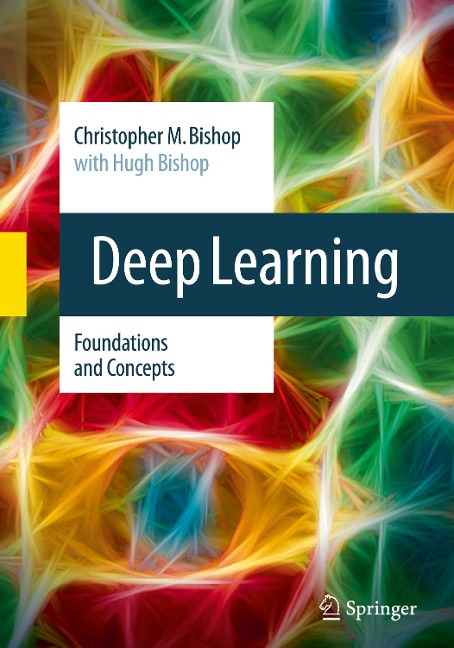
Deep Learning: Foundations and Concepts
Christopher M. Bishop, Hugh Bishop
-40% koodiga BOOKS
Meie tarnija laos
TOP
The Linux Programming Interface: A Linux and UNIX System Programming Handbook
-40% koodiga BOOKS
Meie tarnija laos
Kirjeldus
Bachelor Thesis from the year 2007 in the subject Computer Science - Miscellaneous, grade: 1.0, Free University of Berlin (Institute of Mathematics and Informatics, Department Bioinfomatics), language: English, abstract: Abstract: The inverse EEG problem is a well-studied, ill-posed problem in mathematics and neuroinformatics. Given a record of a limited number of electrodes (e.g. 21) that are placed on scalp, it is the task to estimate a three dimensional distribution of neural currents in the brain. The actual thesis deals with this problem and proposes a propabilistic Bayesian approach that assumes the distribution of neural currents to be heterogeneous - active and inactive regions in the brain are expected. This can be formalized with a mixture distribution. Furthermore, an expectation-maximization (EM) algorithm is presented that performs simultaneous classification and computation of neural currents, given an EEG measurement. Zusammenfassung: Diese Bachelorarbeit thematisiert das inverse EEG Problem. Dies ist ein umfangreich beschriebenes, schlecht gestelltes mathematisches Problem in der medizinischen Visualisierung. Bei einer EEG-Messung werden eine bestimmte Anzahl (z.B. 21) Elektroden an der Kopfhaut angebracht und elektrische Ströme dort detektiert. Das hier beschriebene Problem besteht darin, aus dieser Messung eine dreidimensionales Verteilung neuronaler Gehirnströme zu rekonstruieren. Es wird ein propabilistischer Bayesianischer Ansatz vorgestellt, um dieses Problem zu lösen. Dabei wird angenommen, dass die Verteilung neuronaler Ströme heterogen ist - es gibt aktive und nicht-aktive Bereiche im Gehirn. Dies wird mathematisch mit einer Mischverteilung formalisiert. Dieser Ansatz ermöglicht Gehirnströme sowohl zu berechnen, also auch zu klassifizieren. Ein entsprechender EM Algorithmus, der dies simultan durchführt, wird vorgestellt.
Lisateave
| Autor | Johannes Höhne |
|---|---|
| Kirjastaja | GRIN Verlag |
| Väljalaskeaasta | 2008 |
| Kaanetüüp | Pehme kaanega |
| EAN | 9783640185238 |