
The River Will Save Us - Linda Simone

-40% koodiga BOOKS
Saadetis 10-16 tööpäeva jooksul
30-päevane tagastamisõigus
Linda Simone’s timely collection, The River Will Save Us, explores the distinctly American question: Where are we from, and who are we if where we live isn’t our hometown? Using her own experiences and those of a Japanese family whose lives in Texas were upended by Pearl Harbor, Simone’s luminous poems both mourn— “how hard to belong where you aren’t from”—and offer hope— “Who can say where muddy paths / ma ... Täielik kirjeldus
Võib-olla meeldib sulle ka
 TOP
TOP

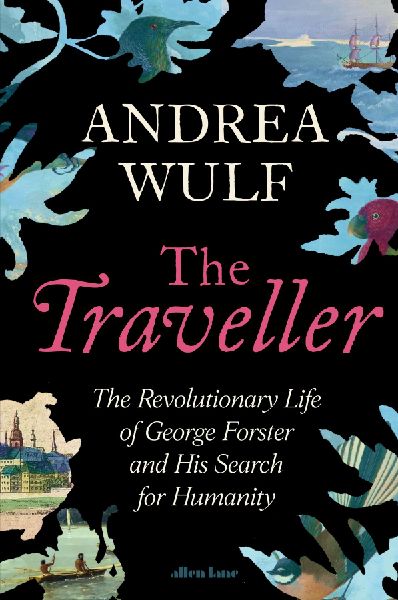
The Traveller (Traveler): The Revolutionary Life of George Forster and his Search for Humanity
-40% koodiga BOOKS
Meie tarnija laos

 TOP
TOP

Devotions: The Selected Poems of Mary Oliver
-40% koodiga BOOKS
Meie tarnija laos

 TOP
TOP

The Let Them Theory: A Life-Changing Tool That Millions of People Cant Stop Talking About
-40% koodiga BOOKS
Meie tarnija laos
 TOP
TOP

Kitchen Confidential: Adventures in the Culinary Underbelly
-40% koodiga BOOKS
Meie tarnija laos
TOP
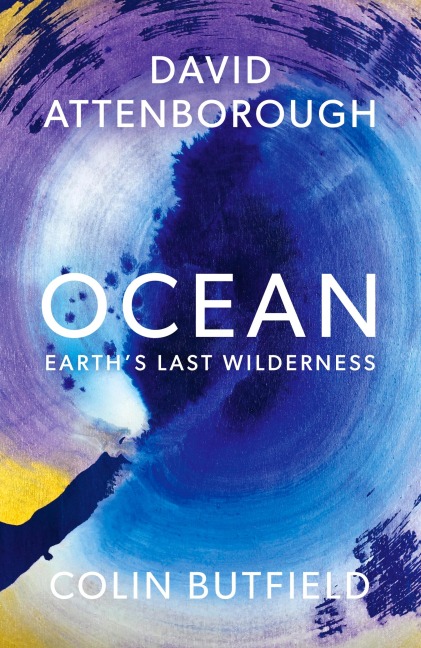
Ocean: Earth's Last Wilderness
David Attenborough, Colin Butfield
-40% koodiga BOOKS
Meie tarnija laos

 TOP
TOP

"Surely You're Joking, Mr. Feynman!": Adventures of a Curious Character
-40% koodiga BOOKS
Meie tarnija laos
TOP

Kitchen Confidential. 25th Anniversary Edition
-40% koodiga BOOKS
Meie tarnija laos
 TOP
TOP

We Did Ok, Kid: The Sunday Times bestselling memoir
-40% koodiga BOOKS
Meie tarnija laos

Kirjeldus
Lisateave
| Autor | Linda Simone |
|---|---|
| Kirjastaja | Amazon Digital Services LLC - KDP Print US |
| Väljalaskeaasta | 2018 |
| Kaanetüüp | Pehme kaanega |
| EAN | 9781949229073 |