
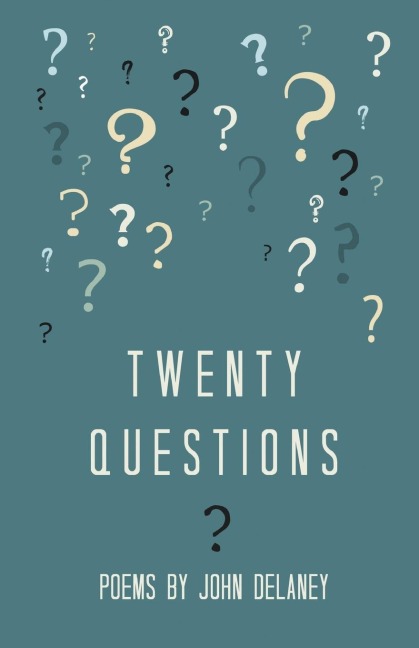
Twenty Questions - John Delaney
-40% koodiga BOOKS
Saadetis 15-21 tööpäeva jooksul
30-päevane tagastamisõigus
Review How refreshing, in the age of open form and the conversationally informal poem, to find a contemporary poet who brings new life to the short, tightly woven rhymed lyric! That’s the gift John Delaney gives in Twenty Questions. Not all of his poems are strict in their schemes, but many are, and they’re wonderfully succinct, verbally playful, and often very funny, as in the villanelle “Fashion Designer” ... Täielik kirjeldus
Võib-olla meeldib sulle ka
 TOP
TOP

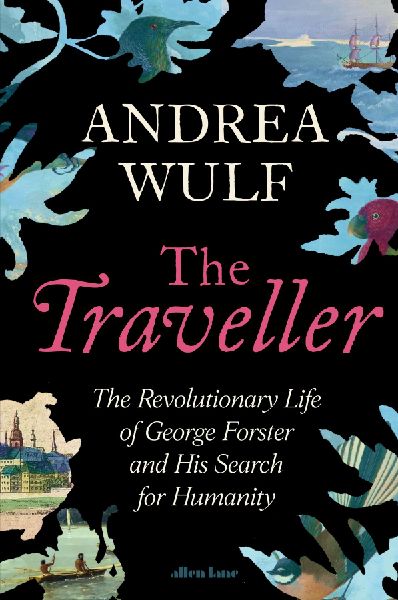
The Traveller (Traveler): The Revolutionary Life of George Forster and his Search for Humanity
-40% koodiga BOOKS
Meie tarnija laos

 TOP
TOP

Devotions: The Selected Poems of Mary Oliver
-40% koodiga BOOKS
Meie tarnija laos
 TOP
TOP

The Let Them Theory: A Life-Changing Tool That Millions of People Cant Stop Talking About
-40% koodiga BOOKS
Meie tarnija laos
 TOP
TOP
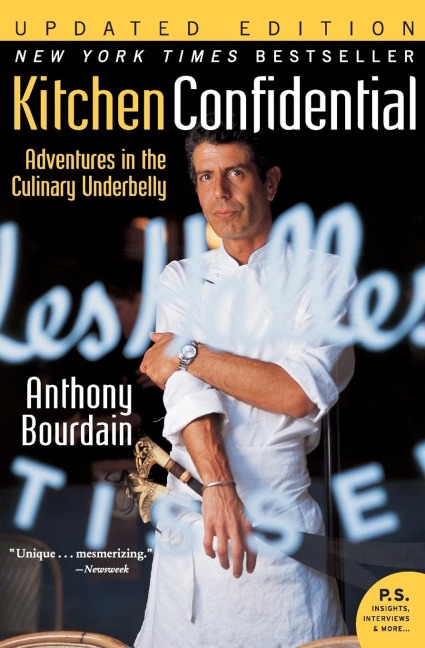
Kitchen Confidential: Adventures in the Culinary Underbelly
-40% koodiga BOOKS
Meie tarnija laos
TOP

"Surely You're Joking, Mr. Feynman!": Adventures of a Curious Character
-40% koodiga BOOKS
Meie tarnija laos
TOP
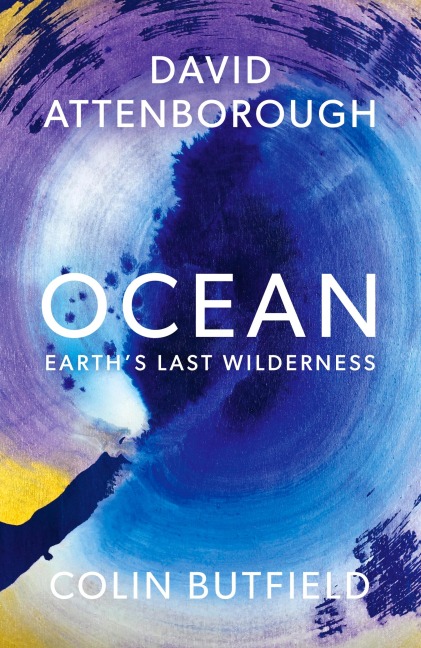
Ocean: Earth's Last Wilderness
David Attenborough, Colin Butfield
-40% koodiga BOOKS
Meie tarnija laos

 TOP
TOP
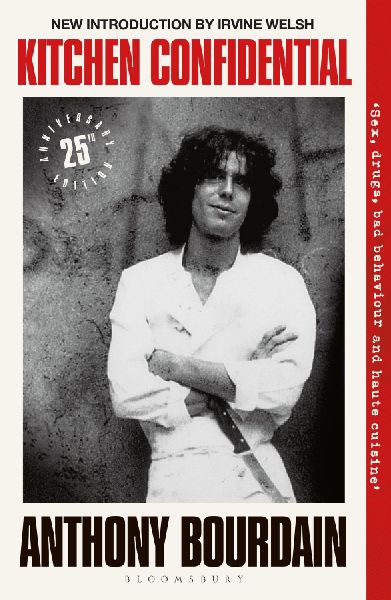
Kitchen Confidential. 25th Anniversary Edition
-40% koodiga BOOKS
Meie tarnija laos
Kirjeldus
Lisateave
| Autor | John Delaney |
|---|---|
| Kirjastaja | Finishing Line Press |
| Väljalaskeaasta | 2019 |
| Kaanetüüp | Pehme kaanega |
| EAN | 9781635349696 |