
Uneasy Virtue - Julia Driver

-40% koodiga BOOKS
Saadetis 15-21 tööpäeva jooksul
30-päevane tagastamisõigus
The predominant view of moral virtue can be traced back to Aristotle. He believed that moral virtue must involve intellectual excellence. To have moral virtue one must have practical wisdom - the ability to deliberate well and to see what is morally relevant in a given context. Julia Driver challenges this classical theory of virtue, arguing that it fails to take into account virtues which do seem to involv ... Täielik kirjeldus
Võib-olla meeldib sulle ka
 TOP
TOP

How Not to Be Wrong: The Power of Mathematical Thinking
-40% koodiga BOOKS
Meie tarnija laos
TOP

The Power of Now: A Guide to Spiritual Enlightenment
-40% koodiga BOOKS
Laos
TOP

The Holy Bible - King James Version (KJV): Popular Gift & Award Black Leatherette Edition
-40% koodiga BOOKS
Meie tarnija laos
 TOP
TOP
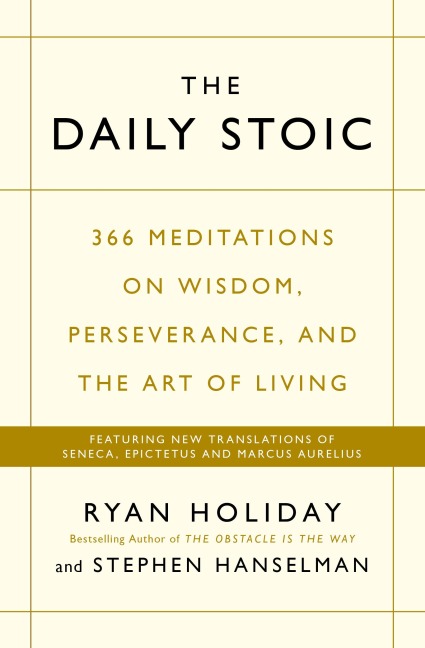
The Daily Stoic: 366 Meditations on Wisdom, Perseverance, and the Art of Living: Featuring new translations of Seneca, Epictetus, and Marcus Aurelius
Stephen Hanselman, Ryan Holiday
-40% koodiga BOOKS
Laos
TOP

Ikigai: The Japanese secret to a long and happy life
Francesc Miralles, Héctor García
-40% koodiga BOOKS
Laos
TOP
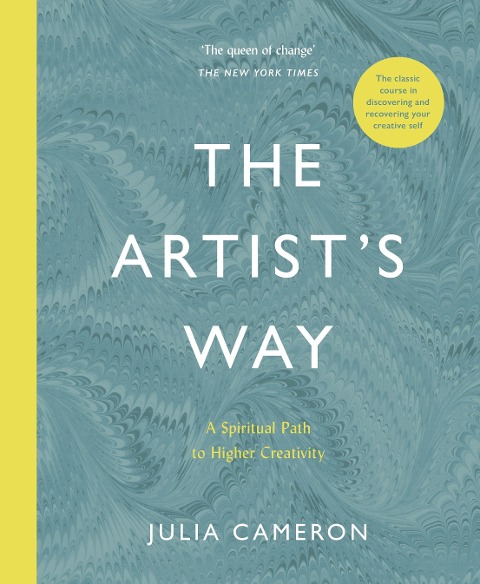
The Artist's Way: A Spiritual Path to Higher Creativity
-40% koodiga BOOKS
Meie tarnija laos
 TOP
TOP


Original Sin: The Genetics of Wrongdoing, the Problem of Blame and the Future of Forgiveness
-40% koodiga BOOKS
Meie tarnija laos
TOP

Antifragile: Things That Gain from Disorder
-40% koodiga BOOKS
Meie tarnija laos

 TOP
TOP

The Café on the Edge of the World: A Story About the Meaning of Life
-40% koodiga BOOKS
Meie tarnija laos
TOP
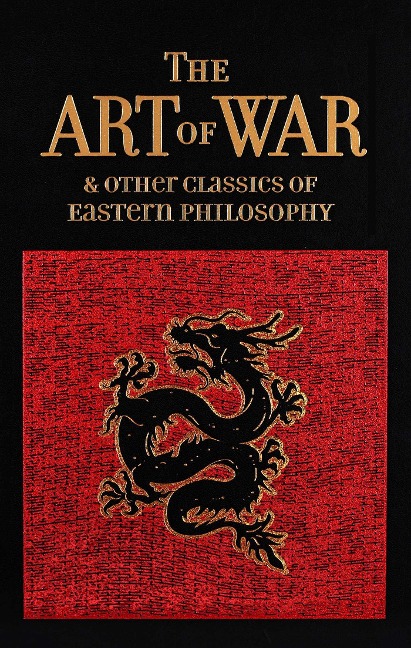
The Art of War & Other Classics of Eastern Philosophy
Mencius, Lao-Tzu, Confucius, Sun Tzu
-40% koodiga BOOKS
Meie tarnija laos
 TOP
TOP
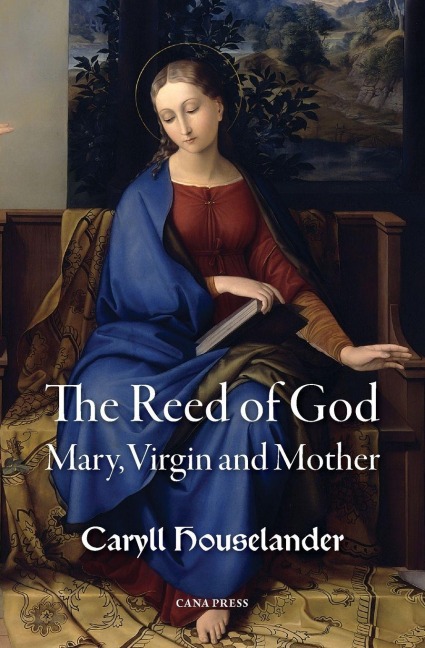
The Reed of God: Mary, Virgin and Mother
-40% koodiga BOOKS
Meie tarnija laos

 TOP
TOP
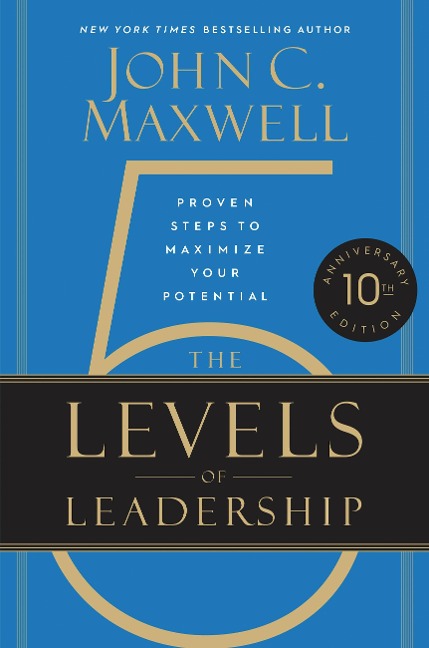
The 5 Levels of Leadership: Proven Steps to Maximize Your Potential
-40% koodiga BOOKS
Meie tarnija laos
TOP
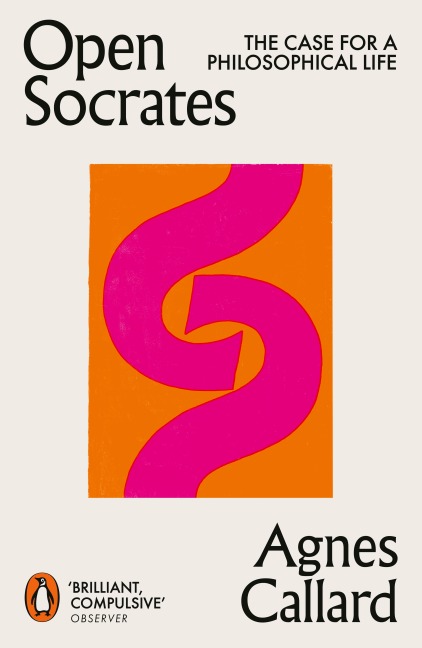
Open Socrates: The Case for a Philosophical Life
-40% koodiga BOOKS
Meie tarnija laos
Kirjeldus
The predominant view of moral virtue can be traced back to Aristotle. He believed that moral virtue must involve intellectual excellence. To have moral virtue one must have practical wisdom - the ability to deliberate well and to see what is morally relevant in a given context. Julia Driver challenges this classical theory of virtue, arguing that it fails to take into account virtues which do seem to involve ignorance or epistemic defect. Some 'virtues of ignorance' are counterexamples to accounts of virtue which hold that moral virtue must involve practical wisdom. Modesty, for example, is generally considered to be a virtue even though the modest person may be making an inaccurate assessment of his or her accomplishments. Driver argues that we should abandon the highly intellectualist view of virtue and instead adopt a consequentialist perspective which holds that virtue is simply a character trait which systematically produces good consequences.
Lisateave
| Autor | Julia Driver |
|---|---|
| Kirjastaja | Cambridge University Press |
| Väljalaskeaasta | 2006 |
| Kaanetüüp | Pehme kaanega |
| EAN | 9780521034067 |