
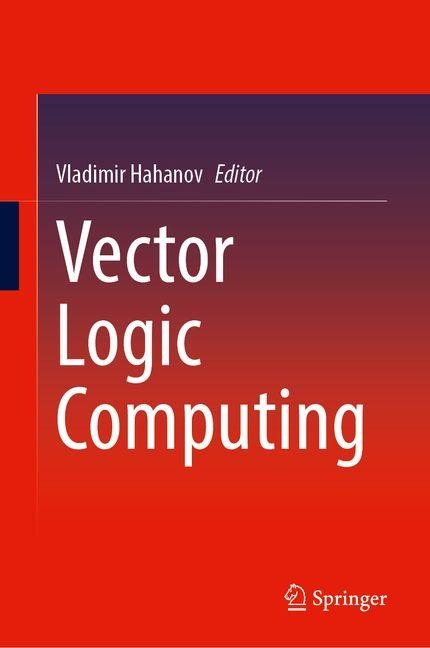
Vector Logic Computing - Vladimir Hahanov
-25% koodiga BOOKS
30-päevane tagastamisõigus
This book creates a non-processor economy vector logic in-memory computing based on read-write transactions on logical vectors, truth tables, and matrices. In-memory vector logic is a harmonic relationship between a model and an algorithm that aims to reduce time and energy in modeling for simulation by using additional space and matter. Vector logic is an ideal form of representation of functions and struc ... Täielik kirjeldus
Võib-olla meeldib sulle ka


 TOP
TOP

Flowers For Algernon: A Modern Literary Classic
-25% koodiga BOOKS
Meie tarnija laos
TOP

Foundations of Flavor: The Noma Guide to Fermentation: Including Step-By-Step Information on Making and Cooking with: Koji, Kombuchas, Shoyus, Misos, Vinegars, Garums, Lacto-Ferments and black Fruits Vegetables
-25% koodiga BOOKS
Meie tarnija laos
TOP

Nucleo Boards Programming with the STM32CubeIDE: Hands-on in more than 50 projects
-25% koodiga BOOKS
Meie tarnija laos
TOP

Make: Electronics: Learning by Discovery: A hands-on primer for the new electronics enthusiast
-25% koodiga BOOKS
Meie tarnija laos
TOP

Digital Design and Computer Architecture, RISC-V Edition
-25% koodiga BOOKS
Meie tarnija laos
TOP
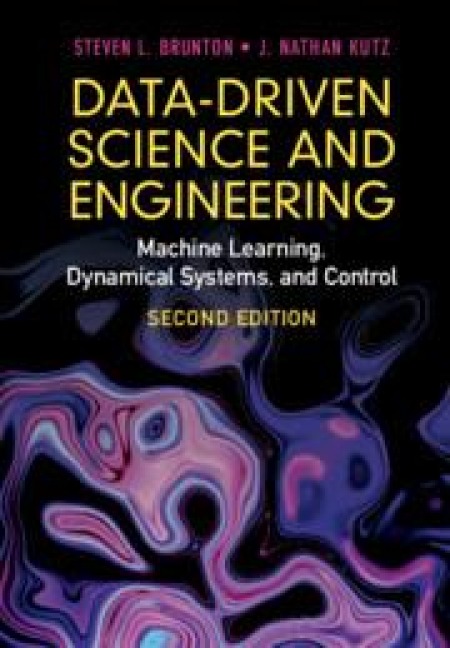
Data-Driven Science and Engineering: Machine Learning, Dynamical Systems, and Control
Steven L. Brunton, J. Nathan Kutz
-25% koodiga BOOKS
Meie tarnija laos
TOP
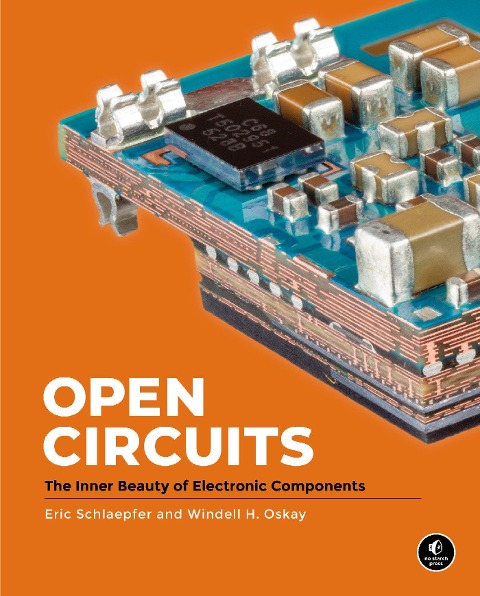
Open Circuits: The Inner Beauty of Electronic Components
Eric Schlaepfer, Windell Oskay
-25% koodiga BOOKS
Meie tarnija laos
TOP

Fundamentals of Aerodynamics ISE
Christopher Cadou, John D. Anderson
-25% koodiga BOOKS
Meie tarnija laos
TOP

Black Holes: The Key to Understanding the Universe
-25% koodiga BOOKS
Meie tarnija laos
TOP

Mastering the Arduino Uno R4: Programming and Projects for the Minima and WiFi
-25% koodiga BOOKS
Meie tarnija laos
TOP
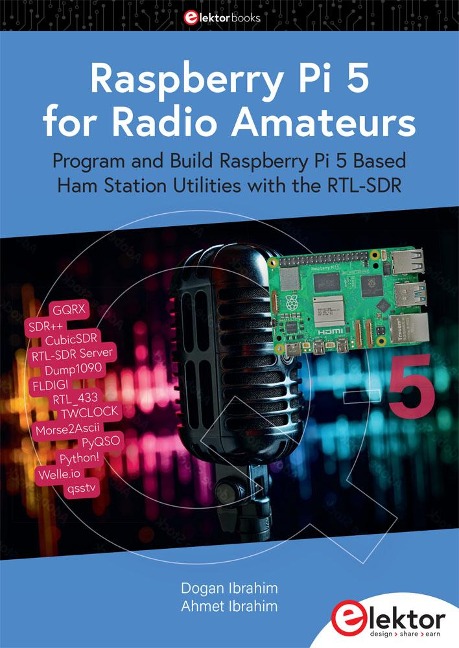
Raspberry Pi 5 for Radio Amateurs: Program and Build Raspberry Pi 5 Based Ham Station Utilities with the RTL-SDR
-25% koodiga BOOKS
Meie tarnija laos
TOP
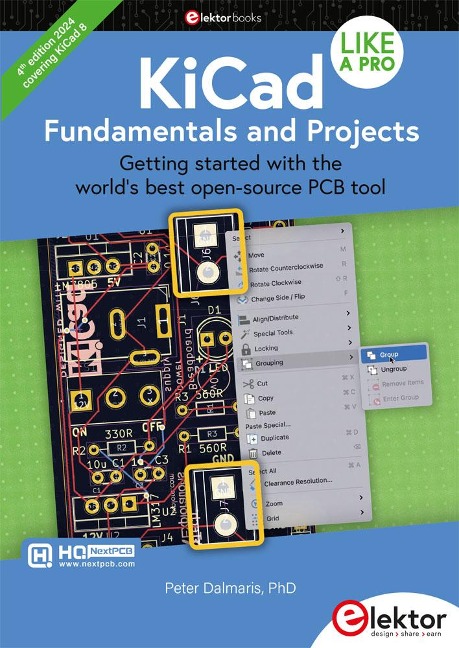
KiCad Like A Pro - Fundamentals and Projects: Getting started with the world's best open-source PCB tool
-25% koodiga BOOKS
Meie tarnija laos
TOP
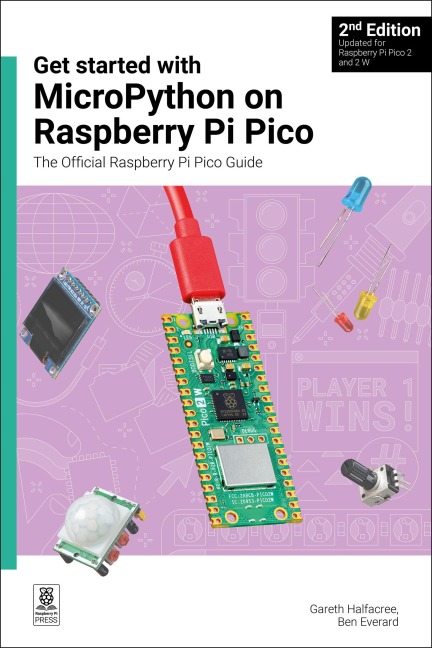
Get started with MicroPython on Raspberry Pi Pico: The Official Raspberry Pi Pico Guide
-25% koodiga BOOKS
Meie tarnija laos
TOP
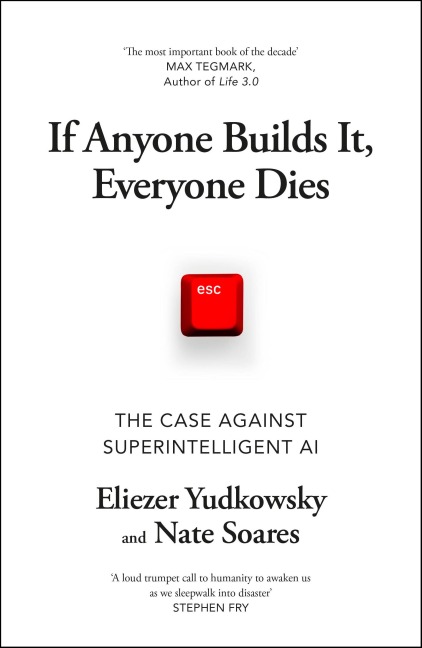
If Anyone Builds It, Everyone Dies: The Case Against Superintelligent AI
Eliezer Yudkowsky, Nate Soares
-25% koodiga BOOKS
Meie tarnija laos
TOP


We Are Not Machines: The Fight for the Future of Work
-25% koodiga BOOKS
Meie tarnija laos
TOP
Professional SMD Assembly: Practical Low-Cost Methods for Reliable PCB Production
-25% koodiga BOOKS
Meie tarnija laos
Kirjeldus
This book creates a non-processor economy vector logic in-memory computing based on read-write transactions on logical vectors, truth tables, and matrices. In-memory vector logic is a harmonic relationship between a model and an algorithm that aims to reduce time and energy in modeling for simulation by using additional space and matter. Vector logic is an ideal form of representation of functions and structures for modelling and simulating social and physical processes. Modeling without simulation is a prompt-computing for creating a comprehensive testing map of any functionality or structure on a logical vector. Intelligent computing is here the integration of classical and artificial intelligence mechanisms for modeling and simulation, using vector-logical and matrix models to process functions and structures. The book first discusses the development of smart vector logic data structures to reduce the computational complexity of simulation algorithms. Then it explores the creation of mechanisms for vector logic modeling and testing, leveraging truth tables and matrices built on a logical vector. After that, novelty goes on to cover the following: vector testing of logic circuits by simulating faults as addresses of logical vector bits; vector testing of graph structures by simulating transition faults as truth table addresses, and vector logic in-memory computing of unitary-encoded big data as truth table addresses. The book then explores the logical vector modeling for the simulation of social processes via unitary pattern encoding on the universe primitives. The goal of cyber-social vector logic computing is energy-effective monitoring and moral management of cyber-social processes and phenomena. Vector logic is a functional and structural relationship for in-memory computing, which forms an exponentially redundant data structure in memory to minimize its processing time and energy. The original vector logic mechanisms are implemented in the MOSI cloud service – Modeling for Simulation, written in Python, for simulating good-value states and faults, as addresses for logical circuits, functionalities, and structures. The book can be helpful for specialists in the field of big data prompt computing, including social and physical processes, as well as for engineers involved in testing digital GL, RTL, and system-level projects, automatic test generation, and good-value and fault address simulation. The theory and practice of vector-logical computing, algorithms, models, mechanisms, and codes are an original development to create energy- and time-saving processor-less new computing in memory.
Lisateave
| Autor | Vladimir Hahanov |
|---|---|
| Kirjastaja | Springer-Verlag GmbH |
| Väljalaskeaasta | 2026 |
| Kaanetüüp | Kõvakaaneline |
| EAN | 9783032070005 |