
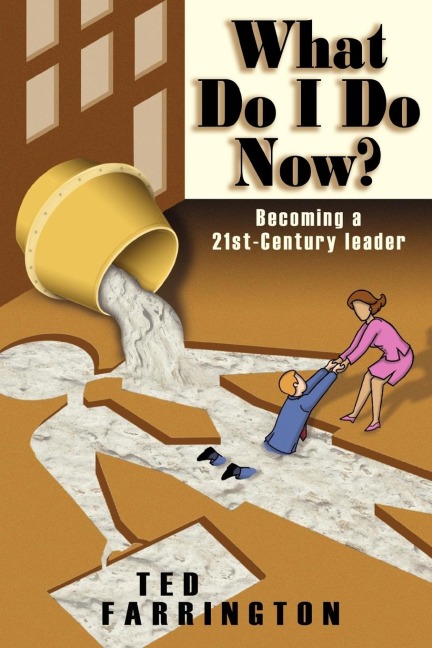
What Do I Do Now? - Ted Farrington
-40% koodiga BOOKS
Saadetis 10-16 tööpäeva jooksul
30-päevane tagastamisõigus
Product Description Successful Leadership Means More than Rising to the Top Author Creatively Compares Two Different Approaches to Management NEW HOPE, Pa. - Even top players in the competitive business world can demonstrate flawed leadership abilities. In his new book, What Do I Do Now? Becoming a 21st Century Leader (now available through AuthorHouse), Ted Farrington, Ph.D., effectively illuminates the di ... Täielik kirjeldus
Võib-olla meeldib sulle ka
 TOP
TOP

Unreasonable Hospitality: The Remarkable Power of Giving People More Than They Expect
-40% koodiga BOOKS
Meie tarnija laos
 TOP
TOP
Never Split the Difference: Negotiating as if Your Life Depended on It
-40% koodiga BOOKS
Laos
TOP
The 7 Habits of Highly Effective People. 30th Anniversary Edition: Powerful Lessons in Personal Change
Jim Collins, Sean Covey, Stephen R. Covey
-40% koodiga BOOKS
Laos
TOP

Atomic Habits: An Easy & Proven Way to Build Good Habits & Break Bad Ones
-40% koodiga BOOKS
Meie tarnija laos
TOP
Radical Candor: Be a Kick-Ass Boss Without Losing Your Humanity
-40% koodiga BOOKS
Meie tarnija laos
TOP

The Psychology of Money: Timeless Lessons on Wealth, Greed, and Happiness
-40% koodiga BOOKS
Laos
TOP


The Infinity Machine: Demis Hassabis, DeepMind, and the Quest for Superintelligence
-40% koodiga BOOKS
Meie tarnija laos
TOP
Legacy: What The All Blacks Can Teach Us About The Business Of Life
-40% koodiga BOOKS
Meie tarnija laos
TOP

Vienna: How the City of Ideas Created the Modern World
-40% koodiga BOOKS
Meie tarnija laos
TOP

1873: The Rothschilds, the First Great Depression, and the Making of the Modern World
-40% koodiga BOOKS
Meie tarnija laos
TOP
The Lean Startup: How Today's Entrepreneurs Use Continuous Innovation to Create Radically Successful Businesses
-40% koodiga BOOKS
Laos
TOP
Radical Candor: Be a Kick-Ass Boss Without Losing Your Humanity
-40% koodiga BOOKS
Meie tarnija laos
TOP

Co-Intelligence: Living and Working with AI
-40% koodiga BOOKS
Meie tarnija laos
TOP
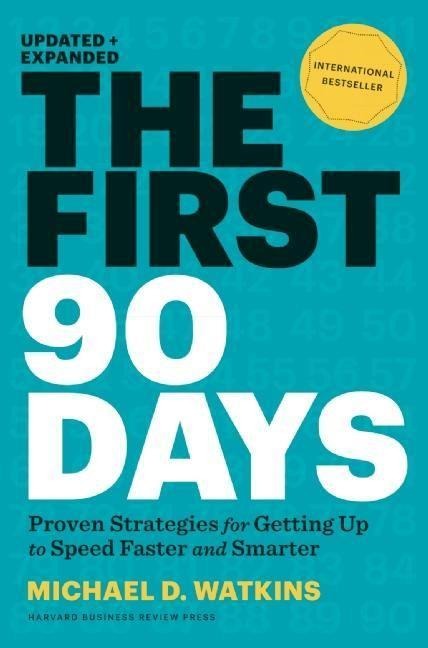
The First 90 Days: Proven Straegies for Getting up to Speed faster and smarter
-40% koodiga BOOKS
Meie tarnija laos
TOP
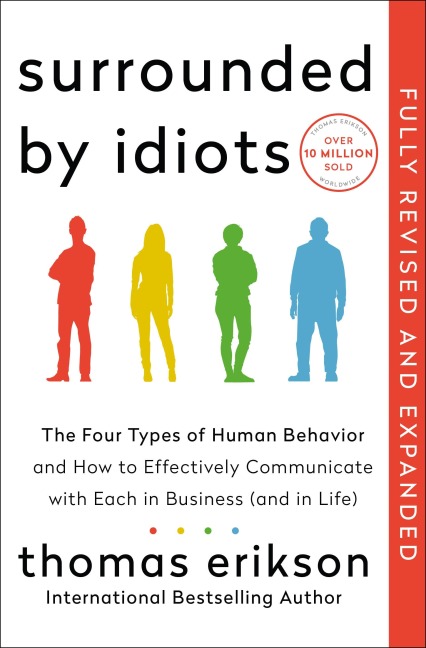
Surrounded by Idiots Revised & Expanded Edition: The Four Types of Human Behavior and How to Effectively Communicate with Each in Business (and in Life)
-40% koodiga BOOKS
Meie tarnija laos
TOP
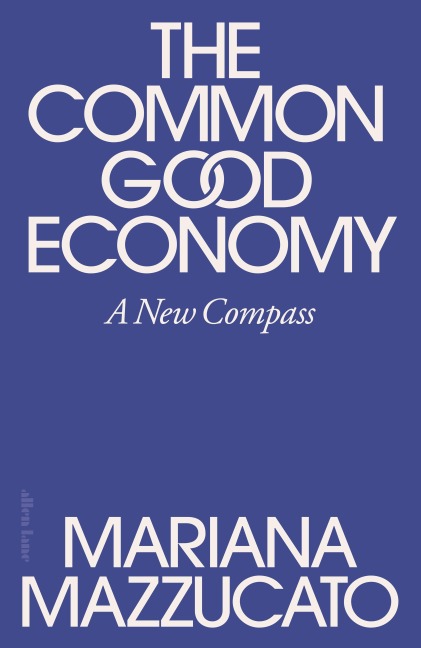
The Common Good Economy: A New Compass
-40% koodiga BOOKS
Meie tarnija laos
TOP

Berkshire Hathaway Letters to Shareholders: 1965-2024
-40% koodiga BOOKS
Meie tarnija laos
TOP

One Up On Wall Street: How To Use What You Already Know To Make Money in the Market
-40% koodiga BOOKS
Meie tarnija laos
Kirjeldus
Lisateave
| Autor | Ted Farrington |
|---|---|
| Kirjastaja | AuthorHouse |
| Väljalaskeaasta | 2005 |
| Kaanetüüp | Pehme kaanega |
| EAN | 9781420878646 |