
Planeeritud majandussüsteemid
Planeeritud majandussüsteemid käsitlevad erinevaid viise, kuidas ühiskonnad organiseerivad oma majandustegevust ja ressursside jaotust. Need süsteemid pakuvad sügavat arusaama majanduse toimimisest, olles vajalikud tudengitele, õpikogemuste otsijatele ja professoritele, kes soovivad mõista majandusteooriat ja -praktikat. See kategooria sisaldab murrangulisi teoseid, mis käsitlevad planeeritud majandust ja selle mõju kodanikele ning laiemale ühiskonnale.
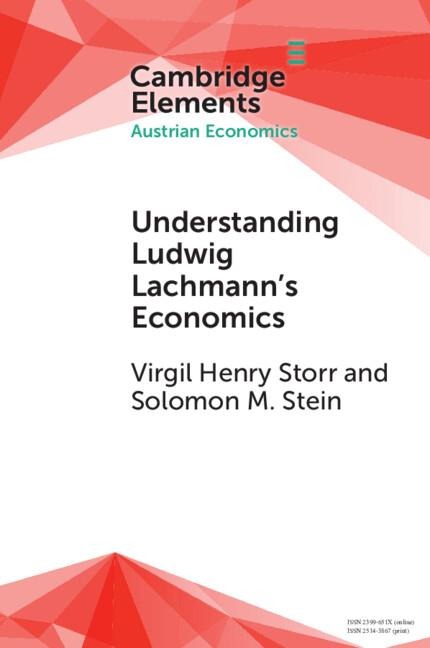
Understanding Ludwig Lachmanns Economics
Virgil Henry Storr, Solomon M Stein
-40% koodiga BOOKS
Meie tarnija laos
Understanding Ludwig Lachmann's Economics
Virgil Henry Storr, Solomon M Stein
-40% koodiga BOOKS
Meie tarnija laos
Kategooria "Planeeritud majandussüsteemid"
Planned economic systems play a crucial role in understanding the diverse approaches nations take to manage their economies. These systems, characterized by centralized control and government planning, differ significantly from market-driven economies. They are designed to meet specific social and economic goals, often prioritizing equitable resource distribution and stability over profit maximization. As a result, this category appeals to students, researchers, and professionals interested in economics, social sciences, and public policy.
The historical context of planned economic systems dates back to the early 20th century, particularly during times of war and economic crisis. Countries sought to mobilize resources efficiently and redirect efforts towards rebuilding or defending their nations. This evolution has led to various models, from the Soviet Union's command economy to contemporary examples in some developing nations, each showcasing unique adaptations to global challenges.
Readers diving into this category will explore both the mechanisms and implications of planned economies. They will gain insights into how such systems can lead to social welfare improvements, though they may also come with challenges such as inefficiency and lack of innovation. This nuanced understanding is essential for anyone looking to grasp the balance between economic freedom and state intervention.
Authors and publishers contributing to this field often include esteemed economists and academic institutions that provide well-researched, critical perspectives on planned economic systems. Their works not only enrich the literature but also encourage dialogue on the future of economic planning in an increasingly interconnected world.